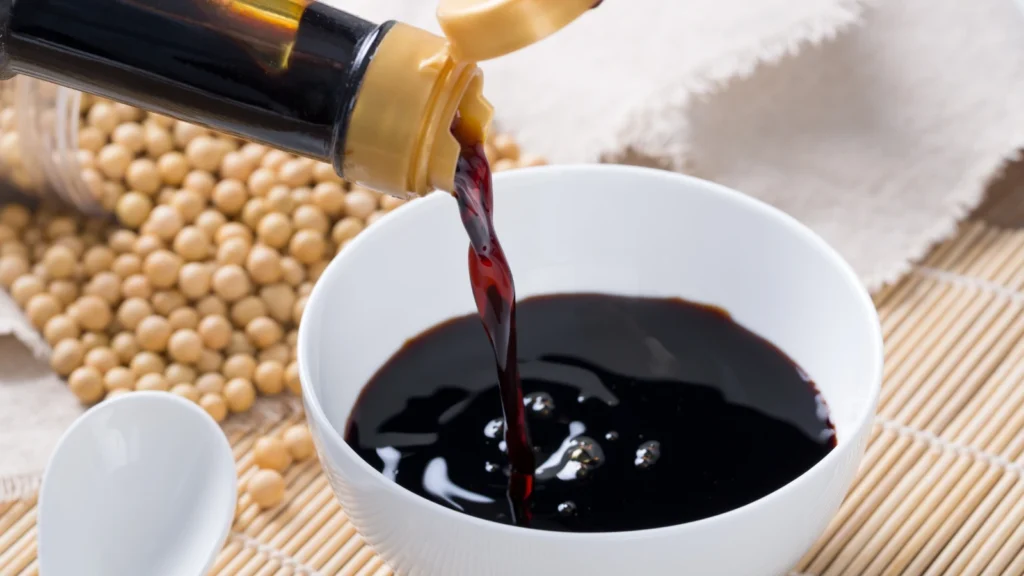
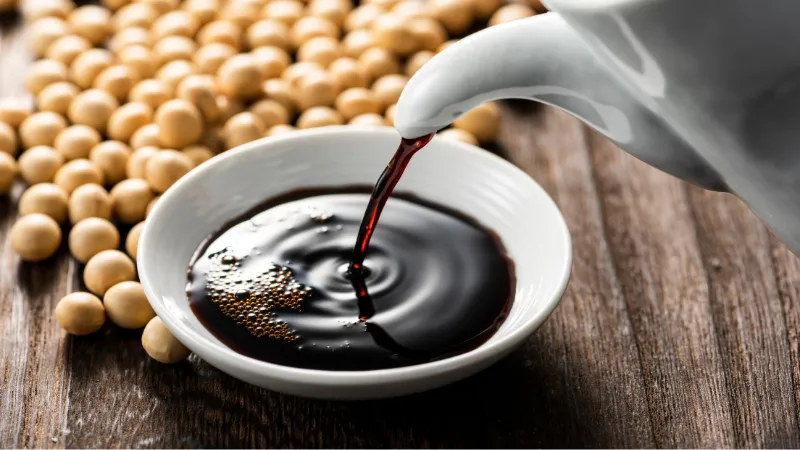
Soy sauce, called Shōyu (醤油) in Japan, is one of the pillars of Japanese cuisine. It brings saltiness, Umami (a flavor naturally present in fermented foods), and a characteristic aroma derived from the ingredients that compose it.
Soy sauce plays the role of a “base seasoning” in a large number of Japanese dishes. From a technical standpoint, it is a liquid fermented condiment obtained from a mixture of soybeans, cereals (often wheat), and salt, then fermented and pressed.
The goal of this article is simple: to give you a clear and practical overview of japanese soy sauce, without copying existing formulations, and by relying on recognized Japanese references (official standards, public institutions, encyclopedias, professional organizations, specialized publications).
What exactly is soy sauce?
According to a Japanese encyclopedic definition, soy sauce is a liquid seasoning produced from a Koji made of soybeans and wheat, mixed with brine, fermented, and then extracted by pressing.
In Japan, it is so central that it even has traditional nicknames linked to its role and its color.
How to choose a soy sauce suitable for a healthy diet?
Before addressing the history and know how of Japanese soy sauce, it is useful to understand the essential differences between the soy sauces available on the market today.
Not all of them are equal, neither in terms of composition nor in everyday use.
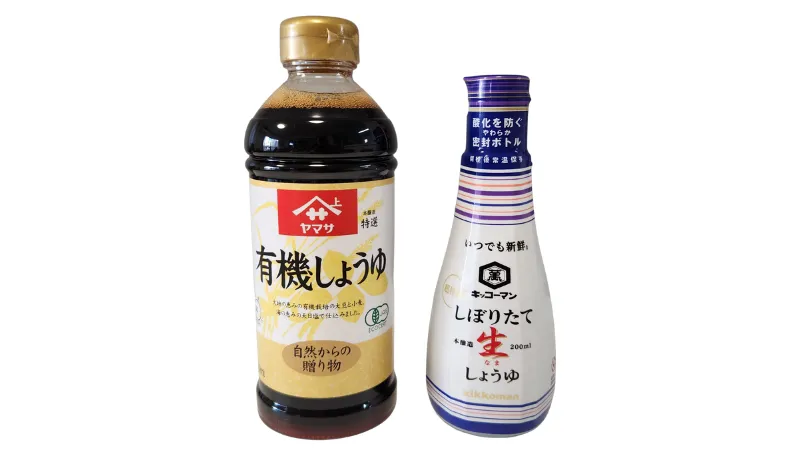
Even without speaking Japanese, a few simple reference points make it possible to make an informed choice.
Simple hierarchy of soy sauces
Level A – Traditionally fermented soy sauce, without additives
This is the simplest form and the closest to Japanese tradition.
These sauces are obtained through natural fermentation, without the addition of additives after production.
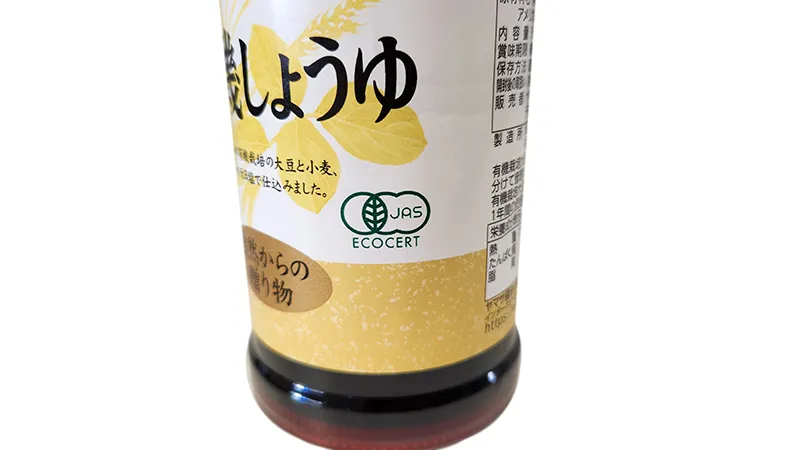
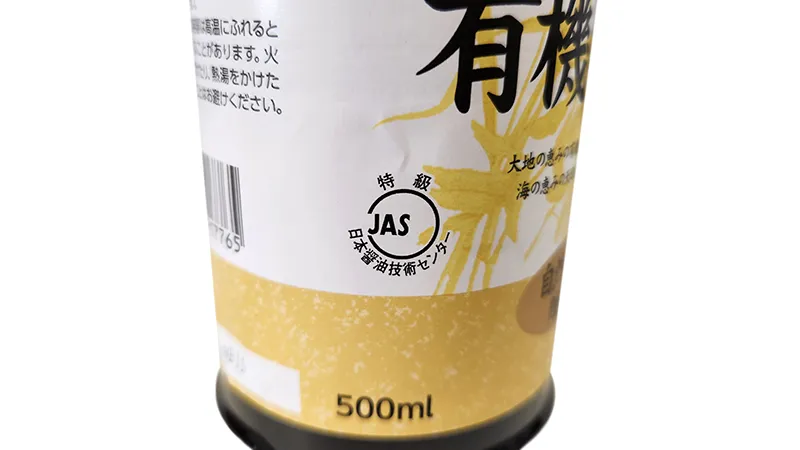
How to recognize them on the label?
You will generally find a mention of the method:
- 本醸造 (Honjōzō) = Traditional fermentation
The ingredient list is short, for example:
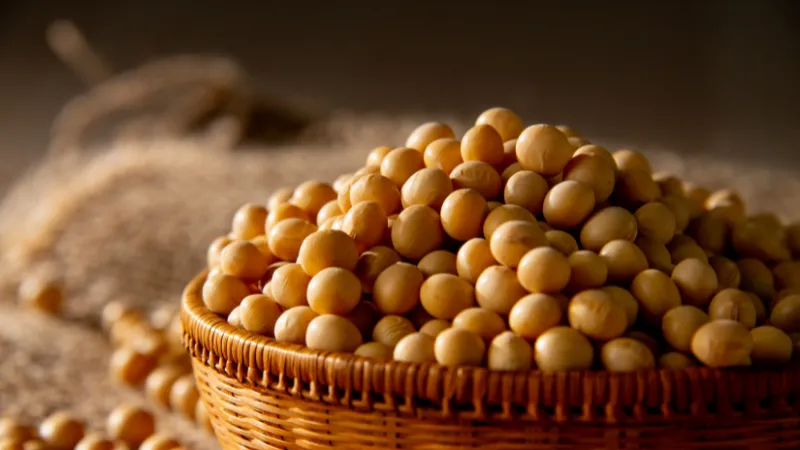
- 大豆 (daizu = soy)
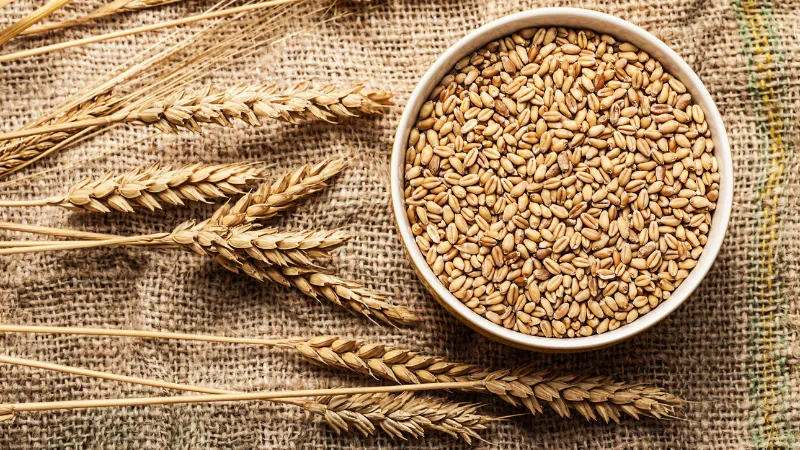
- 小麦 (komugi = wheat)
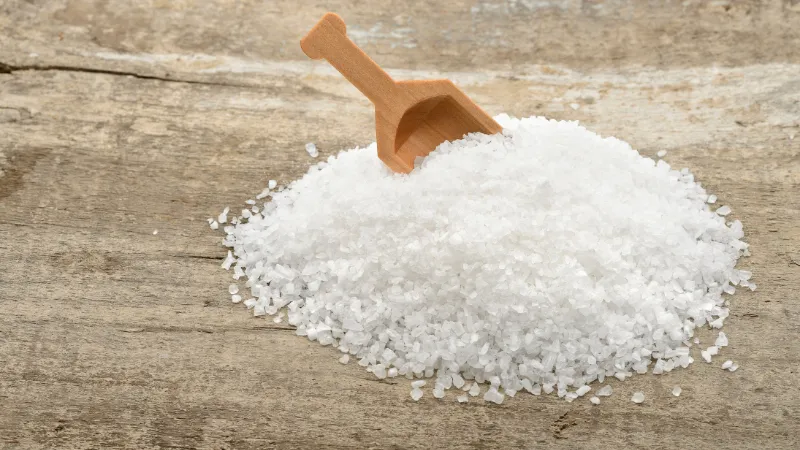
- 食塩 (shokuen = salt)
- parfois 水 (mizu = water)
There is no list of additives after these ingredients.
To know:
In Japan, the term 無添加 (Mutenka, which means “without additives“) cannot be used in a vague way.
The ingredient list therefore remains the most reliable criterion for identifying a simple and authentic soy sauce.
Level B – Soy sauce with a few technical adjustments
These sauces remain very common and suitable for everyday use.
They are generally produced through traditional fermentation, but contain one or two additional elements to improve stability.
You often find:
- Alcohol (Arukōru = alcohol), used as a preservative aid
- Sometimes acidulant (Sanmiryo = acidulant)
These additions do not make the sauce bad.
It is simply less minimalist than a level A sauce.
Level C – Industrial soy sauce
These sauces are designed for standardized production and long shelf life.
The ingredient list becomes longer and may include:
- カラメル色素 (karameru shikiso = caramel coloring)
- 甘味料 (kanmiryo = sweeteners)
- 保存料 (hozonryō = preservatives)
- 増粘剤 (zōnenzai = hickeners)
- 砂糖 (Satō = sugar in different forms
The longer and more technical the list is, the further it moves away from a simple and traditional soy sauce.
The essential health point: salt
Even an excellent soy sauce remains high in salt.
The most important health criteria are therefore:
- The quantity used
- The salt content indicated on the nutrition label
An artisanal soy sauce can be saltier than an industrial one.
Balance is achieved above all through usage and moderation.
Reduced salt soy sauces
A soy sauce may carry the mention 減塩しょうゆ (Genen Shōyu = reduced salt) if it contains 9 g of salt or less per 100 g.
Reduced salt does not necessarily mean ultra industrial.
Some reduced salt soy sauces remain 本醸造 (Honjōzō = traditional fermentation), sometimes with alcohol or an acidulant to compensate for the lower salt content.
They can therefore be a good compromise if sodium reduction is a priority.
Where does shōyu come from in Japan? Historical reference points
Japanese sources point out that the word “shōyu” appears during the Muromachi period, and that its history fits into a broader continuity of older fermented condiments (such as “Hishio”, 醤).
Popular accounts also link the rise of a flavorful liquid to practices surrounding miso (liquid collected at the bottom of fermentation vats), before soy sauce gradually stabilized into forms closer to those known today. These accounts exist, but Japanese institutions emphasize that the history combines traditions and gradual technical developments.
From the Edo period onward, production became organized, specialized, and more widely distributed, notably through maritime trade, which contributed to regional diversity in taste.
How is traditional Japanese soy sauce made?
The principle “koji, moromi, fermentation, pressing”
The Japanese association dedicated to soy sauce describes the classic production process known as Honjōzō (本醸造, traditional fermentation):
- Preparation of raw materials: soybeans (including defatted soybeans) and wheat, generally in similar proportions.
- Koji (麹): inoculation with a fermentation mold (koji kin) to create a “Shōyu Koji” mentioned earlier in the article.
- Moromi (諸味): mixing the koji with brine, followed by fermentation and maturation.
- Maturation: several months, with the combined action of microorganisms (koji, yeasts, lactic acid bacteria), which builds color, aromas, and umami.
And after fermentation?
Once maturation is sufficient, the liquid portion is extracted by pressing (this is the core of the definition “fermented then pressed“).
In common practice, the soy sauce offered for sale is most often stabilized by heat treatment (“Hi Ire”, 火入れ) in order to fix quality and facilitate preservation.
The 5 main types of japanese soy sauce (official classification)
In Japan, the JAS standard (Japanese Agricultural Standards) regulates soy sauce and indicates that it applies in particular to 5 categories:
- Koikuchi (濃口)
- Usukuchi (淡口)
- Tamari (溜)
- Saishikomi (再仕込み)
- Shiro (白)
The Ministry of Agriculture (MAFF) presents these 5 families and adds consumption reference points:
- Koikuchi represents the majority of volumes in Japan (more than 80% according to their educational documents)
- Usukuchi is historically very closely linked to the cuisine of the Kansai region
- Tamari is strongly associated with the Tokai region
How to choose a soy sauce according to usage?
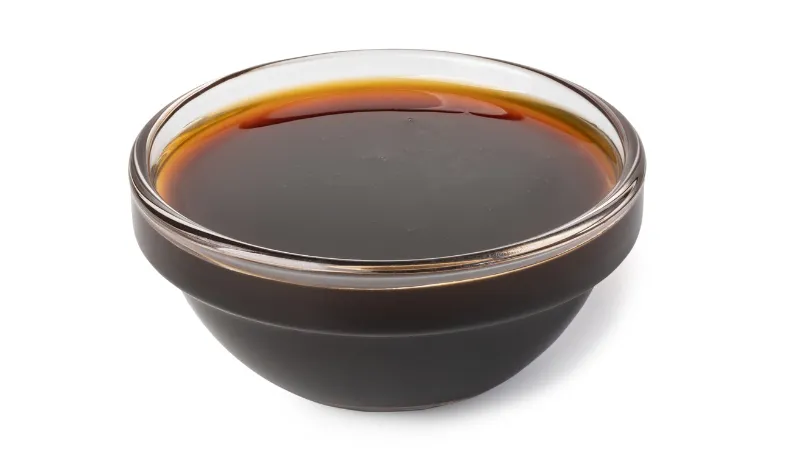
- Koikuchi (濃口): “versatile”, a good base for seasoning, marinating, cooking, and making sauces.
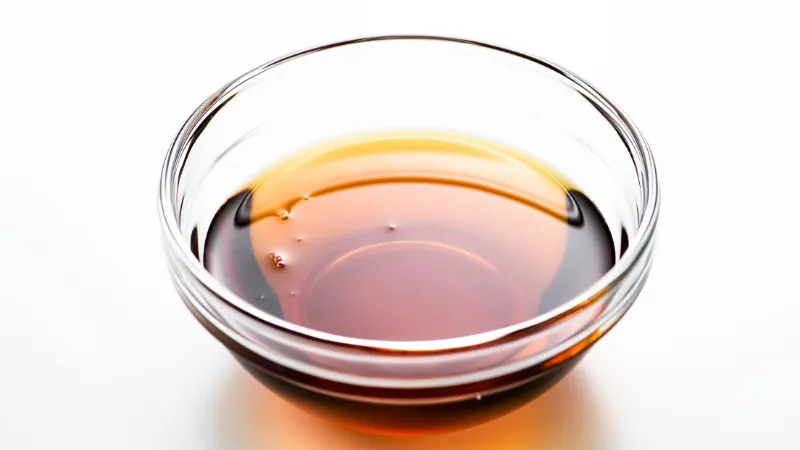
- Usukuchi (淡口): lighter in color, practical when you want to preserve the color of a broth, a vegetable, or a delicately presented simmered dish.
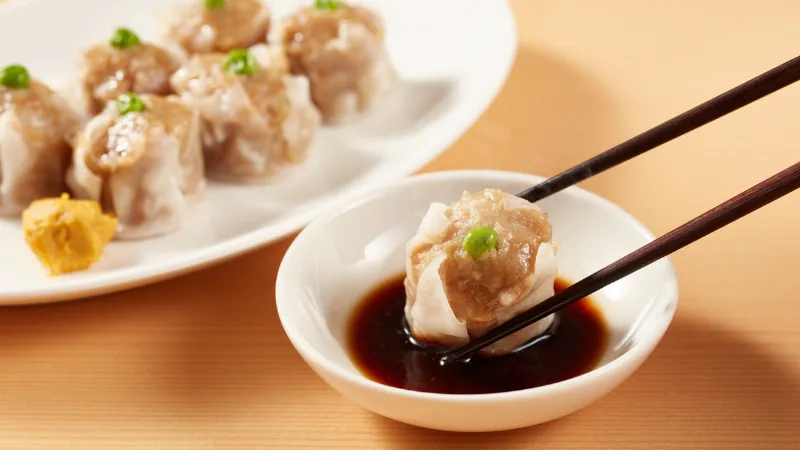
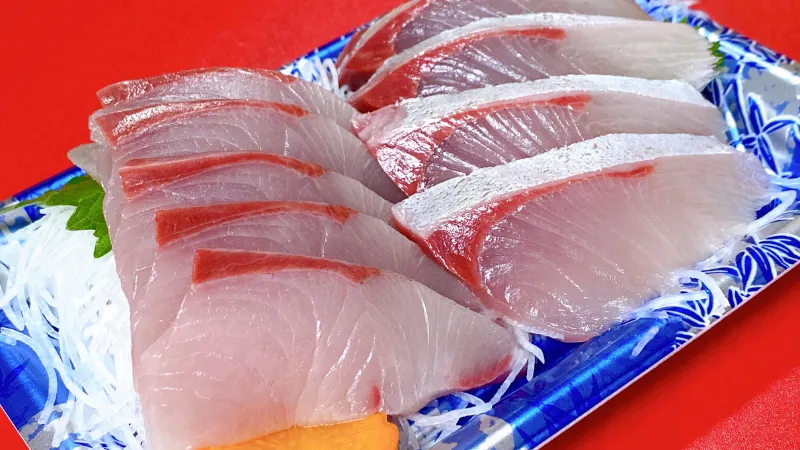
- Tamari (溜): thicker and more pronounced, often appreciated as a dipping sauce (sashimi) or as a glaze.
- Saishikomi (再仕込み): rich, dark, sometimes more “rounded”, used as a finishing sauce (sushi, sashimi, tare).
- Shiro (白): very light in color, milder and rich in koji aroma, used in cooking when a pale color is desired.
How to store soy sauce?
Japanese sources are very clear: once opened, soy sauce changes when exposed to air (oxidation, browning), with a gradual loss of aromas, even if this does not necessarily pose a food safety issue.
Good practices:
- Before opening: avoid direct light and heat.
- After opening: keep it in the refrigerator to slow aromatic deterioration.
- If you transfer it, reducing the air in the container helps preserve its qualities.
Mini FAQ on soy sauce
Is Japanese soy sauce “Chinese”?
Soy sauce (shōyu in Japanese) belongs to a large family of fermented condiments in Asia, but Japanese sources emphasize that shōyu developed in Japan and became an everyday condiment.
Does “lighter color” mean “less salty”?
Not necessarily. Color depends largely on production choices and maturation. To compare salt content, you need to check the nutrition label. The Usukuchi/Koikuchi distinction (less salty vs traditional) is primarily a matter of color and culinary use in Japanese descriptions.
Being cautious about soy sauce composition: Google Lens helps you compare
For people who do not read Japanese, the free Google Lens application is a very practical everyday tool.
It allows you to scan a label with your phone and instantly translate Japanese text into your preferred language. This is particularly useful for reading ingredient composition, spotting additive lists, identifying the presence of preservatives, or checking the salt content of a soy sauce.
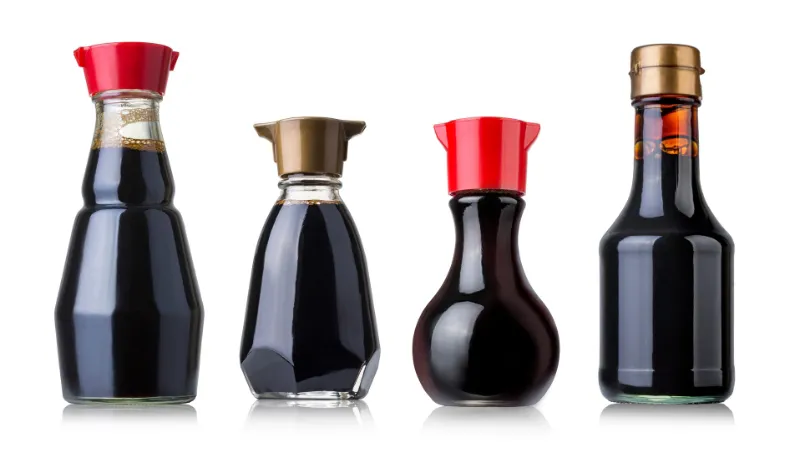
This tool also helps distinguish between a traditional Japanese soy sauce, whose ingredient list is generally short and simple, and certain sweetened and flavored industrial soy sauces, often intended for the international market. The latter frequently contain added sugar, flavorings, colorings, or thickeners, which makes them closer to a prepared sauce than to a fermented shōyu in the Japanese sense of the term.
Note: The mention of Google Lens in this article is for informational purposes. There is no affiliate link or commercial partnership with Google or any other translation service.
👉 In practice, translation applications make it possible to quickly understand texts displayed on screen in many languages.
The origin of soybeans
Even when a soy sauce is made in Japan, this does not guarantee that all of its ingredients (such as soybeans and wheat) come from Japan. Japan produces very little soybeans on its territory and relies largely on imports for its food consumption, including for the manufacture of products such as Shōyu, Miso, or Tofu.
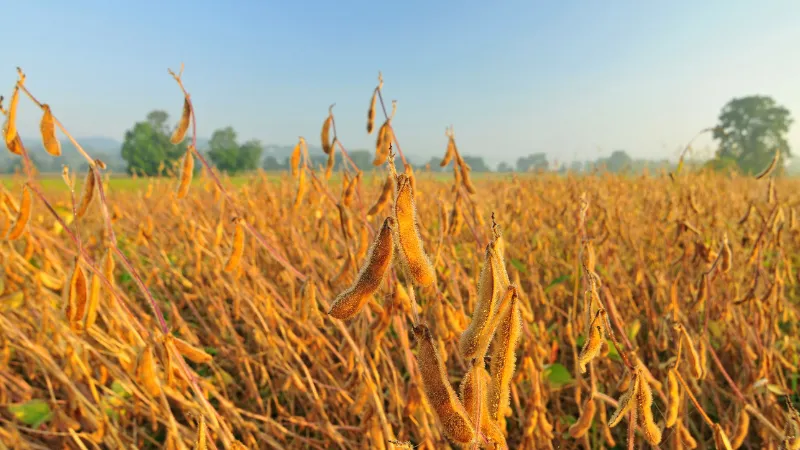
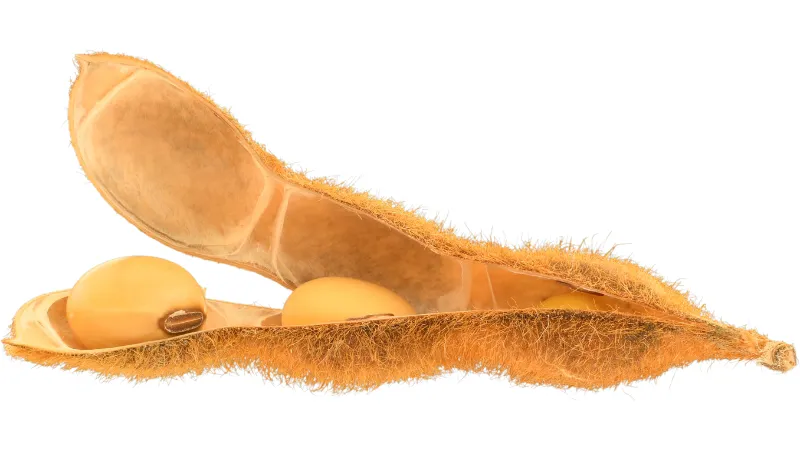
According to official data, Japan imports several million tons of soybeans each year, mainly from the United States, followed by Brazil and Canada. In 2023, approximately 68.7% of Japanese soybean imports came from the United States, with significant volumes also originating from Brazil and Canada.
This means that even if a soy sauce is produced locally in Japan, the base ingredient may have been grown abroad and subjected to agricultural practices different from those used in Japan.
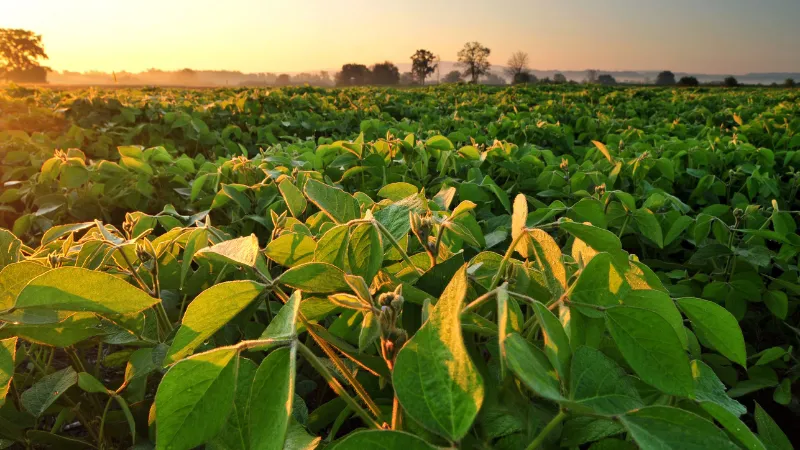
One point that draws attention among some consumers concerned about product quality is genetically modified soybeans (GMOs). In countries such as the United States and Brazil, a very large proportion of cultivated land uses varieties modified for herbicide resistance.
In other words, the geographical origin and cultivation practices of soybeans are not always easy to identify simply by looking at “made in Japan” on a bottle. For consumers who care about knowing where ingredients really come from, reading the product labeling can be useful.

Texts, images and videos © Japan Okinawa Daily Life
Copying, downloading and reuse prohibited without permission