Yokai, Mirrors of the Japanese Imagination
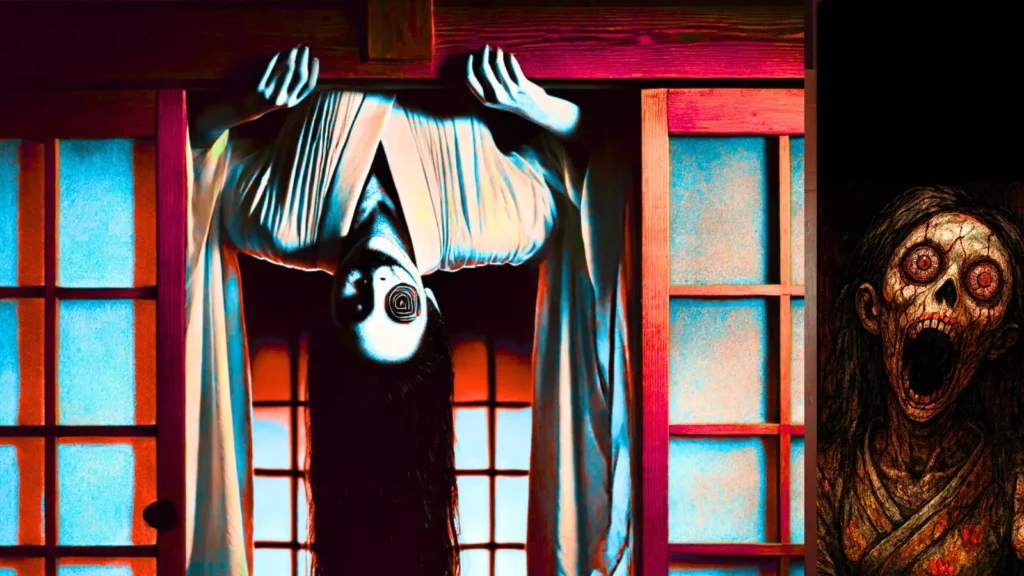
In Japanese culture, the Yokai (properly written with a macron over the “O” as Yōkai according to academic romanization standards, 妖怪 in Japanese) are beings that defy usual categories.
Neither gods nor true ghosts, they embody a sense of strangeness: rarely benevolent, they often provoke unease through their unsettling and mysterious nature.
They appear as animals able to shapeshift, specters tied to human tragedies, or spirits rooted in specific places. Their role is not only to instill fear; they also reflect collective anxieties, superstitions, and the imagination of society.
Over the centuries, compilations and folkloric encyclopedias have cataloged a multitude of these creatures across mainland Japan. Fans of popular culture are familiar with the Kappa, the Tengu, or the Yuki-Onna. But when we turn to the Ryūkyū archipelago, with Okinawa at its heart, the picture changes: sources are scarce, fragmented, and many stories remain buried in the oral traditions of local villages.
An Island Folklore Still Largely Unknown
These creatures, rooted in the folklore of Ryūkyū, stand apart from traditional Japanese Yokai.
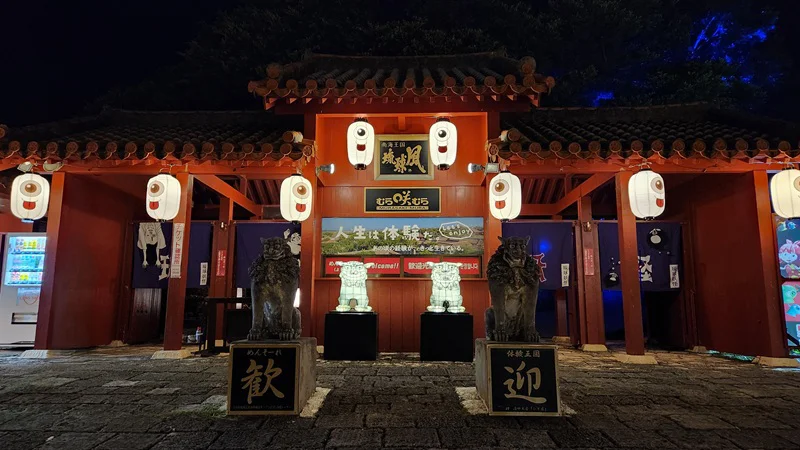
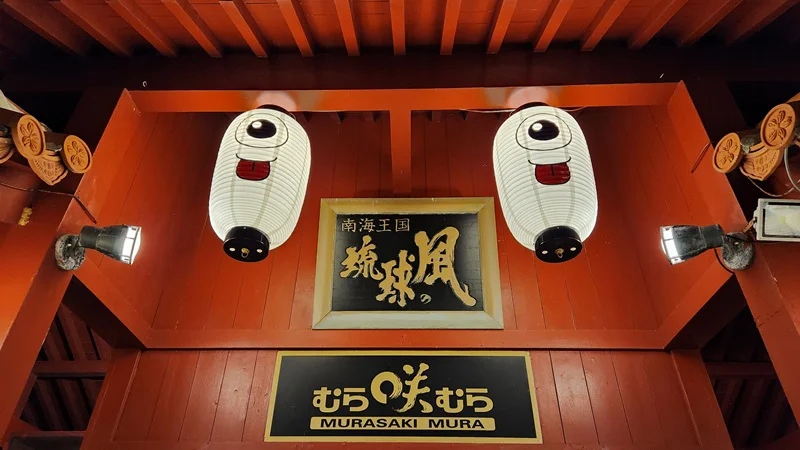
For centuries, Okinawa lived on the margins of central Japan, with its own history, independent kingdom, language, and beliefs. The Yokai said to have appeared here bear the imprint of this unique background. Unlike the monsters of Honshū folklore, often cataloged in books or depicted in woodblock prints, those of the Ryūkyū have been preserved mostly through oral tradition or local initiatives such as the Murasaki Mura festival, which each summer hosts an event dedicated to the Ryukyu Yokai (Ryūkyū yōkai in academic romanization).
This scarcity of sources is one reason why the article you are reading may become, so to speak, a modest reference. Very few websites list these creatures, and even fewer provide detailed descriptions. The information presented here comes primarily from the official booklet 琉球妖怪図鑑 (Ryukyu Yokai Zukan), published by the “Kingdom of Experience” Murasaki Mura, as well as from accounts gathered during the festival.
The “Ryukyu Yokai” Festival at Murasaki Mura
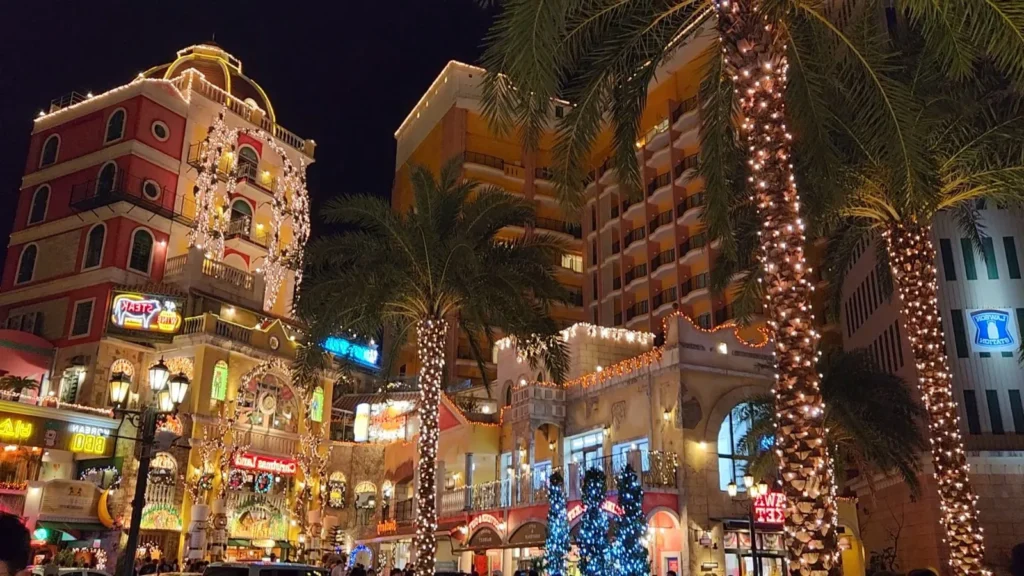
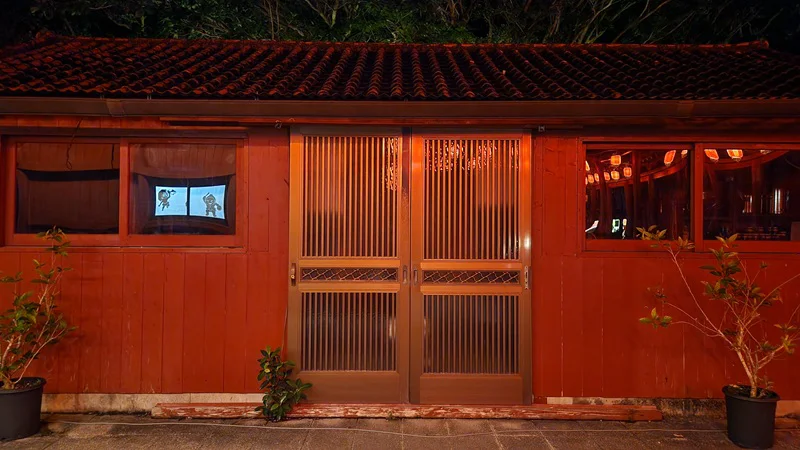
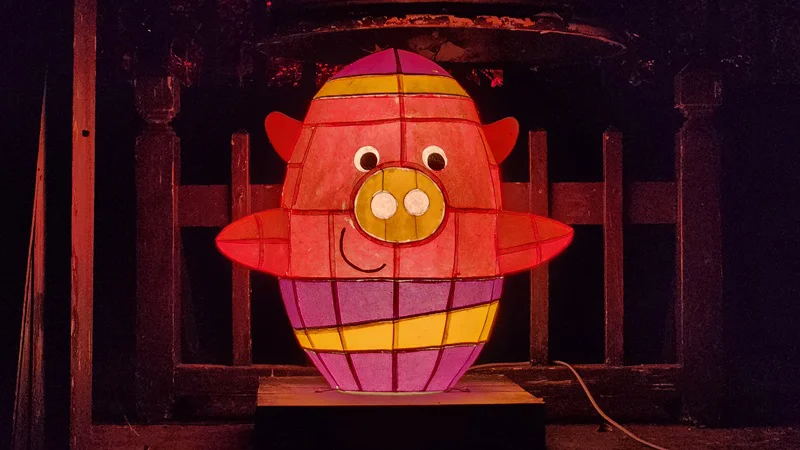
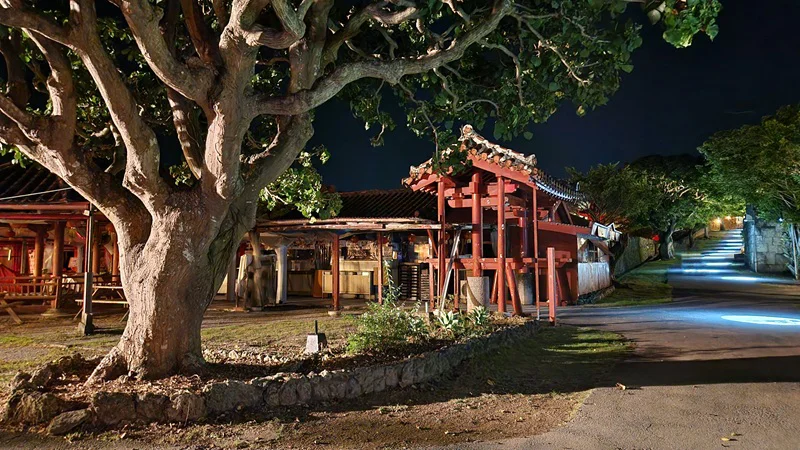
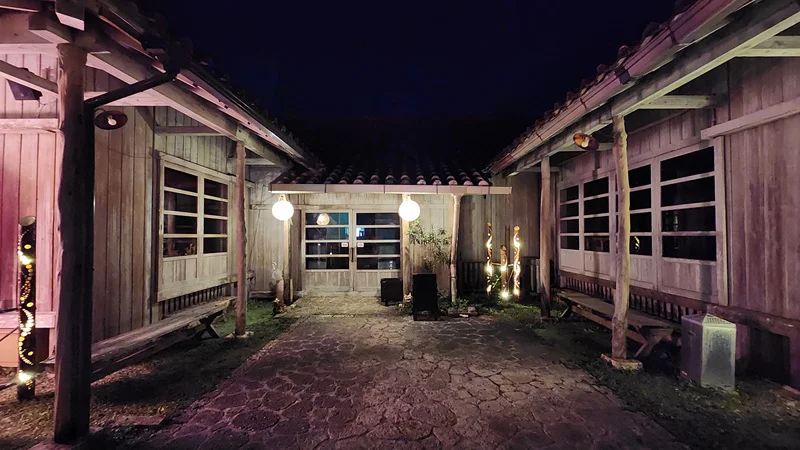
Every summer, the cultural park Murasaki Mura in Yomitan hosts a festival dedicated to local Yokai. Visitors wander through an illuminated village filled with lanterns and both frightening and playful scenes. The booklet handed out at the entrance is designed like a treasure hunt: each Yokai encountered allows visitors to stamp a page, turning the visit into a family adventure.

Click to watch the video
Alleged Portraits of the Yokai of Okinawa
Each of the following descriptions should be read conditionally. These are legendary tales whose details vary depending on the storyteller. These creatures are not documented in academic records, but studying them helps reveal the originality of island folklore.
Afira Majimum (Afirā / アフィラーマジムン)
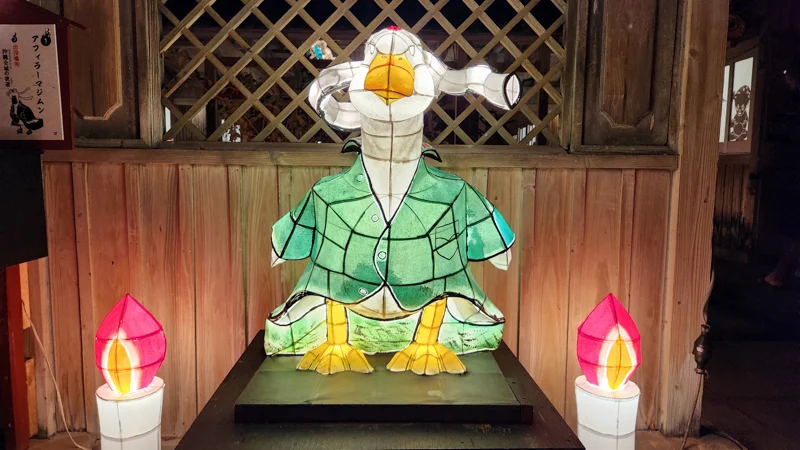
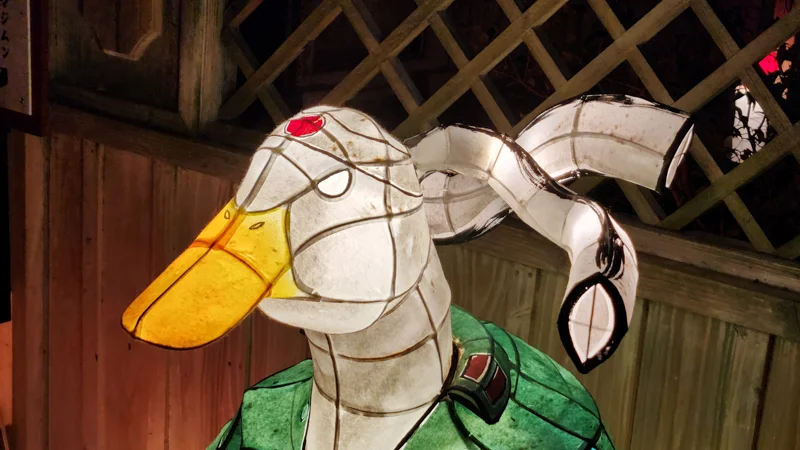
It is said that a duck haunts the streets of Shuri at nightfall. Walking slowly, it would follow passersby before suddenly quickening its pace and slipping between their legs. This fleeting contact would be enough to steal the victim’s soul, leaving them empty and drained of strength. The image of a familiar animal twisted into a soul thief perhaps reflects the fear of shadows or of unpredictable nocturnal encounters.
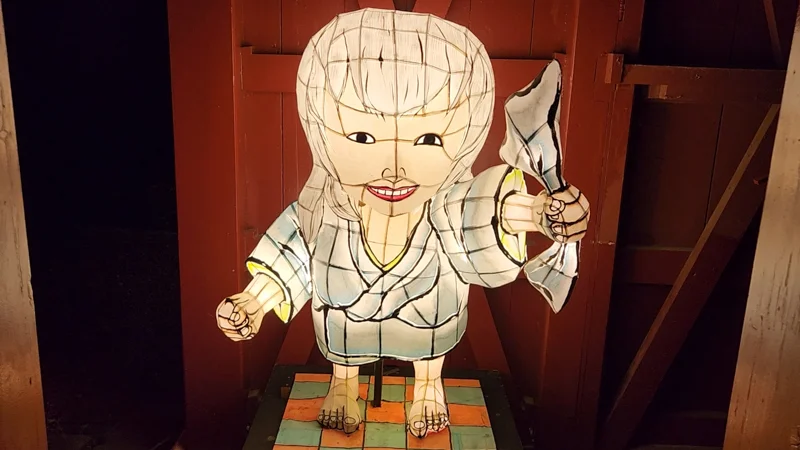
Kakamuro (Kākamuro / カーカムロ)
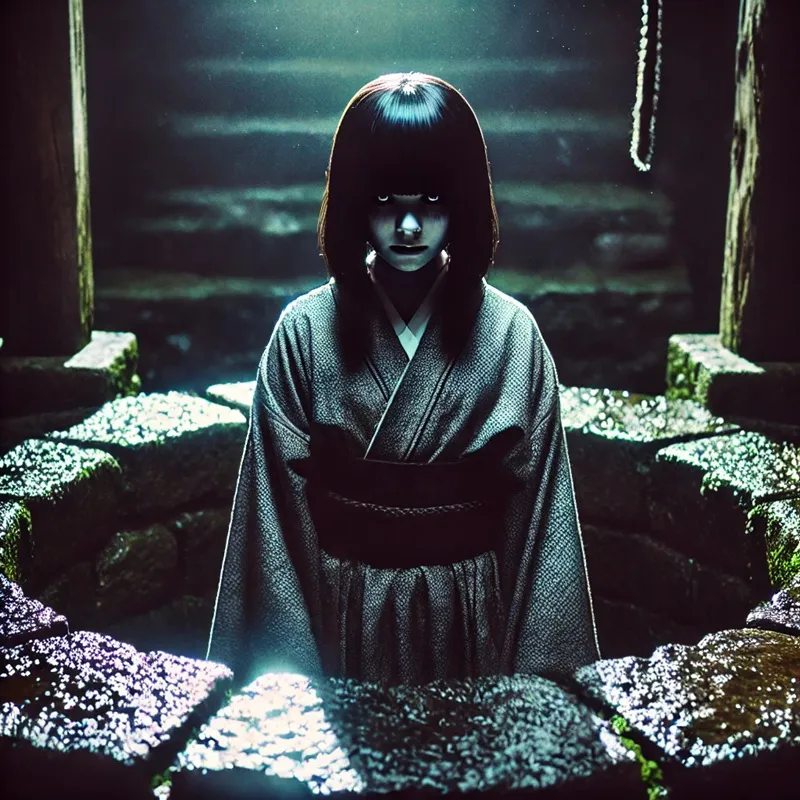
This apparition is said to take the form of a little girl with short black bobbed hair, dressed in a light summer kimono. She is believed to dwell at the bottom of wells, waiting for the curious to draw near. If someone of similar size leans over, she would leap out to drag them down into the depths. Reported in Naha, she embodies the dangers associated with water sources, often regarded as gateways to other worlds.
Kuchi Furacha
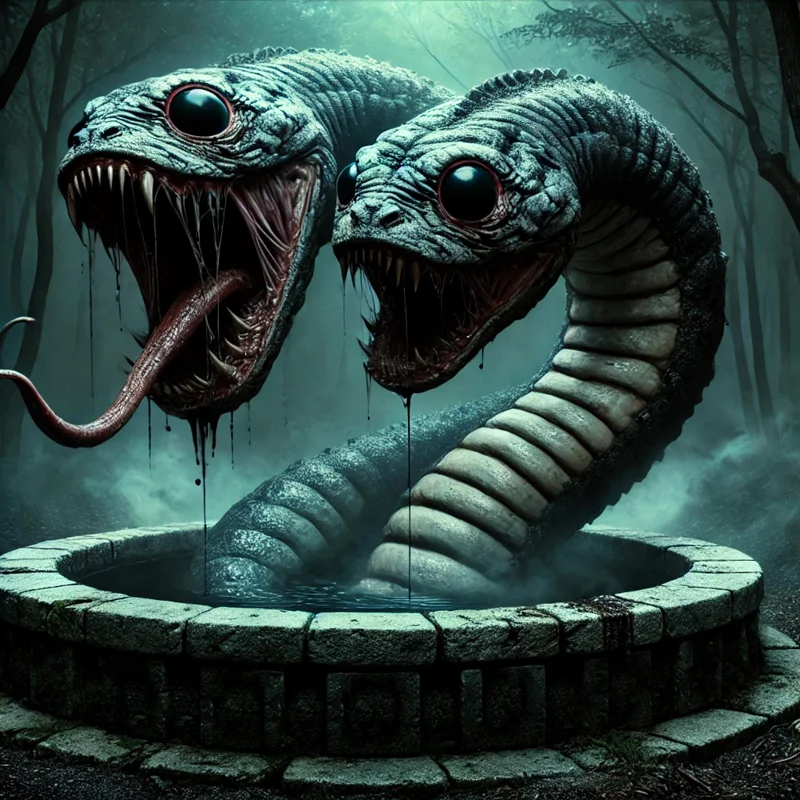
Legend tells of a giant two-headed serpent that once linked the village of Onna to that of Kin. An arrow is said to have pierced its throat, ending its reign. From its corpse grew a tree whose roots today form a winding path at Cape Kin. This tale illustrates how a natural feature (a twisting path) came to be connected with a mythical creature.
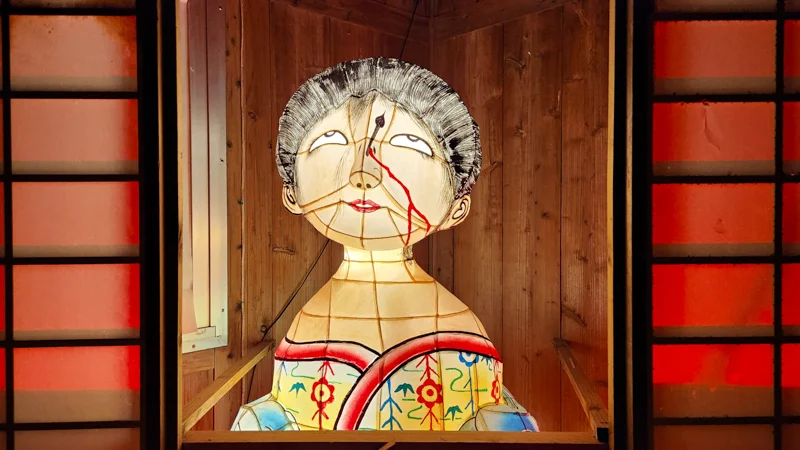
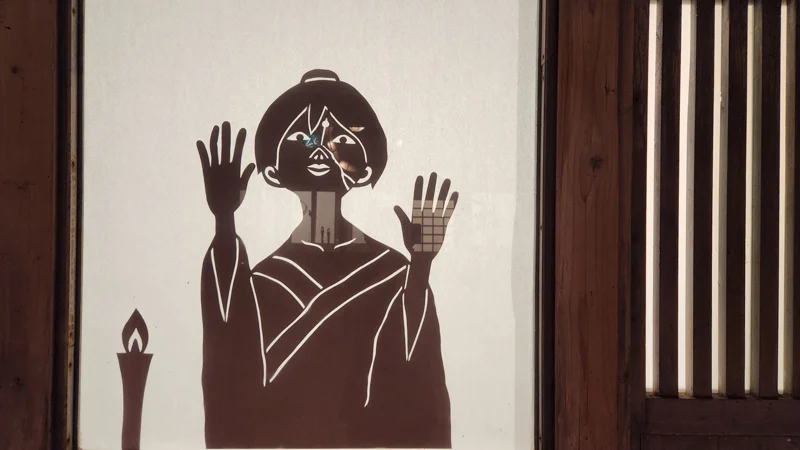
Hanamo (Hanamō / ハナモー)
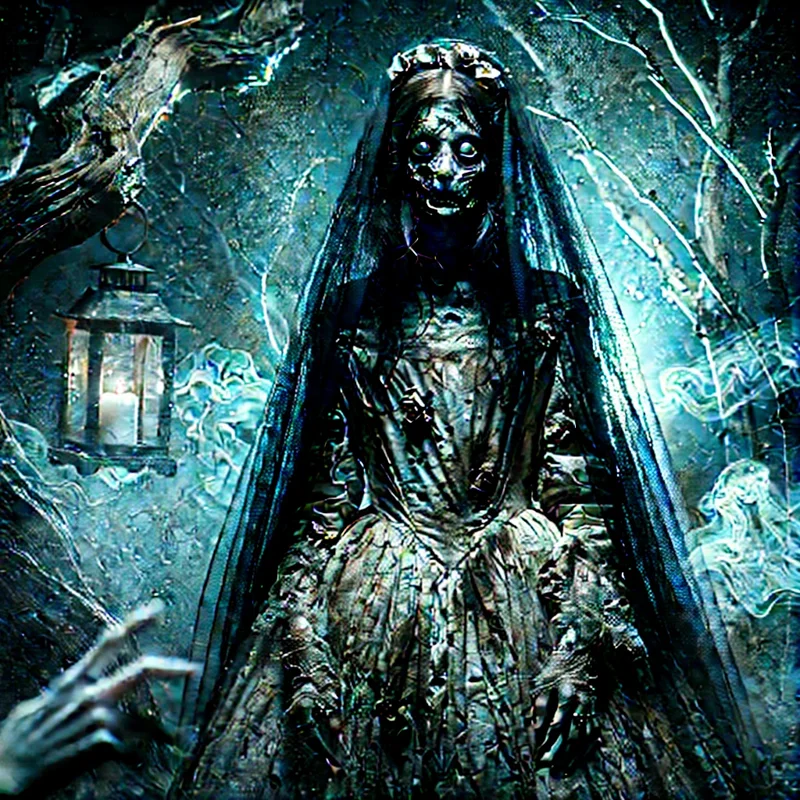
A young woman, while preparing her wedding robe, is said to have accidentally cut off her nose. In despair, she threw herself from the cliffs of Cape Kyan. Since then, her spirit is believed to haunt the area, dragging into the sea anyone who utters her name.
Kata Ashi Pinza
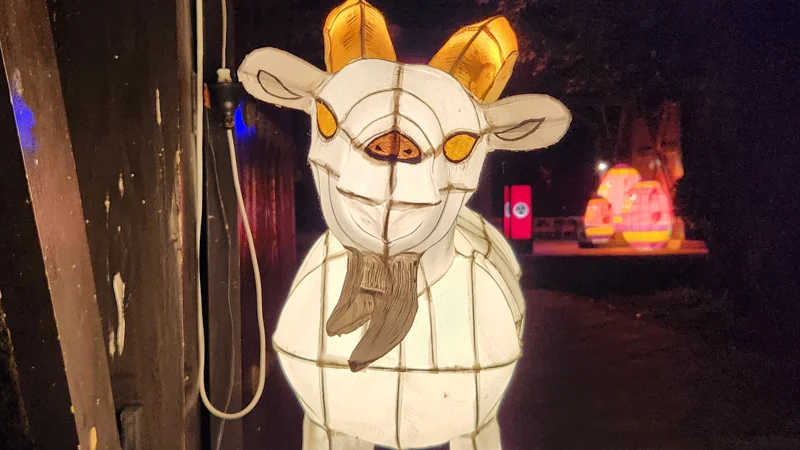
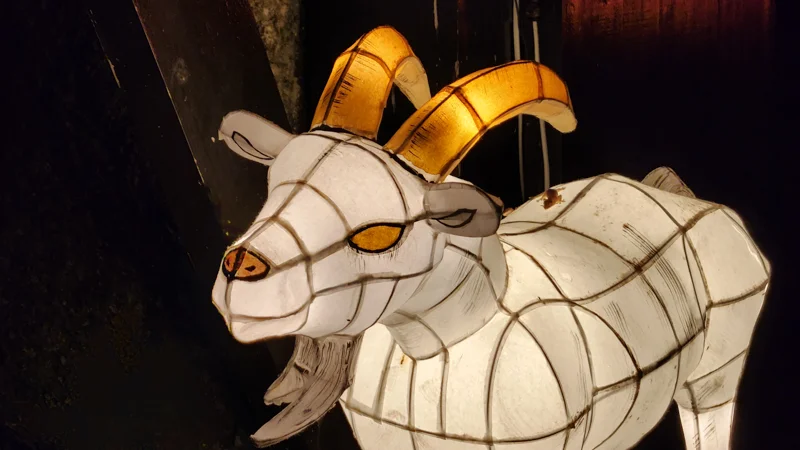
On Miyako Island, some claim to have seen a limping goat with only three legs. Despite its pitiful appearance, it is said to be cruel. Whenever the chance arises, it slips beneath its prey to steal their soul. In this case, the image of an incomplete animal, rather than inspiring compassion, becomes a symbol of menace.
Kagarimo (Kagarimō / カガリモー)
Near rivers, a tiny black spider would normally go unnoticed. But if disturbed, it is said to grow to an enormous size, reaching that of a human, and seize its victim to drag them into the water. Stories place this Yokai in Nakagusuku and Shuri. This figure combines the fear of insects with the deadly danger of drowning, a universal theme.
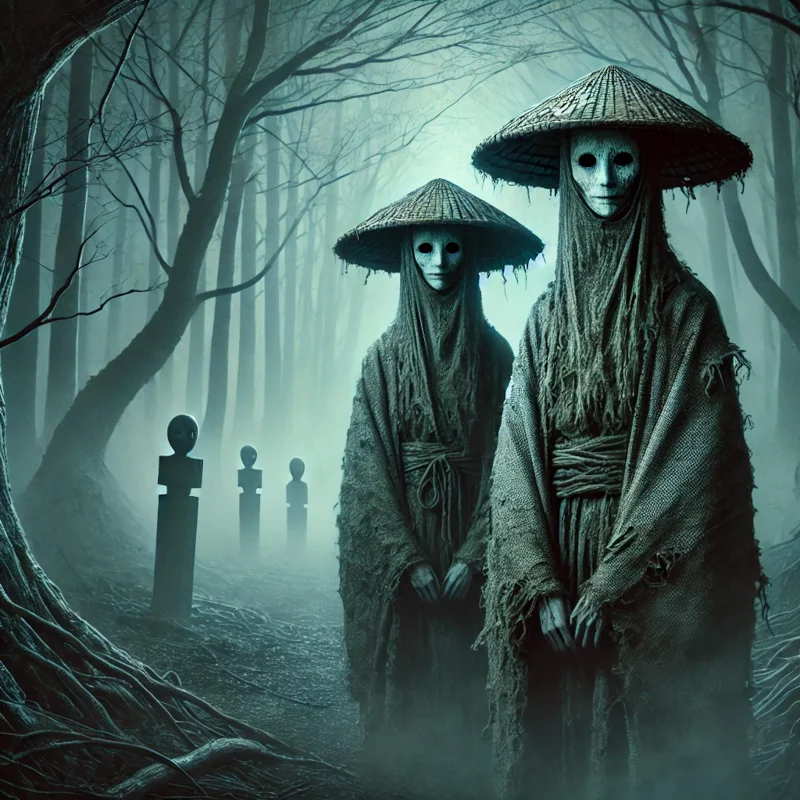
Gusonutsukai (グソヌツカイ)
These entities, always appearing in pairs, are said to prowl near rivers. They are believed to come from another world, waiting for passersby to steal their souls. Their presence has been reported in the Kunigami region in the north of Okinawa’s main island.
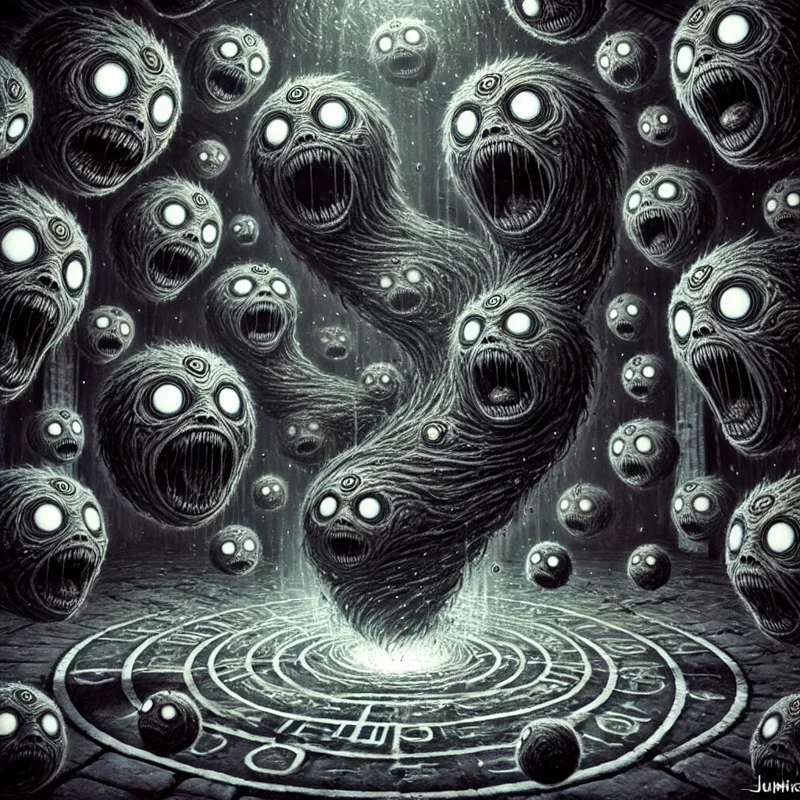
Hidama
This is not a visible being but rather a sensation: unease, a sinister breath, an impression of impending misfortune. The Hidama are described as omens, felt rather than seen.
Jurimajimum
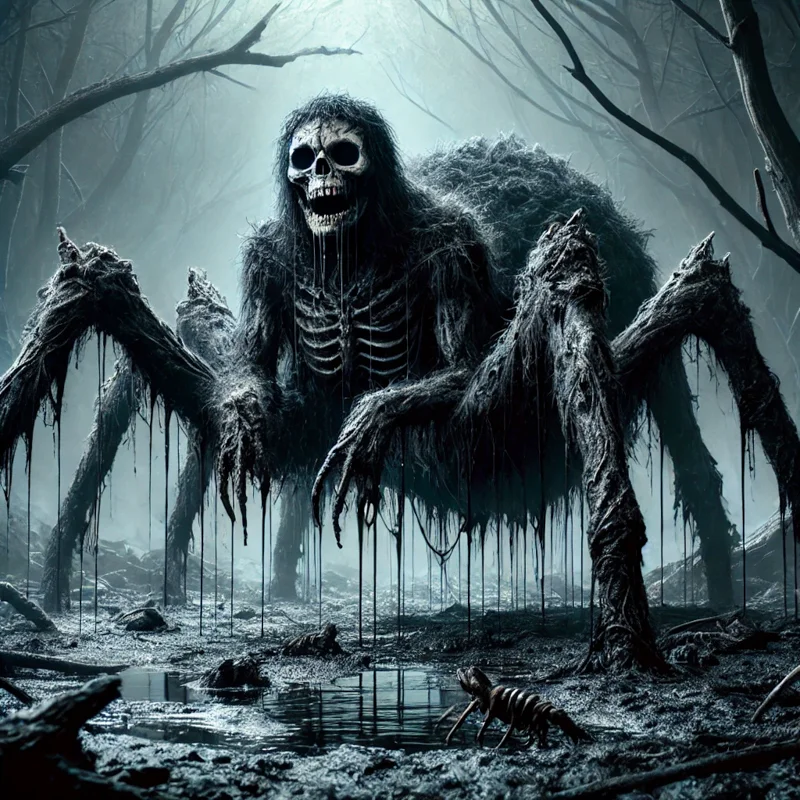
A woman forced into prostitution is said to have carried such deep resentment that, after her death, she became a vengeful spirit. She is believed to haunt many places across Okinawa, stealing the souls of the unwary. This figure reminds us that a Yokai can also embody the trace of real human suffering, transformed into story and legend.
Sema (Semā / セマー)
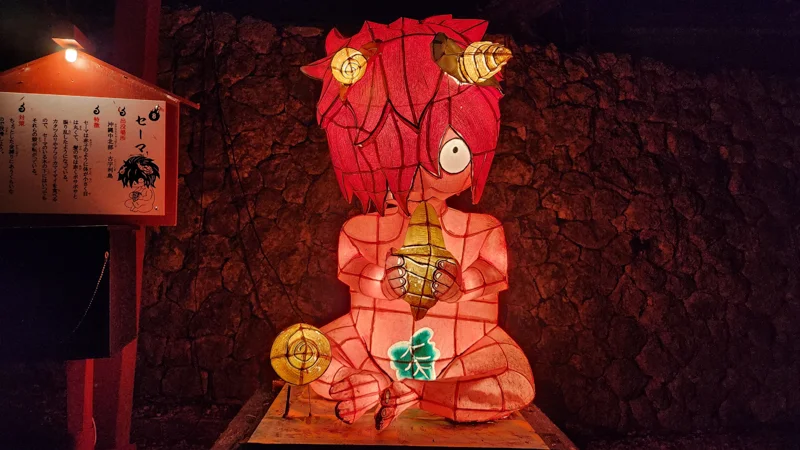
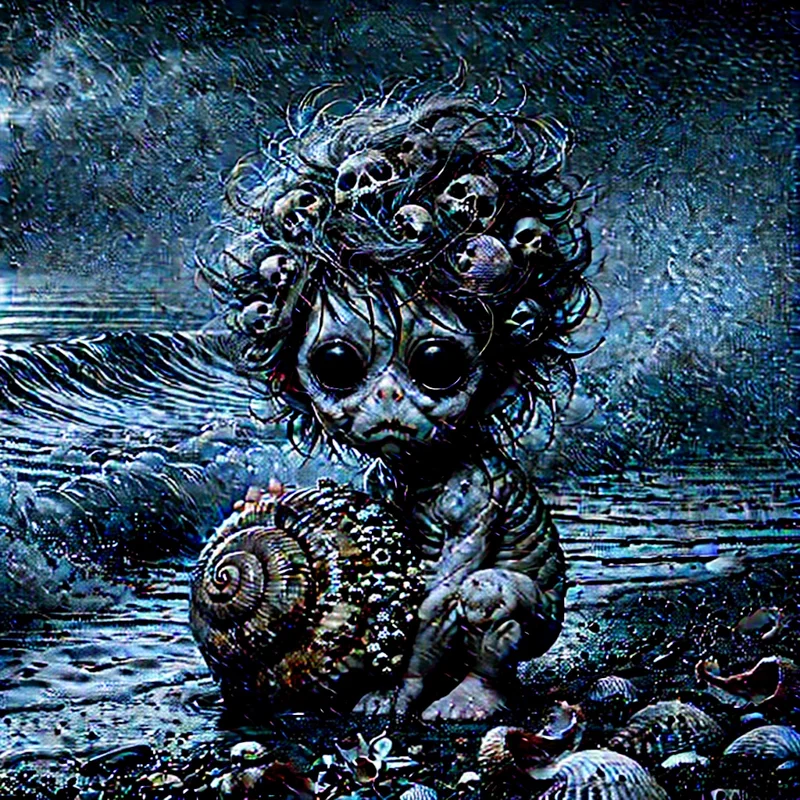
Small beings with tousled red hair are said to feed on mollusks, especially the giant African snails introduced to the Ryukyu Islands. Their presence would be revealed by piles of discarded shells. Yet their most dreaded power is the ability to cause sleep paralysis: falling asleep near them would condemn the body to immobility. They are mentioned in stories from Kouri and northern Okinawa.
Hadakanuyu (Hadakanuyū / ハダカヌユー)
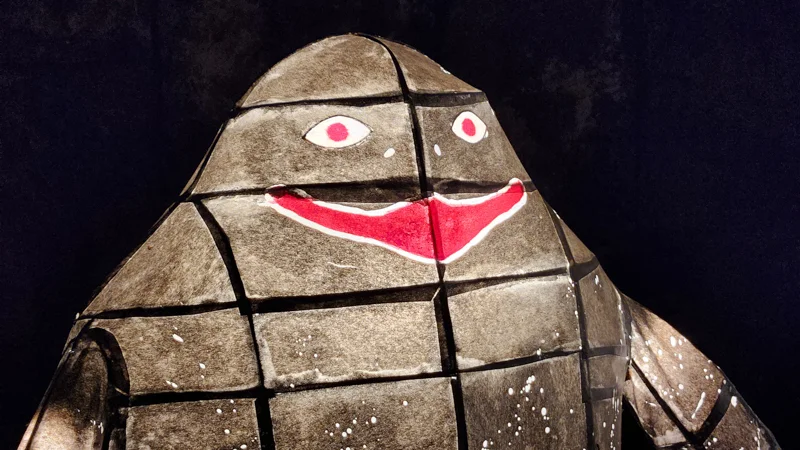
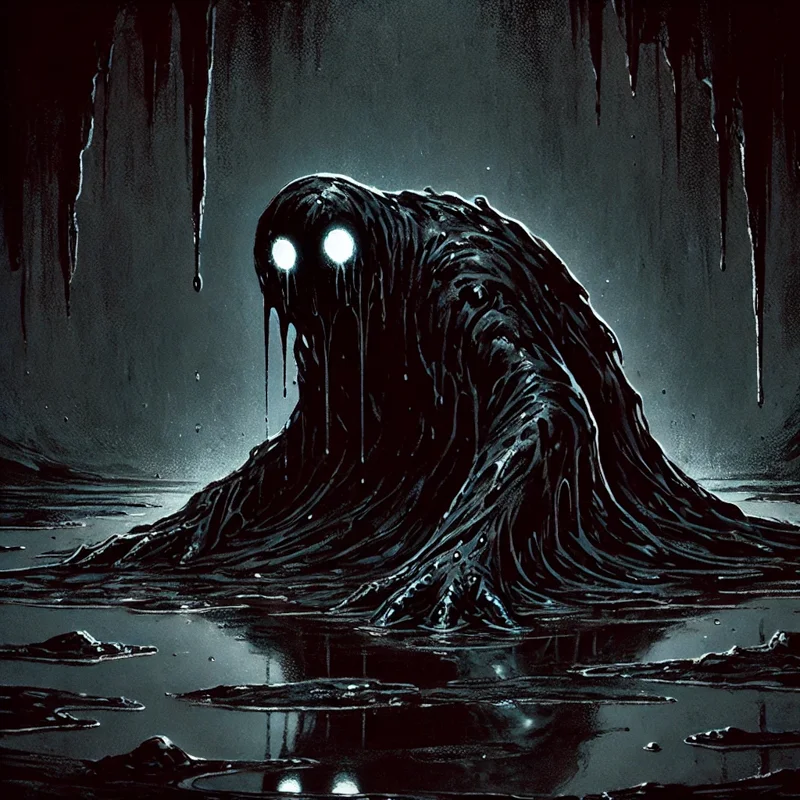
Black silhouettes without faces or necks are said to wander in the shadows. They are believed to be the souls of prehistoric cannibals, unable to reach the afterlife. At times, they would possess the body of a prostitute in order to ensnare the living. Sightings of these beings have been reported in various regions of the Ryūkyū.

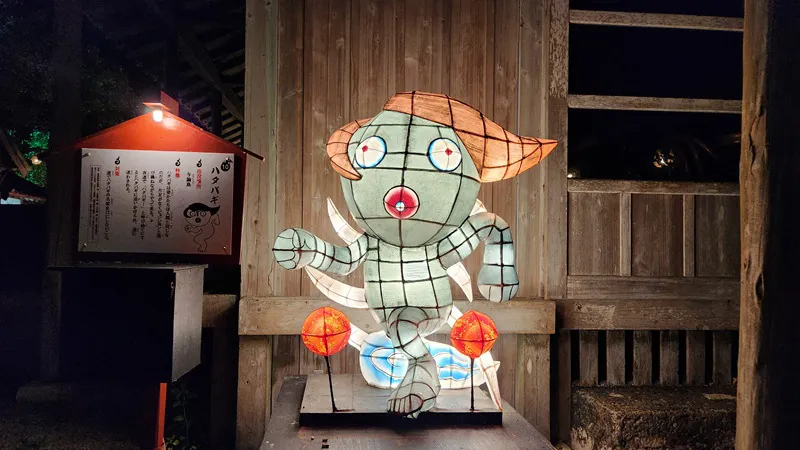
Hatapagi
This one-legged specter is said to move by hopping. Its very name is considered dangerous: anyone who calls it out at night would be condemned to be relentlessly pursued.
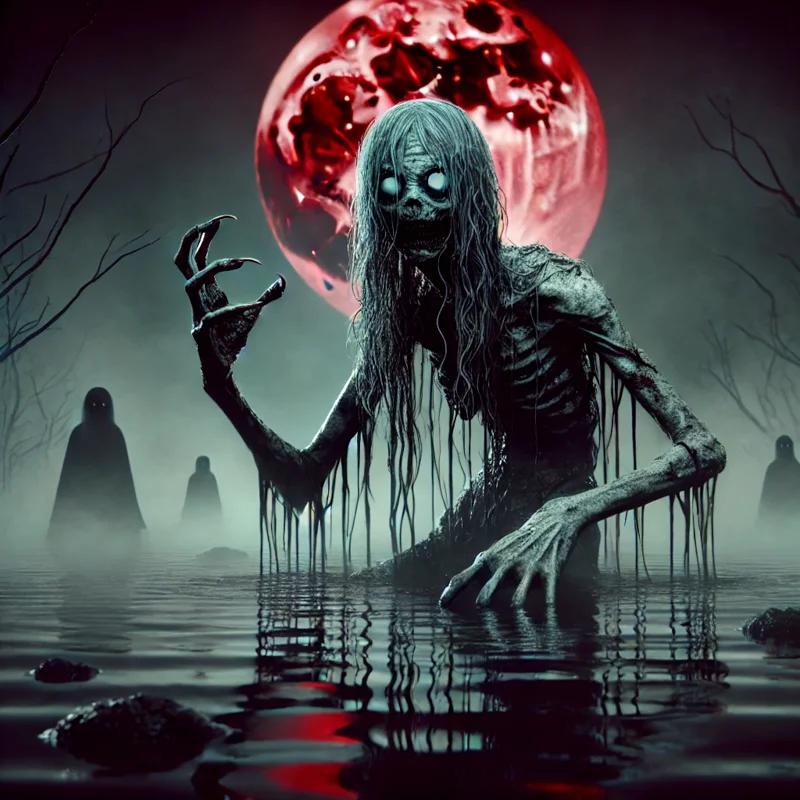
Pikin Kiru
These aquatic creatures are believed to lurk in rivers, grabbing swimmers by the foot to drag them underwater. They are particularly associated with Ogimi, though other villages also mention their presence.
Hikkake Yurei (Yūrei / 引っ掛け幽霊)
A mischievous spirit, it is said to seize the leg of passersby not to harm them, but to ask for directions. This blend of strangeness and innocence gives it a less frightening nature compared to other Yokai.
Kijimuna (Kijimunā / キジムナー)
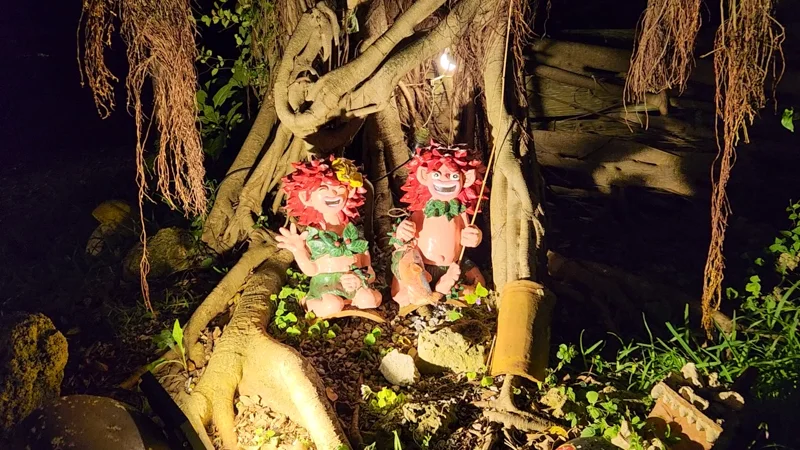
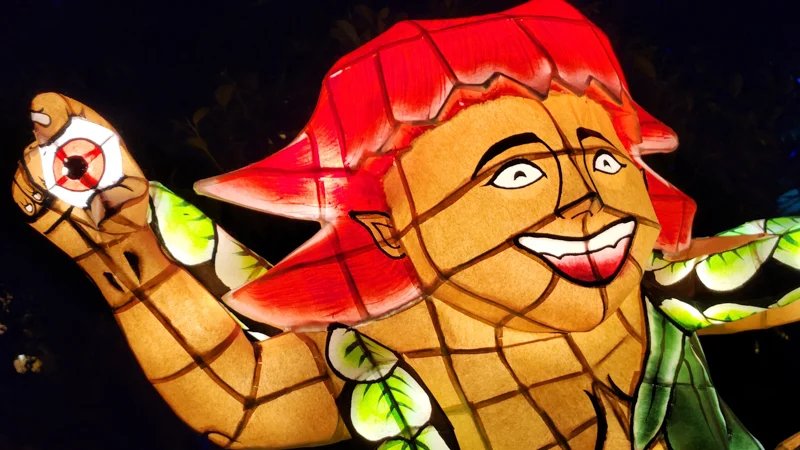
Among the most famous creatures of Okinawan folklore is the Kijimunā. These small beings, resembling children with tousled red hair, are said to dwell in the great Gajumaru trees (榕樹), majestic banyans with sprawling aerial roots. Mischievous and playful, they love to trick the locals. Their taste is peculiar: they are said to relish fish eyes, though they refuse to eat both from the same fish.
Despite their seemingly harmless appearance, the Kijimunā can become formidable if betrayed or if someone attempts to cut down their tree. Deeply bound to their arboreal home, they embody both childlike mischief and the protective power of nature. Even today, Gajumaru trees are respected and at times feared in the local imagination, believed to shelter these spirits.
International Comparisons
What is striking in these legends is their closeness to other myths around the world. Aquatic creatures that seize swimmers recall the Kelpies of Scotland or the Slavic Rusalki. The sleep paralysis attributed to the Semā echoes European tales of nocturnal demons sitting on the chest of sleepers. As for the dark silhouettes of the Hadakanuyū, they resemble the “shadow people” of modern stories. These parallels show that, despite their local particularities, the Yokai of Okinawa are part of universal fears.
For Fans of Japanese Yokai
If you already collect stories of the Kappa, Tengu, or Oni, this overview will bring you a fresh perspective. The Yokai of the Ryūkyū are rarely mentioned in standard databases. Discovering them means expanding your horizon to another Japanese culture, one that was long independent, with its own codes and influences.
Respecting the Research Work of Murasaki Mura
It is important to emphasize that the list of Yokai presented here is not exhaustive. Murasaki Mura has accomplished remarkable work in researching and showcasing local traditions through its festival and its booklet, 琉球妖怪図鑑 (Ryukyu Yokai Zukan). In order not to reveal all of this content or deprive visitors of the experience it offers, I have deliberately chosen not to publish the full list of creatures or the complete details of their characteristics.
My intention is rather to provide a glimpse and inspire folklore enthusiasts and the curious to visit the site themselves. The festival not only allows for a deeper understanding but also offers a lively and playful presentation, combining nighttime performances with a stamp-rally treasure hunt. It is at Murasaki Mura that visitors can complete their discoveries and gather the missing details.
Other Activities at Murasaki Mura
Beyond the festival, the site also offers daytime activities such as:
- Craft workshops (pottery, shell art, indigo dyeing)
- Culinary experiences (ramen making, local cuisine)
- Outdoor activities in the gardens
As well as a second festival, the Lantern Festival
Additional Videos
This article is accompanied by a video available on my Japan Okinawa Daily Life channel, filmed during the Ryukyu Yokai Festival. The video shows the nighttime atmosphere, the illuminated installations, and part of the booklet handed out to visitors. Feel free to watch it to complement this article with real images.
Click on the photo to watch the Ryukyu Yokai video on YouTube
The Lantern Festival
From December to March, Murasaki Mura hosts another major event, the Lantern Festival. This winter celebration transforms the park into a fairy-tale setting, different from the summer atmosphere of the Yokai festival yet equally magical. With colorful lights and a peaceful ambiance, this festival perfectly complements the site’s cultural calendar.
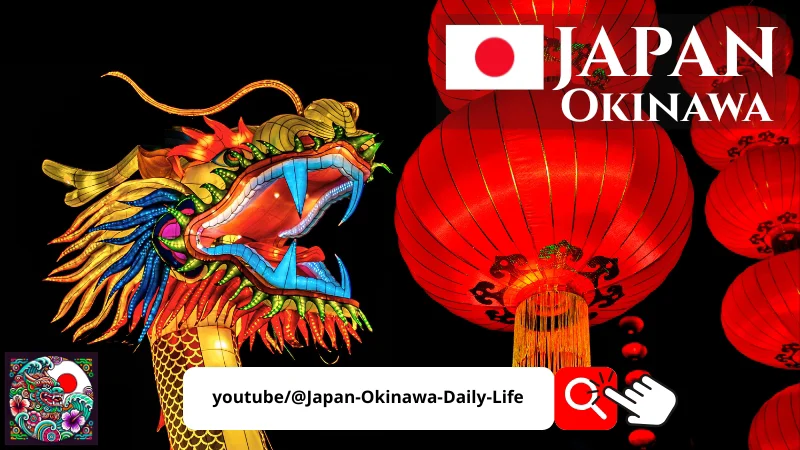
Click on the photo to watch the Lantern Festival video on YouTube
(Video published on February 7, 2026)
My Opinion
The Yokai of Okinawa do not appear in the major manuals of Japanese folklore, but they deserve special attention. Through these tales, we can glimpse the richness of an island imagination shaped by the sea, isolation, and a unique history.
To better understand what the Ryūkyū are, mentioned several times in this article, as well as their relationship with Japan, I recommend reading a dedicated article on the islands of Okinawa, their former kingdom, and the reasons for their annexation by Japan.
Read the article on the Ryūkyū Islands
Now it’s your turn to continue the exploration:
- by visiting the Murasaki Mura festival,
- by consulting the official booklet,
- …or by sharing this article along with your own comments, while citing this article as well as the sources from Murasaki Mura.
Thus a collective memory of the Yokai of the Ryukyus is gradually being built, so that they do not disappear into oblivion.
Acknowledgments and Non-affiliated Sources
I would like to thank Murasaki Mura, whose work and festival made it possible for me to gather this information. The main source is the booklet 琉球妖怪図鑑 (Ryukyu Yokai Zukan), published on site.
Source: Booklet | Published by 体験王国むら咲むら | 琉球妖怪図鑑
- Address: Taiken Ōkoku Murasaki Mura, 〒904-0323 Okinawa Prefecture, Nakagami District, Yomitan Village, Takashiho 1020-1
- Phone: 098-958-1111
- Access: About 1 hour by car or bus from Naha.
- Official website (non-affiliated): murasakimura.com
- Hours and Admission (2025 edition)
- Ryukyu Yokai Festival Dates: Mid-July to late August 2025 (Please confirm exact dates and times before your visit)
- Hours: 5:30 PM – 10:00 PM (last entry at 9:30 PM)
- Admission: Adults ¥1,800 / Junior high & high school students ¥700 / Elementary school students ¥600 / Free for younger children
Texts, images and videos © Japan Okinawa Daily Life
Copying, downloading and use prohibited without permission