
Pineapple is an integral part of Okinawa’s agricultural landscape. This tropical fruit, perfectly suited to the climate and soils of the archipelago, tells its own story of local farming traditions and agricultural diversification.
Mainly grown in the northern part of the main island and in the Yaeyama Islands, Okinawan pineapple stands out for the diversity of its varieties. These offer different harvest seasons and a wide range of culinary uses, reflecting a rich and nuanced regional production.

Where does pineapple grow in Okinawa?
Pineapple production in Okinawa is mainly concentrated in two distinct areas.
The first is located in the northern part of the main island, around the Yanbaru region. This area includes municipalities well known for pineapple farming, such as Higashi Village, as well as the Nago area and its surroundings.
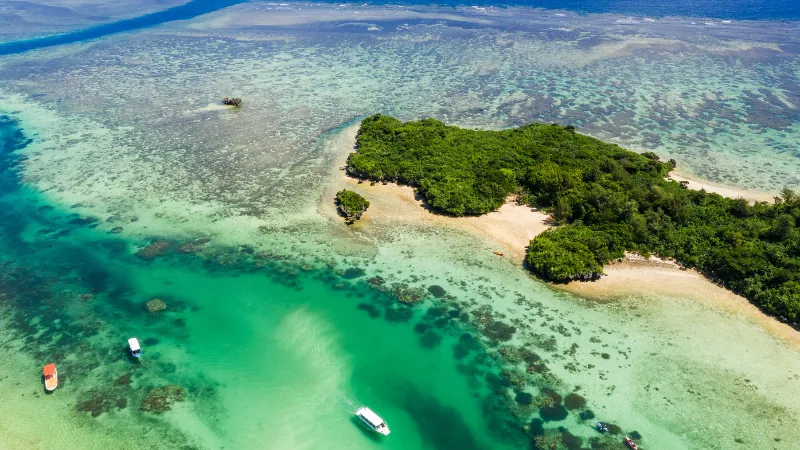
The second production area lies further south, in the Yaeyama archipelago. The islands of Ishigaki and, to a lesser extent, Iriomote also host pineapple plantations, depending on the production systems and varieties grown.
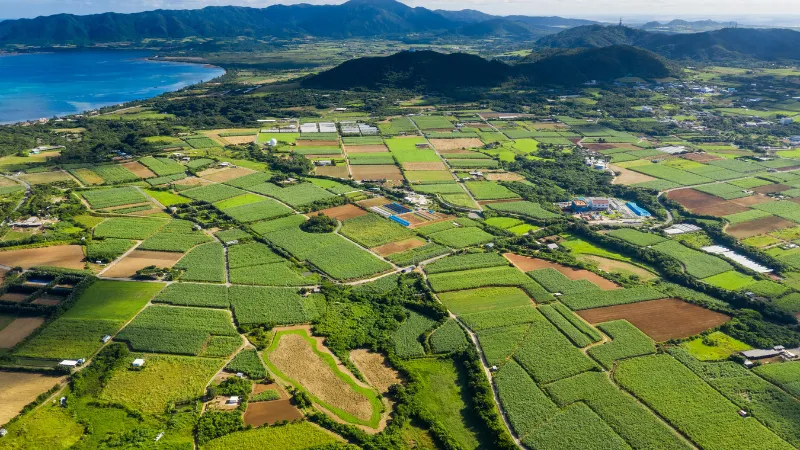
These regions were not chosen by chance. Pineapples grow particularly well in acidic, well drained soils, which are characteristic of certain areas of Okinawa. In the northern part of the main island and on several islands, there is a local red soil known as Kunigami maaji, which is recognized for its suitability for this type of cultivation.
In addition to these soil conditions, Okinawa’s subtropical climate, constant warmth, strong sunlight, and marine breezes all play an important role. Together, these factors promote slow and complete fruit maturation, with pineapples often harvested at a more advanced stage than many imported pineapples.


Since when has pineapple been cultivated in Okinawa?
Local sources place the arrival of pineapple in Okinawa in the second half of the 19th century. According to a story often repeated, pineapple plants were introduced to Ishigaki following the shipwreck of a Dutch vessel near the island. The first plantations then developed around Kabira Bay.
On the main island of the Ryūkyū archipelago, pineapple cultivation was established more gradually. Over the decades, more organized agriculture appeared, followed by a period of production oriented toward processing, notably canning. This model, which was widespread in the 20th century, later evolved toward production more focused on table fruit and quality.
The municipality of Higashi clearly illustrates this transition. Local authorities mention the beginning of pineapple cultivation in the early 1950s, with trial plantations. These trials proved successful and later led to more extensive cultivation in the region.

The different pineapple varieties in Okinawa
On site, production relies on several distinct varieties, each with its own texture, aroma, and harvest calendar.
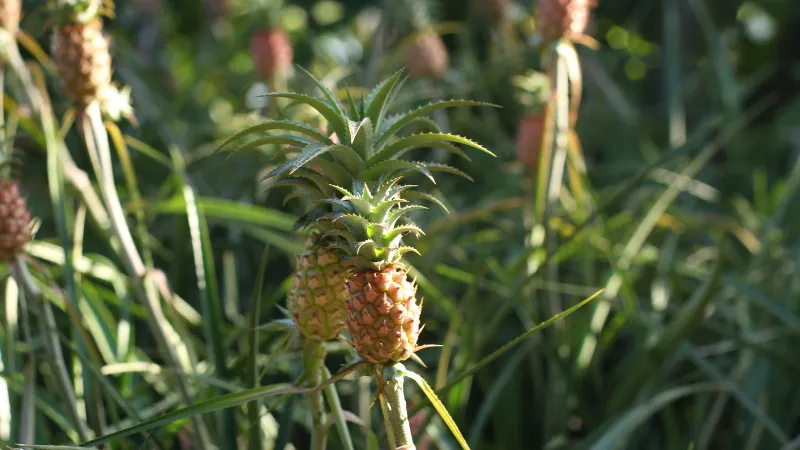
In the northern part of the main island, particularly in the municipality of Higashi, local sources mention the cultivation of many types of pineapple. Among the best known are N67-10, often associated with the Smooth Cayenne group, Juliostar, Bogor, also called snack pineapple, Soft Touch or peach pineapple, Cream Pine sometimes nicknamed milk pineapple, as well as the Honey Bright, Gold Barrel, and Yugafu varieties.
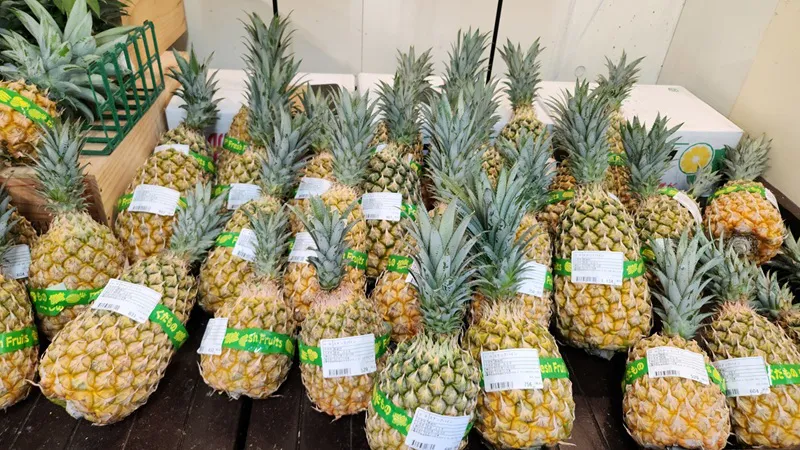
A few simple reference points to understand:
- N67-10: a major variety in Okinawa, with a sugar acidity balance that is often appreciated, and official recognition through varietal registration in Japan.
- Bogor (ボゴール, “snack pineapple”): a very popular characteristic variety, the “segments” can be detached by hand, and the core is more tender than in many classic pineapples.
- Soft Touch (ソフトタッチ, “peach pineapple”): known for an aroma reminiscent of peach, lighter colored flesh, and marked sweetness, with a short season.
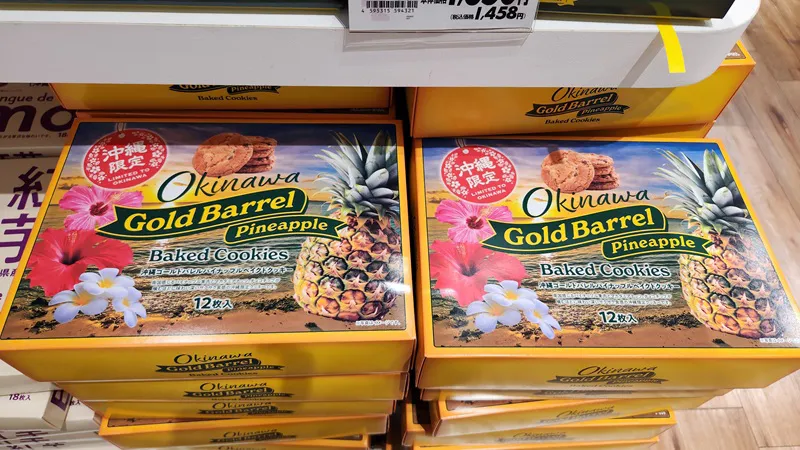
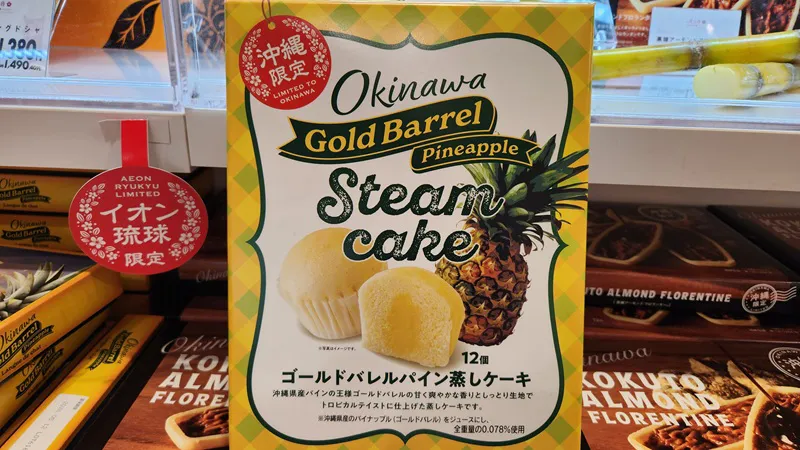
- Gold Barrel (ゴールドバレル): a premium variety registered in Japan, known for its large size and very sweet profile according to producers.
The season, and why it varies between the islands
In Okinawa, pineapple is often associated with the warm season. In reality, harvest periods vary depending on the regions and the varieties grown.
In the Yaeyama archipelago, some varieties arrive earlier in the year. In Ishigaki, for example, peach pineapple is generally harvested from spring to early summer. On the main island, this same variety is harvested a little later, due to slightly different climatic conditions.
In the northern part of the main island, production calendars also show well defined periods depending on the varieties. Pineapples considered premium, such as Honey Bright or Gold Barrel, are often harvested in summer and at the very beginning of autumn. Other types, on the other hand, may be available over a longer period, depending on agricultural practices and cultivation methods.
How Okinawa puts it on the plate
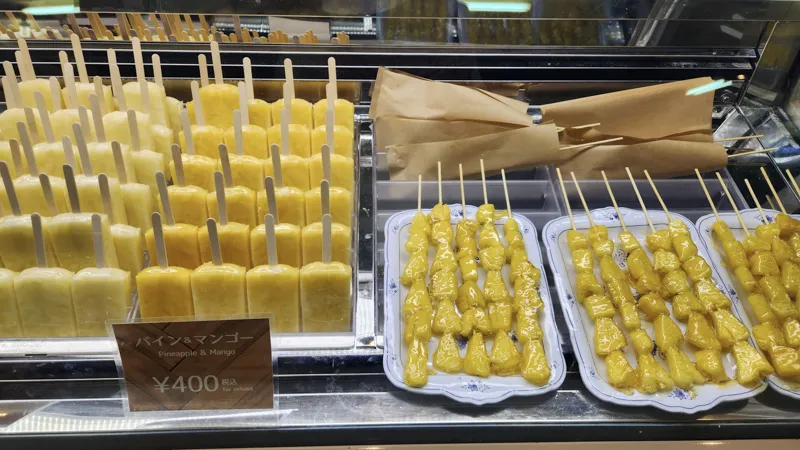
Pineapple is of course eaten fresh, and this is often the best way to appreciate local varieties harvested at full maturity. But there is also a whole world of processing: 100 percent juice, jams, desserts, and tourist products.
In the north, for example, there are workshops and sales points highlighting pineapple based products, including juices made from local fruit.
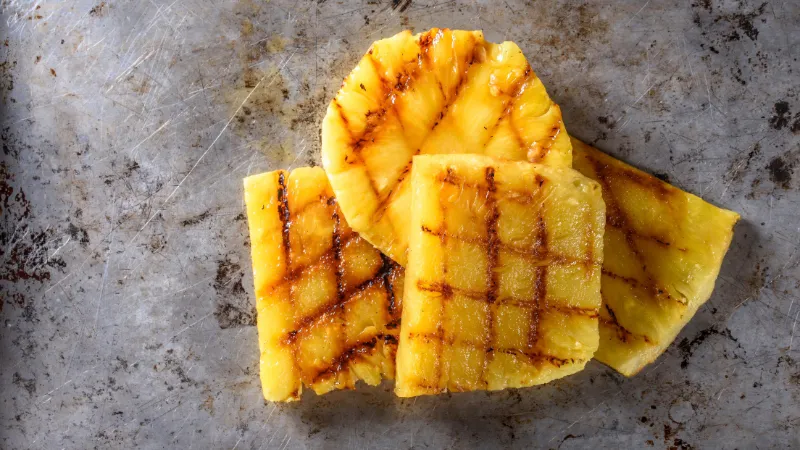
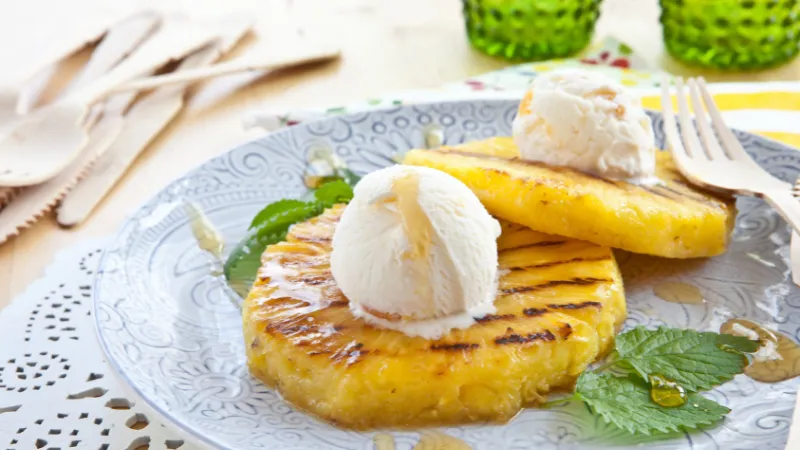
On the cooking side, Okinawan pineapple lends itself very well:
- in jam (also useful for topping yogurt, pancakes, toast)
- in tarts or creamy desserts, where its acidity balances dairy products
- as a drink, simply as juice, or diluted with sparkling water
To illustrate the popularity of desserts, there are Japanese recipes centered on pineapple jam and pineapple tarts, showing very common use in everyday pastry making.
Benefits, nutrition, and simple precautions
Okinawan pineapple is appreciated for its vitamin content and aromatic compounds. Japanese explanations highlight the presence of vitamin C, as well as B group vitamins including B1, often associated with energy metabolism, and the value of fresh fruit in a balanced diet.
There is also frequent mention of an enzyme: bromelain (ブロメライン). The Japanese Ministry of Health, through an integrative medicine information resource, describes bromelain as a group of enzymes present in the fruit and the stem of the pineapple.
Ministry of Health, Labour and Welfare eJIM Integrative Medicine Information Site
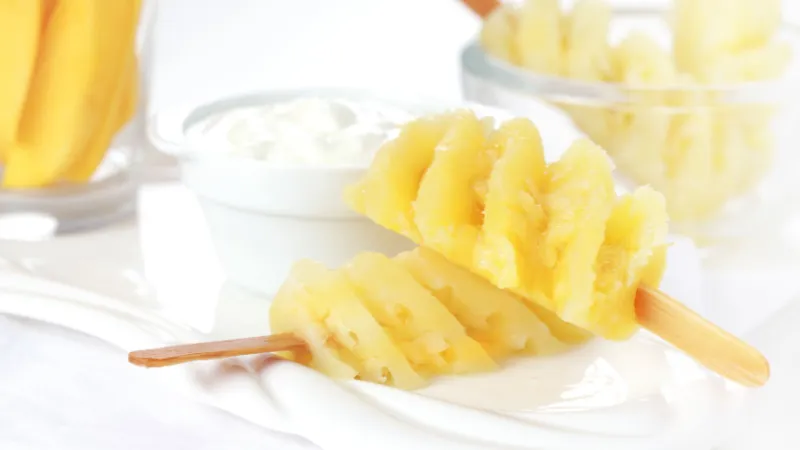
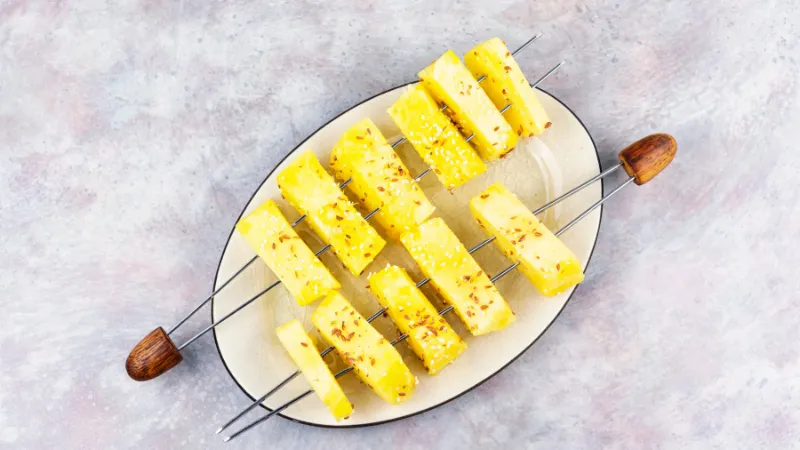
Regarding precautions: pineapple can irritate some sensitive mouths, especially when consumed in large quantities. And since it is sweet, the idea is not to consider it a miracle food, but a pleasure fruit, interesting when it replaces a more processed dessert.
An agricultural symbol that had to reinvent itself
Okinawan pineapple experienced a period of strong expansion in the 20th century, notably linked to processing.
A Japanese source mentions a production peak around 1969, followed by a strong long term decline, which explains the more recent orientation toward high value added table varieties and agricultural tourism.
Tips for choosing an Okinawan pineapple
A few practical criteria, adapted to local varieties:
- Aroma: a ripe fruit smells good, even without being cut.
- Weight: at the same size, a heavier fruit often means more juice.
Variety:
- if you see “スナックパイン” (Bogor), expect an easy tasting by hand
- if you see “ピーチパイン” (Soft Touch), it will be more aromatic and often more delicate.
Pineapple based alcohol in Okinawa
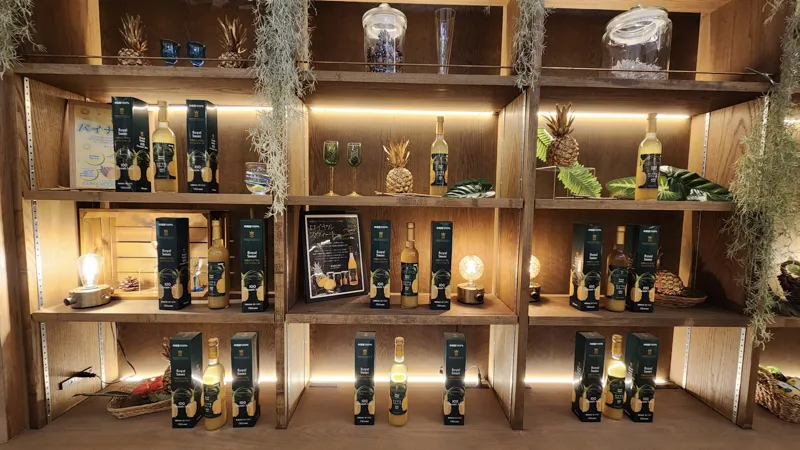
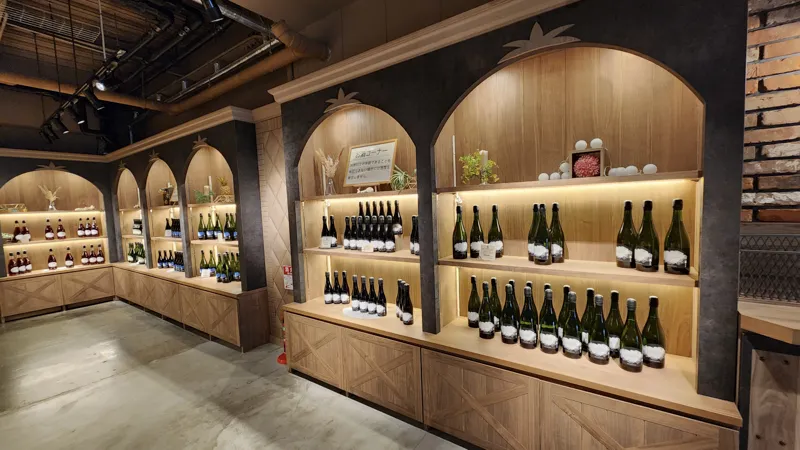
Beyond fresh fruit, Okinawan pineapple is also used in the production of local alcoholic beverages. Some distilleries and artisanal workshops offer pineapple based liqueurs, sometimes made from fruits that are too ripe for direct sale but perfect for processing.
These alcohols are generally mild and fruity, with natural sweetness balanced by the acidity of the pineapple. They are often produced in small quantities and intended for the local market or for visitors. They are found in the form of liqueurs, sometimes associated with awamori, Okinawa’s traditional alcohol, in pineapple flavored blends.
These products fit into a logic of full use of the fruit, limiting waste and creating original regional specialties that are highly appreciated as gastronomic souvenirs.
Pineapple as a visual and cultural symbol
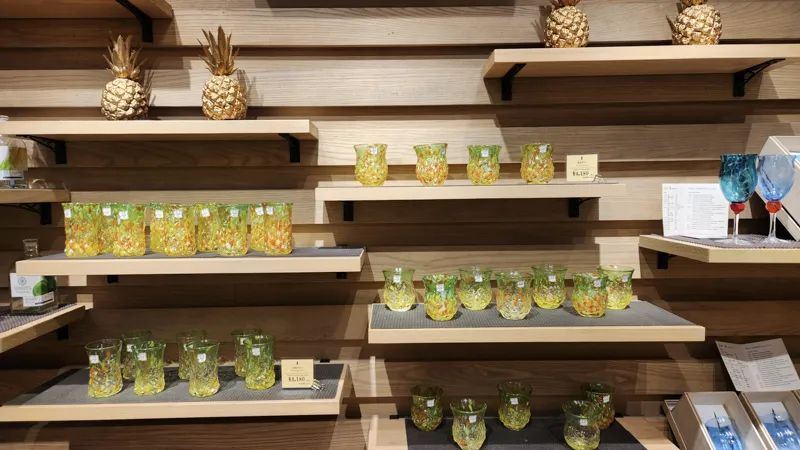
In Okinawa, pineapple goes far beyond its status as an agricultural product. It has become a strong visual symbol, immediately recognizable, used in many everyday objects and artisanal products.
Pineapple can be found printed or stylized on T shirts, caps, summer hats, as well as on costume jewelry such as earrings, pendants, and bracelets. Its graphic shape, simple and cheerful, lends itself particularly well to colorful creations, often associated with the tropical and relaxed image of the archipelago.
Pineapple also appears on more unexpected accessories, such as sunglasses, bags, towels, or stationery items. It embodies a summer and local aesthetic, very present in tourist areas but also in certain markets and craft shops.

Pineapple in gourmet foods and personal care products
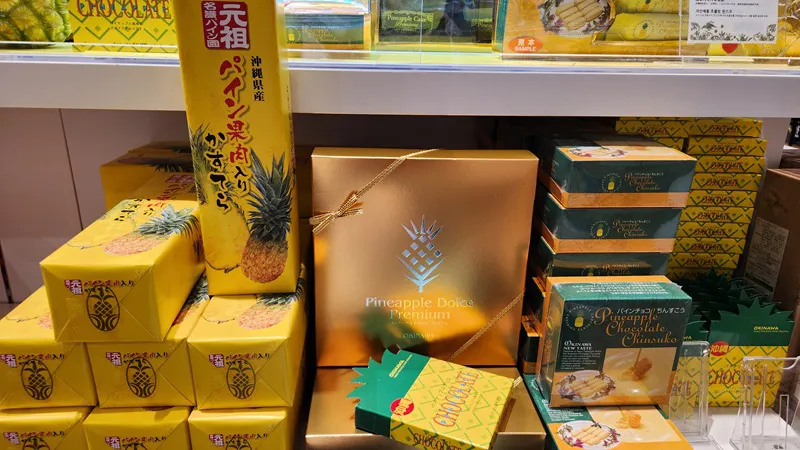
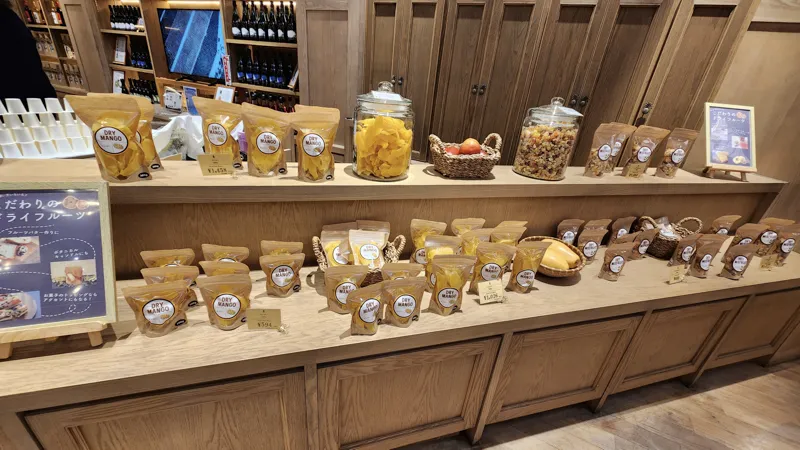
The world of pineapple in Okinawa also extends to gourmet foods and high quality processed products. Many pineapple based food items are available, designed as gifts or gourmet souvenirs.
Among them are natural flavorings for baking, syrups, confectionery, biscuits, soft cakes, as well as candies and chocolates flavored with pineapple. These products often highlight the local origin of the fruit, with particular care given to packaging.
Pineapple is also used in some personal care and cosmetic products. Thanks to its image associated with freshness and vitality, it is included in soaps, shower gels, creams, or masks, where its exotic scent plays a central role. These products, widely found in specialized shops, contribute to the creation of a sensory identity specific to Okinawa.
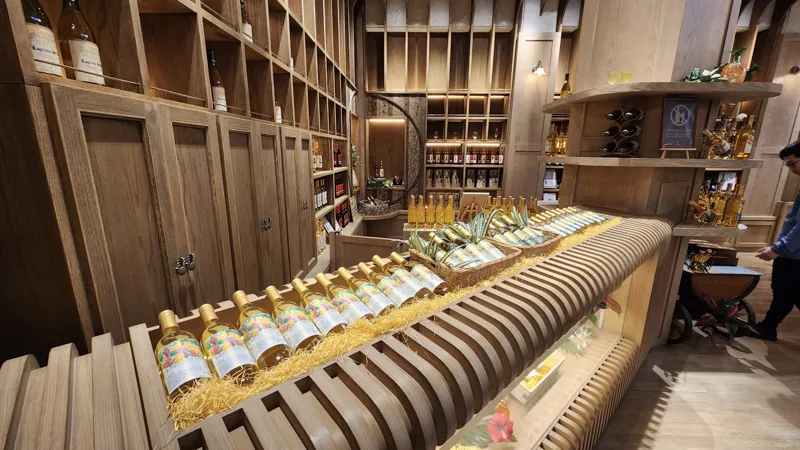
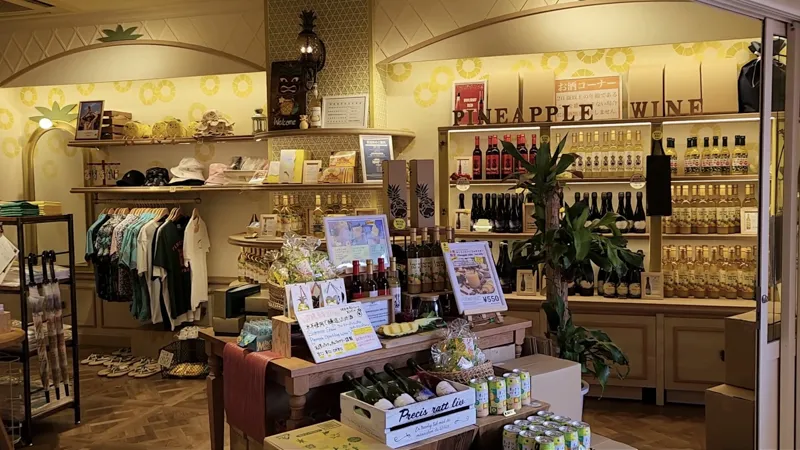
Pineapple Pineapple Y, an emblematic address
Among the places associated with pineapple culture in Okinawa, Pineapple Pineapple Y holds a special place in the local and tourist imagination. This shop, easily recognizable by its colorful and bold visual universe, places pineapple at the center of its identity, both in the products offered and in the decoration.
There is a wide selection of pineapple based specialties, ranging from sweet treats and local pastries to processed products intended for gourmet food shops. Pineapple is presented in the form of cakes, biscuits, confectionery, as well as fruit based alcoholic beverages, designed as typical gourmet souvenirs of Okinawa.
Pineapple Pineapple Y is not limited to food, as the shop also offers many pineapple inspired objects and accessories, reflecting its status as a tropical symbol of the archipelago. The place perfectly illustrates how Okinawa has transformed an emblematic fruit into a commercial and cultural experience, combining visual pleasure, indulgence, and local identity.

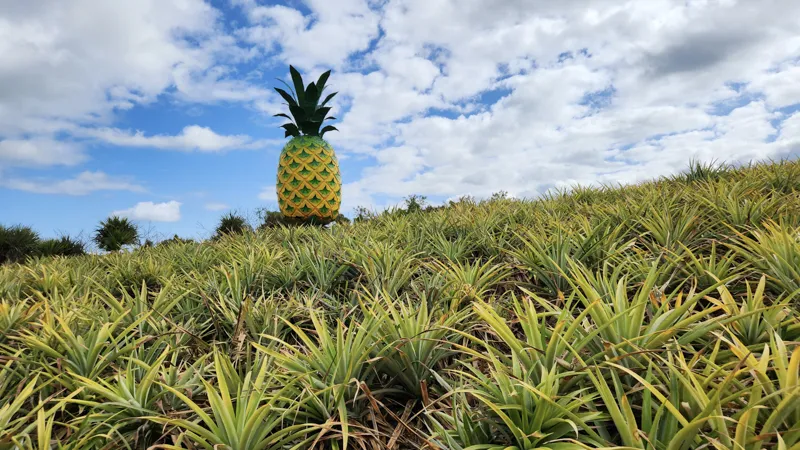
The famous Nago Pineapple Park
It is impossible to talk about pineapple in Okinawa without mentioning the very popular Nago Pineapple Park. Located in the northern part of the main island, this theme park entirely dedicated to pineapple has become a must visit place for tourists.
The site offers an immersive route through plantations, tropical gardens, and playful areas, often explored aboard small automated vehicles. The experience is deliberately accessible to everyone, including families with children, and presents pineapple in all its forms.
At the exit, a large shop allows visitors to discover an impressive variety of pineapple based products: food, drinks, alcohol, cosmetics, souvenirs, and decorative items. This place perfectly illustrates how Okinawa has transformed an agricultural production into a true tourist and cultural experience.
A fruit that has become a local identity
Through agriculture, gastronomy, crafts, and tourism, pineapple has established itself as an identity marker of Okinawa. It symbolizes both the subtropical climate, local ingenuity, and the ability of the archipelago to promote its resources in a creative way.
Whether enjoyed fresh, transformed into alcohol, printed on a T shirt, or made into a sweet treat, pineapple tells a story deeply linked to Okinawa. A story shaped by red soils, sunshine, agricultural traditions, but also innovation and openness to visitors from all over the world.
Japanese and Okinawan cuisine to discover
If you are interested in Japanese and Okinawan cuisine, a category dedicated to recipes is currently being developed on this blog. You will gradually find everyday dishes, family recipes, and preparations inspired by local cuisine, explained in a simple and accessible way. The first contents are already available, with more to come over time.
To complement these written articles, a YouTube channel dedicated to Japanese and Okinawan recipes has also been launched. It offers cooking videos that make it easier to see the gestures, textures, and preparation steps, for a more concrete and visual approach to Japanese and Okinawan cuisine.
Texts, images and videos © Japan Okinawa Daily Life
Copying, downloading and reuse prohibited without permission