Okinawa World is one of the most iconic sites on the main island. More than just a park, it is a true journey into the heart of the traditions, nature, and heritage of the Ryukyu Kingdom. Located south of Naha, this immersive place appeals to both families and Japanese culture enthusiasts thanks to its diverse activities, artisans, spectacular cave, and warm atmosphere.
Activities for the whole family
The park was designed to be accessible to all ages. Families particularly appreciate the variety of experiences:
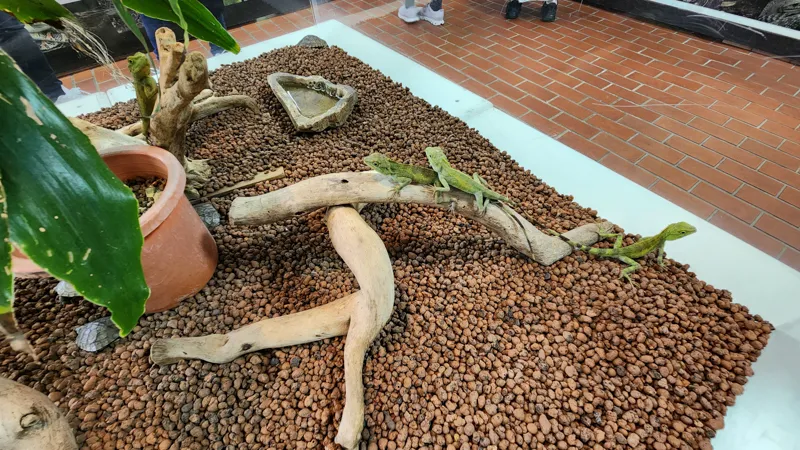
- observation of local reptiles
- specialty shops
- Okinawan snack stands
- photo areas
- shaded zones and easy paths
It is an enjoyable visit to discover several aspects of Okinawa in just a few hours.
Gyokusendo Cave, a natural treasure
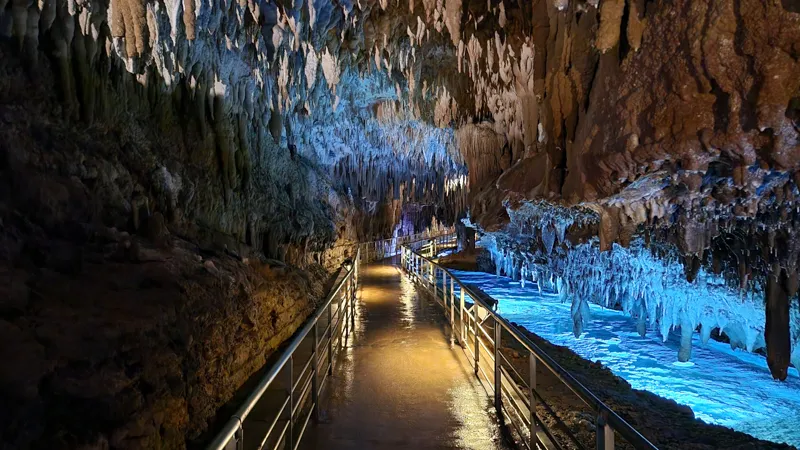
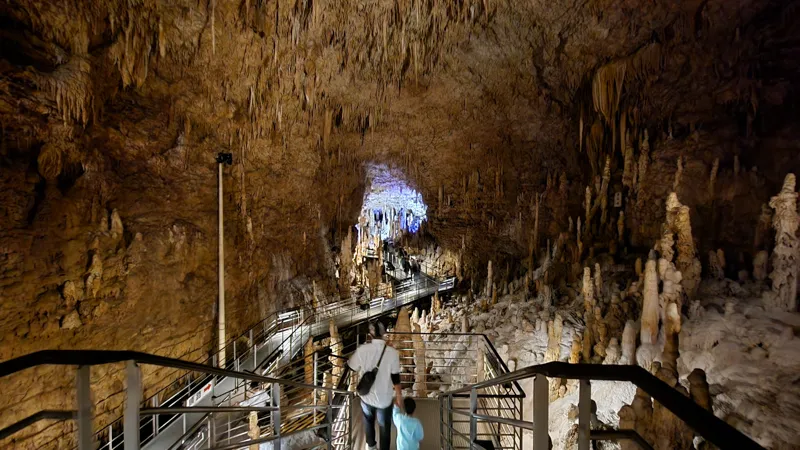
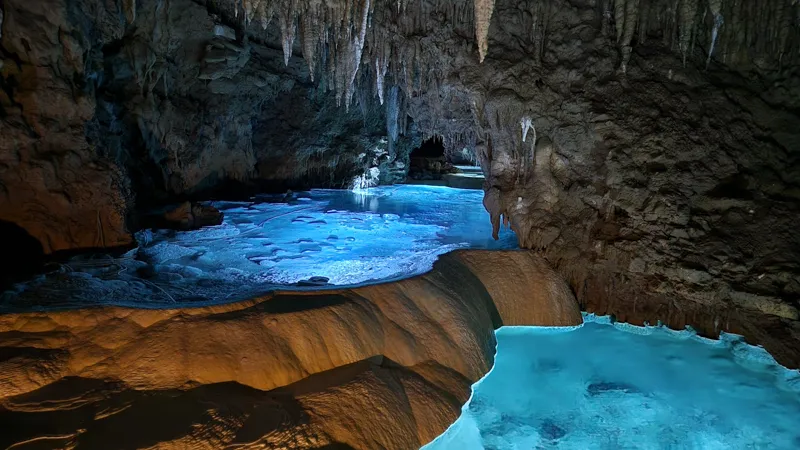
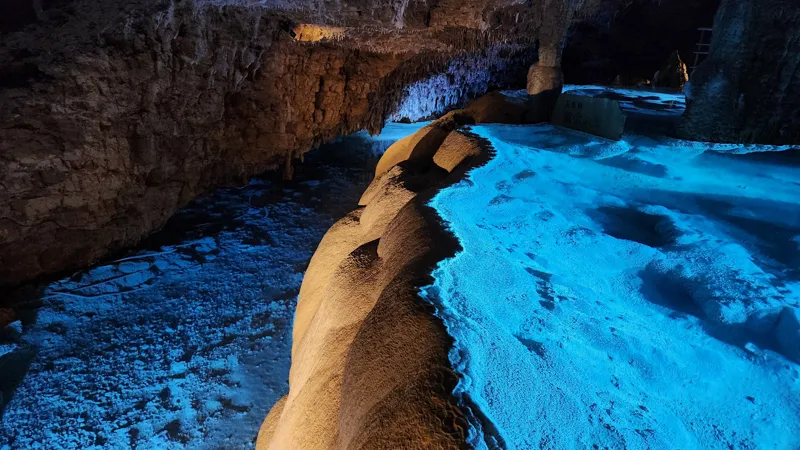
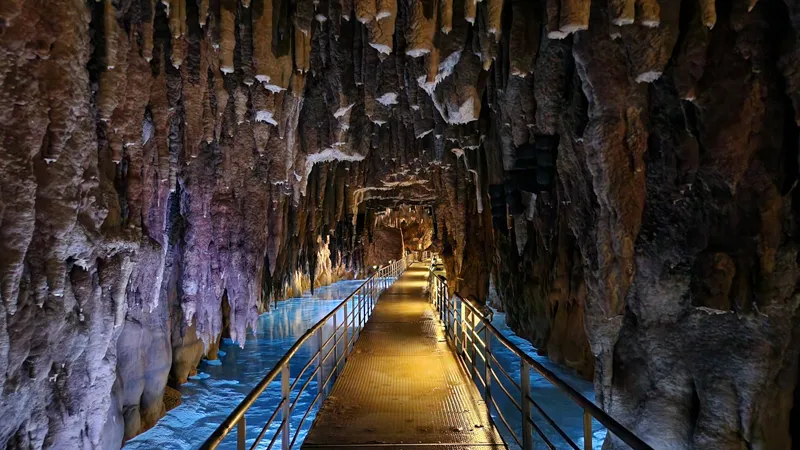
Okinawa World is home to one of the most impressive limestone caves in Japan: Gyokusendo Cave, an underground network over 300,000 years old. With nearly 5 kilometers of galleries, only part of which is open to the public, it reveals a spectacular mineral world made of giant stalactites, limestone formations sculpted by time, and subtle lighting that enhances the depth of the site.
Entry into the cave is via a long staircase that descends into the depths of the earth. From the very first steps, one is struck by the unique atmosphere of the place.
A stable temperature throughout the year, neither cold nor hot, but very high humidity that envelops the entire path.
Drops of water regularly fall from the ceiling, so wearing a cap or hat is useful to avoid small surprises on the head.
Due to condensation, some areas may be slightly slippery, and sports shoes are strongly recommended to walk safely.
The developed path winds beneath a large part of the park and offers a fascinating view of nature’s power. The stalactites, sometimes monumental, hang from the ceiling like giant columns while stalagmites slowly rise from the ground, some almost ready to meet.
Visitors, both children and adults, often leave amazed by this almost unreal experience, a deep immersion into one of Okinawa’s most remarkable geological treasures.
Tropical orchard and fresh fruit tasting
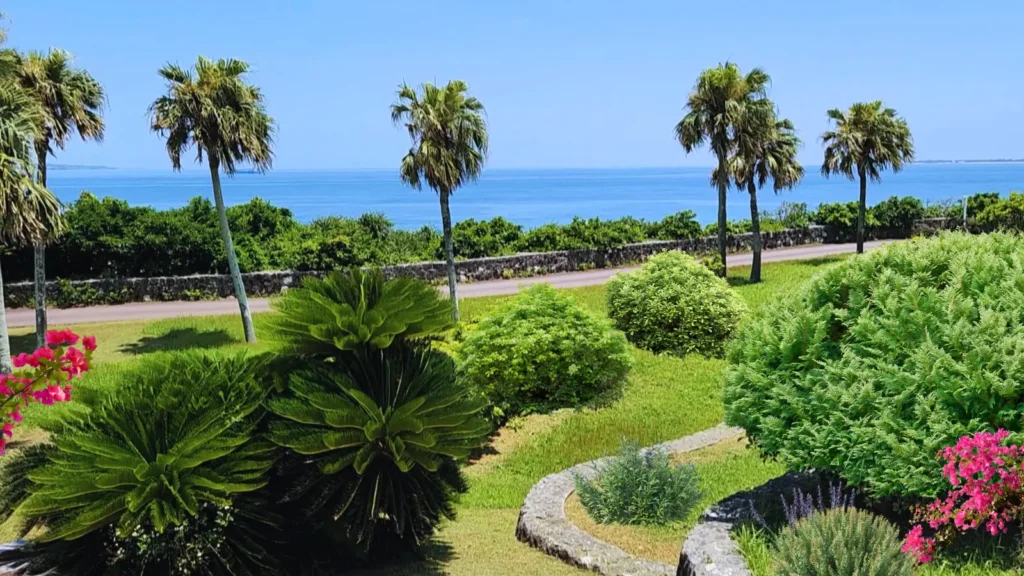
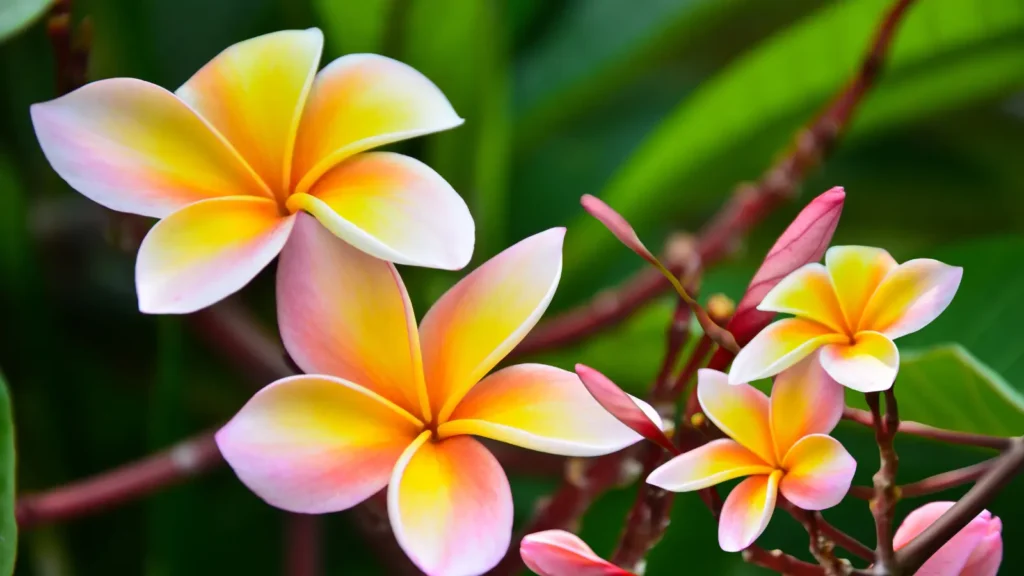
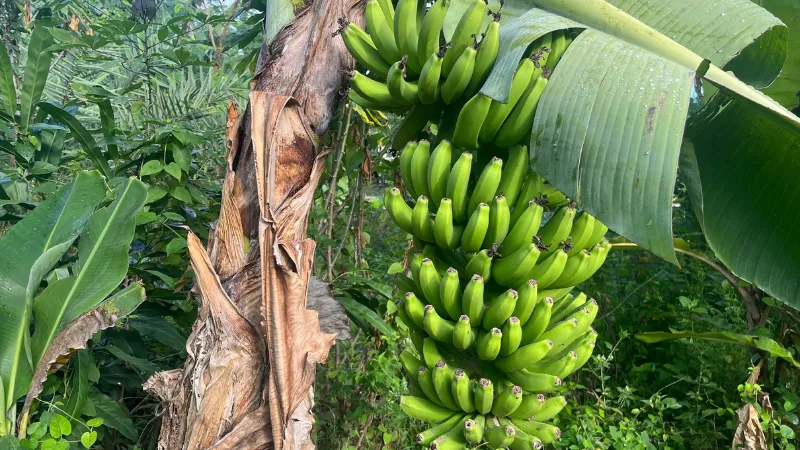
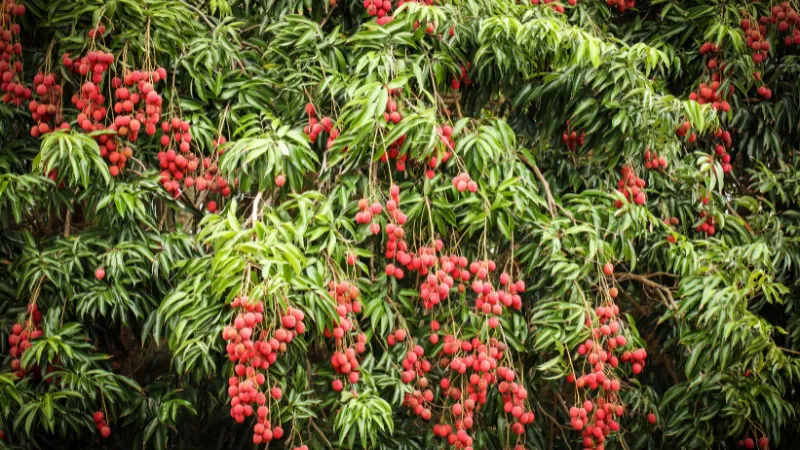
Beyond the cave and the traditional village, Okinawa World also offers a lesser-known yet very pleasant area: the Tropical Orchards. This open-air space brings together an impressive variety of subtropical plants typical of Okinawa. You can find fruit trees such as shikuwasa, papaya, guava, local bananas, as well as exotic flowers and many aromatic species.
The walk takes place along small paths surrounded by dense vegetation, offering a refreshing nature break after the humidity of the cave. Birds can sometimes be heard singing, and it is not uncommon to spot butterflies attracted by the colorful flowers lining the trail.
The Tropical Orchards also help visitors better understand local agriculture and the botanical richness of the island. Signs explain the culinary and medicinal uses of certain plants, providing insight into traditions that remain deeply rooted in Okinawan homes.
It is an ideal spot for taking photos, breathing in the tropical air, and enjoying a peaceful moment in the heart of nature. Families enjoy this area because it is accessible, partly shaded, and perfect for slowing down before continuing the visit through the park.
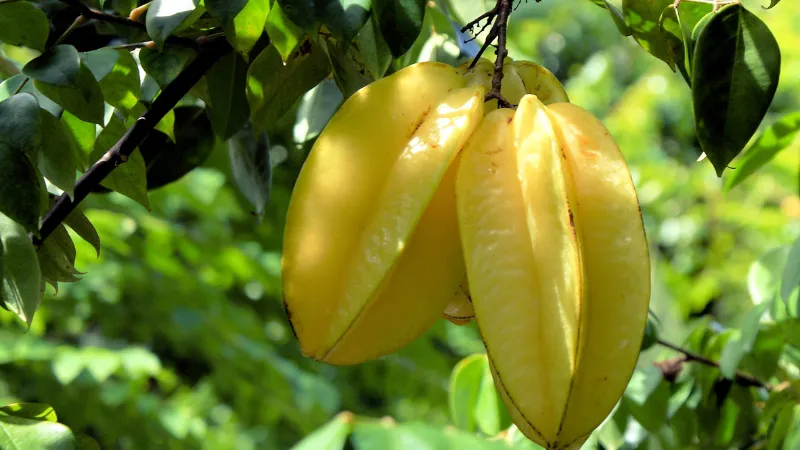
The walk through the Tropical Orchards of Okinawa World usually ends in a pleasant tasting and refreshment area where visitors can enjoy fresh products from the park’s subtropical vegetation.
After observing and learning to recognize fruit trees such as mango, papaya, banana, or guava, visitors are invited to take a gourmet break at a stand offering cut pineapple, fresh fruit juices, smoothies, and frozen desserts made with local fruits.
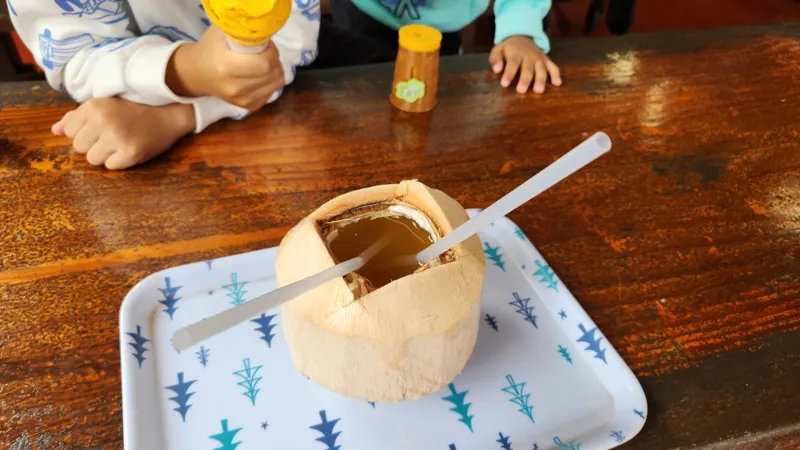
One can find, for example, mango or guava drinks, tropical fruit shaved ice, as well as cups of freshly cut fruits. Sometimes, coconut juice is also served directly in the fruit with a straw, a refreshing experience much appreciated during Okinawa’s hot days.
These refreshments are perfect for concluding the orchard visit, combining local flavors with a relaxing moment under the tropical trees. The drinks and desserts highlight the fruit richness of the region and offer a delicious way to extend the park’s sensory experience.
The Awamori distillery
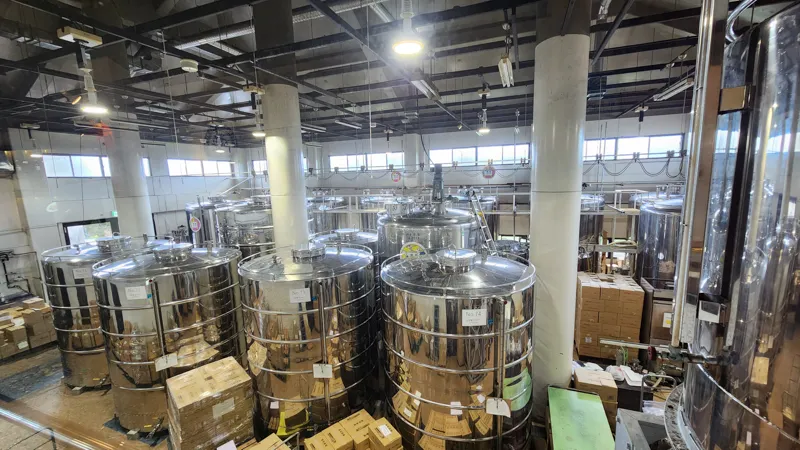
Okinawa World has its own distillery where visitors can discover Awamori, Okinawa’s iconic alcohol. The entire production process is explained, from rice imported from Thailand to aging in jars. Even if you do not drink alcohol, the visit is interesting as it reveals an essential part of the island’s local culture and culinary traditions.
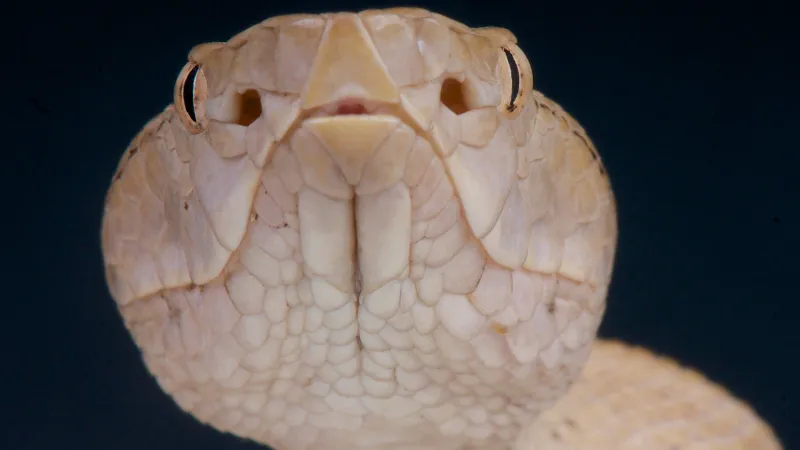
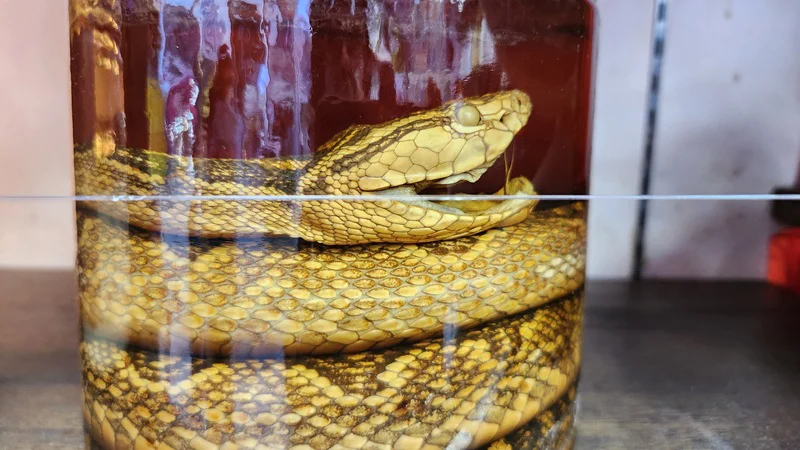
The distillery at Okinawa World does not limit itself to presenting the steps of Awamori production. It also offers a more surprising discovery: Habu Sake, a local liqueur infused with a venomous snake called habu.
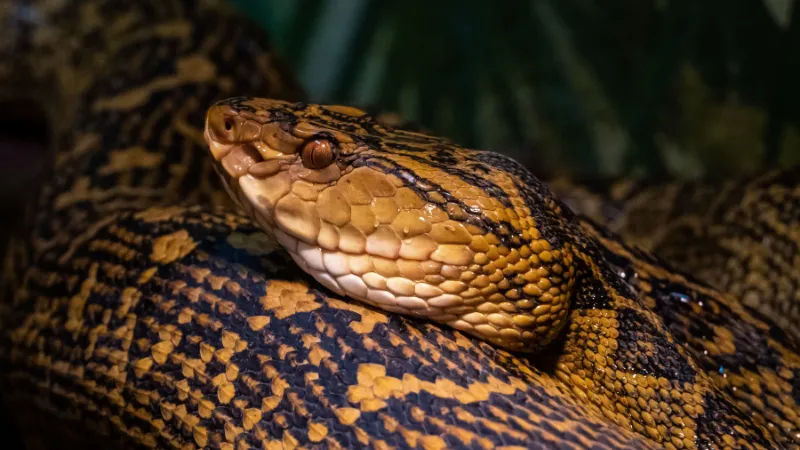
The Habu is a viper endemic to Okinawa, related to the pit viper, known for its very long fangs and powerful venom.
Of course, in the production of Habu Sake, the venom is neutralized and the alcohol serves as a preservative. The infusion creates a strong liqueur with a pronounced taste, often considered invigorating and associated with vitality in local culture.
For around 500 yen, visitors can take part in a guided tasting session, allowing them to discover this iconic drink in safe conditions. Habu Sake is usually made by macerating the snake in Awamori for several months or even several years.
The result is a strong alcohol, slightly herbal and sometimes sweet depending on the version. It is a unique cultural experience, typical of Okinawa, and not found anywhere else in Japan. The most curious visitors can even purchase a small bottle as a souvenir, although the version containing the whole snake may surprise the less prepared.
Shows and Living Traditions at Okinawa World
Several times a day, Okinawa World offers performances inspired by local traditional arts. Eisa dances, taiko drumming, and cultural demonstrations punctuate the visit and allow visitors to appreciate the festive energy unique to the archipelago. These shows bring legends and customs to life while creating memorable moments for visitors.
Enthusiasts can taste different varieties and leave with a unique bottle as a souvenir.
The Habu Museum, small but rich in information
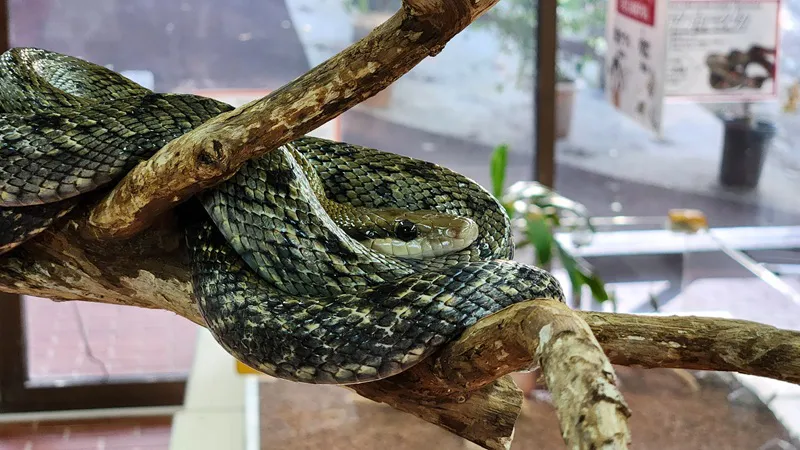
The Habu Museum at Okinawa World is modest in size but very rich in information about the island’s snakes, especially the famous Habu. This museum presents the ecology, behavior, and characteristics of this viper endemic to Okinawa, known for its powerful venom and cultural importance.
Informational panels, display cases, and sometimes live specimens help explain how these snakes live in their environment, what they eat, and what precautions to take when living or hiking in rural areas of the island.
The museum also addresses the historical relationship between Okinawan people and the Habu, particularly its use in the production of Habu Sake. Despite its small size, the amount of information is impressive and makes the visit very educational for both children and adults.
An immersion into Ryukyu life
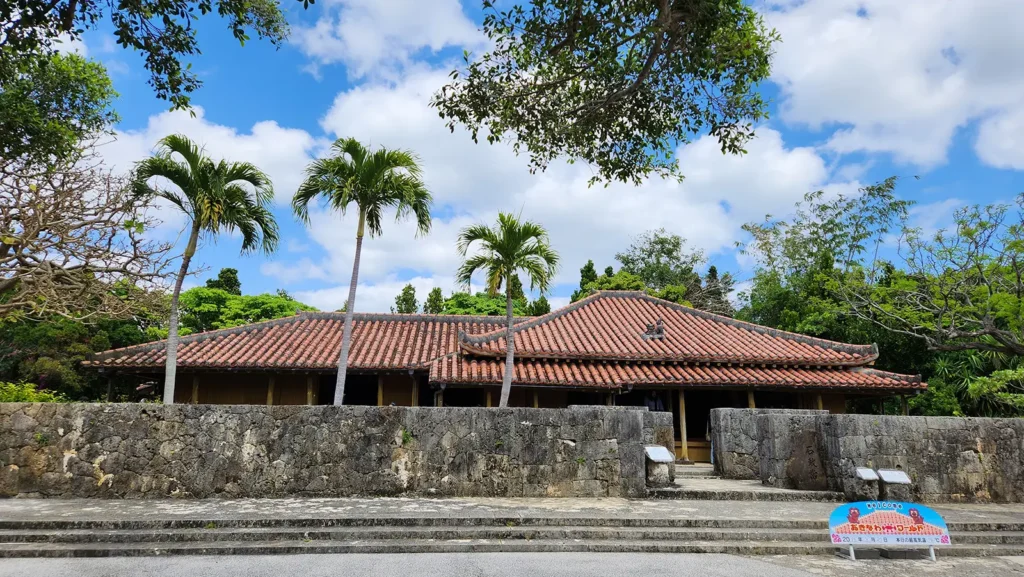
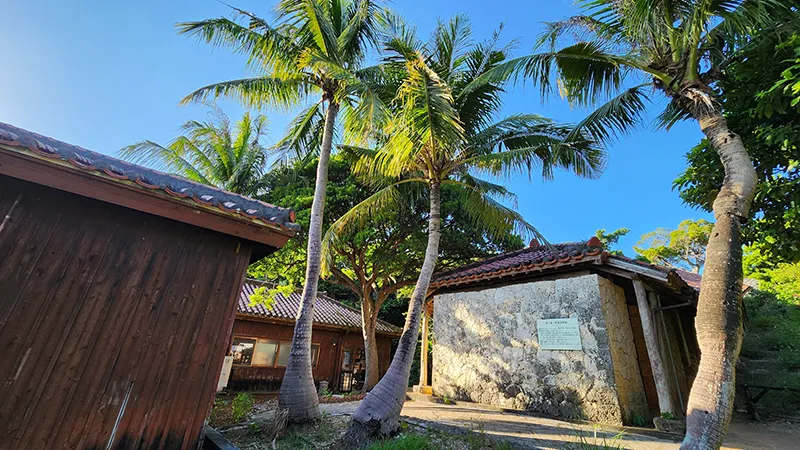
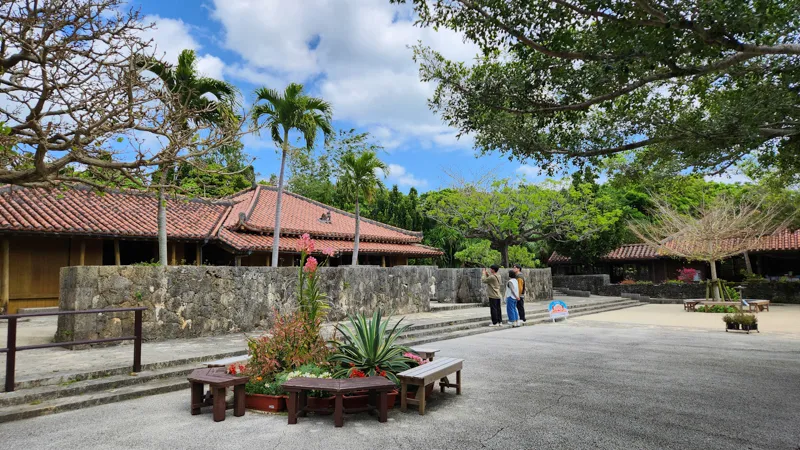
At the center of the park lies the Ryukyu Craft Village, a charming reconstruction of a traditional village. As you walk among the wooden houses with red roofs, you discover a variety of live workshops where artisans continue ancient skills. It is the perfect place to observe or try activities such as pottery, weaving, Bingata dyeing, or Ryukyu glasswork.
Each workshop tells a part of Okinawan culture. Visitors can take the time to chat, observe the movements of master artisans, and bring home an authentic handmade souvenir. A beautiful way to connect past and present.
Okinawa World offers a wide range of interesting activities guided by professional artisans who demonstrate each step before letting everyone create their own piece. The Bingata dyeing workshops are also very popular and allow participants to paint traditional patterns on fabric, a colorful experience typical of Okinawa.
It is also possible to extract a cultured pearl from an Akoya oyster and use that pearl to make a unique piece of jewelry to take home.
Note:
The Akoya pearl is a high-quality marine cultured pearl, appreciated for its exceptionally shiny surface often described as having a mirror-like luster. It is known for its very round shape and light tones ranging from bright white to ivory, sometimes with delicate pink overtones. It is produced in Japan and comes from the oyster Pinctada fucata.
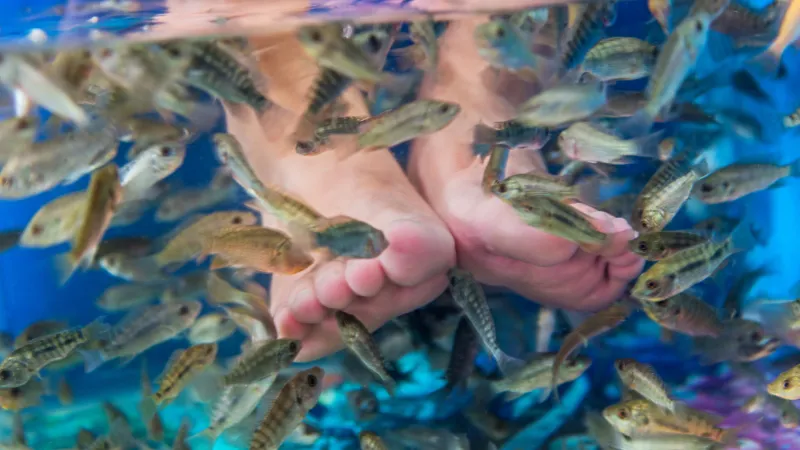

Fans of traditional crafts will also find happiness in pottery, weaving, or Japanese paper-making workshops. It is even possible to rent traditional Ryukyu costumes and walk around the village in period clothing, which creates especially photogenic pictures for Instagram. Visitors can also try leather craft and participate in a fish foot therapy session.
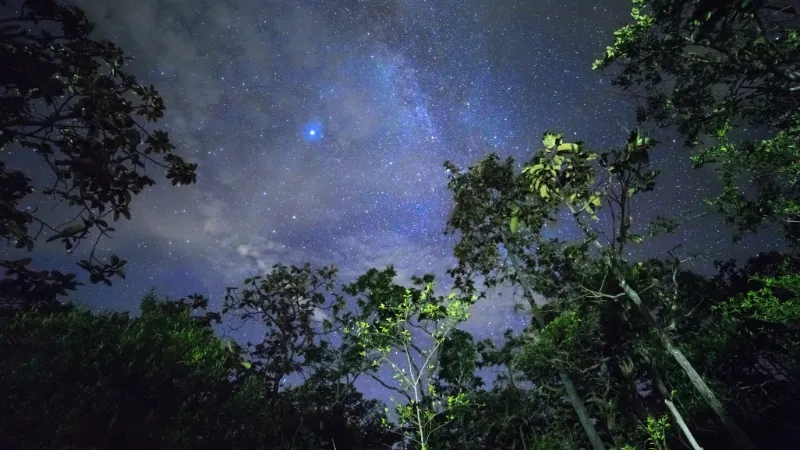
Night exploration in the Uwaga Jungle
In addition to the cultural and craft experiences of Okinawa World, visitors who enjoy wild nature can explore the Uwaga Jungle. It is a dense subtropical forest area, usually closed to the public but accessible through guided tours. The terrain is natural, with limestone rocks, valleys, streams, and thick vegetation that truly gives the feeling of entering a preserved jungle.
The experience is done in a small group, usually in the evening or at night, accompanied by a guide who knows the area well. After reaching the entrance by vehicle, the walk continues on foot along an uneven trail, with no natural lighting, which reinforces the mysterious atmosphere. You hear the sounds of the forest, feel the humidity, and gradually discover the richness of the local flora and fauna thanks to the guide’s explanations.
These excursions are suitable for people in good physical condition, ready to walk on sometimes slippery or rough terrain. A reservation is often required since the number of participants is limited. It is an ideal activity for those who want to experience something different from classic park visits, closer to nature and the raw landscapes of Okinawa.

Dining options inside Okinawa World
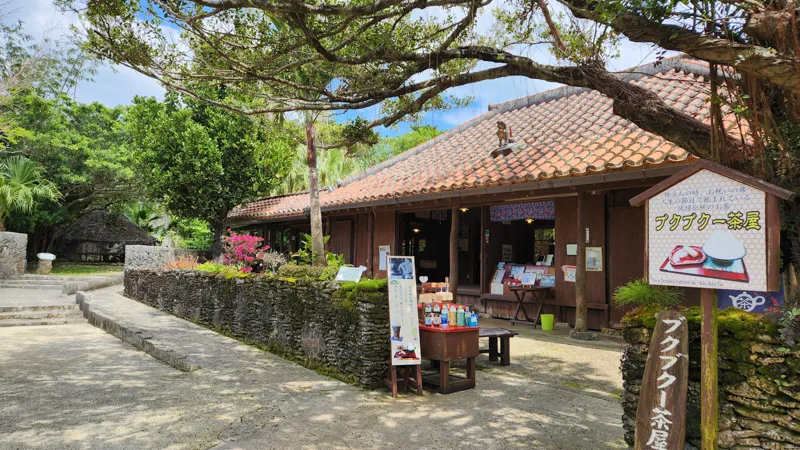
At the heart of Okinawa World, several options allow visitors to eat without leaving the site. Among them, the Buffet Restaurant Chura‑Shima offers a lunch buffet with a wide variety of dishes made from local Okinawan ingredients, perfect for tasting different regional specialties during a well-deserved break in the visit.
There is also Nantoya, a restaurant inside the park that serves simple and typical dishes, sometimes with options adapted to different dietary needs such as vegetarian dishes depending on availability.
In general, these places offer traditional Okinawan meals such as local soba, champuru, or other popular dishes, as well as drinks and snacks to regain energy between two activities. Visitors who wish to go a bit further can also find some cafés and drink or ice cream stands around the park for a refreshing break.
Why visit Okinawa World during your trip?
Okinawa World is a perfect summary of the island’s most precious features. In a single day, you explore a spectacular cave, meet artisans, attend traditional performances, and taste local cuisine. It is a rich, educational, and immersive place that helps visitors understand the unique cultural identity of the Ryukyu.
If you are traveling with family, it is one of the most suitable sites thanks to its organization, accessibility, and many activities. If you are passionate about culture, it is the ideal place to dive into the history of the archipelago.
Is Okinawa World a must-see?
If you are coming from far away, from Europe or the United States, Okinawa World is not necessarily the most “visually” spectacular site, except for its cave, which is truly impressive.
Although caves exist all over the world, the one at Okinawa World stands out for its size, layout, and unique atmosphere. But beyond the visual aspects, the park’s true value lies in the variety of cultural and natural experiences it brings together in one place.
What really makes Okinawa World special are the activities that can only be experienced in Okinawa. Here, you can try Bingata dyeing, a traditional coloring technique, taste local alcohols like Habu Sake, or make Japanese paper.
There are also more accessible craft experiences such as glassblowing, pottery, weaving, or extracting a cultured pearl to create a piece of jewelry to take home.
The park also offers insights into living culture through traditional Okinawan dance performances. And above all, for visitors seeking adventure, there is a truly unique activity: a guided night crossing of the Uwaga Jungle.
It is a rare experience, very different from classic attractions, and one that leaves a lasting impression on a trip.
These varied experiences create a complete immersion in the Okinawan world. For someone coming from far away, these activities offer direct contact with the island’s traditions, nature, and craftsmanship, which gives great value to the visit, provided you are willing to engage with them.


Rules regarding photos and videos
It is important to know that video recording is prohibited throughout the entire park. The official website clearly states this rule, and signs inside the park remind visitors in order to avoid disturbing others. Many people do not want to appear in videos taken by strangers, which can lead to uncomfortable situations. The park also chooses to protect and preserve the activities it offers, which is why videos intended for YouTube or social media are not allowed (except for local broadcast media).
Personal photos are allowed in areas where no sign forbids them, as long as the privacy of other visitors is respected and you avoid photographing people you do not know. During traditional dance or music performances, specific signs clearly indicate that neither photos nor videos are allowed, in order to respect the artists’ work and the cultural rights associated with these performances.
Even if you see other people taking out their phones, it is essential not to imitate them and to follow the park’s guidelines. This helps preserve the experience for everyone and respects the established rules. For the sake of compliance, this article contains no video, unlike most of the content I usually publish. Only personal photos taken in permitted areas accompany this presentation.



Texts, images, and videos © Japan Okinawa Daily Life
Copying, downloading, and reuse prohibited without permission