When we talk about Japanese cuisine, we often think of sushi, ramen and tempura. Yet, in the south of Japan, the Okinawa archipelago has a very different gastronomy, influenced by its tropical climate and by the heritage of the Ryukyu Kingdom.
This Okinawan cuisine is distinguished by its nutritional balance, the diversity of its vegetables, fish, seafood, and by a food philosophy linked to longevity. Okinawa’s specialties are the living proof of it.
The culinary identity of Okinawan cuisine
Japanese cuisine as practiced in Okinawa is based on simple principles: valuing local ingredients and preserving their nutritional qualities. According to the Okinawa Prefecture website, Ryukyu Ryori (琉球料理) combines Japanese and Chinese influences while maintaining its own identity.
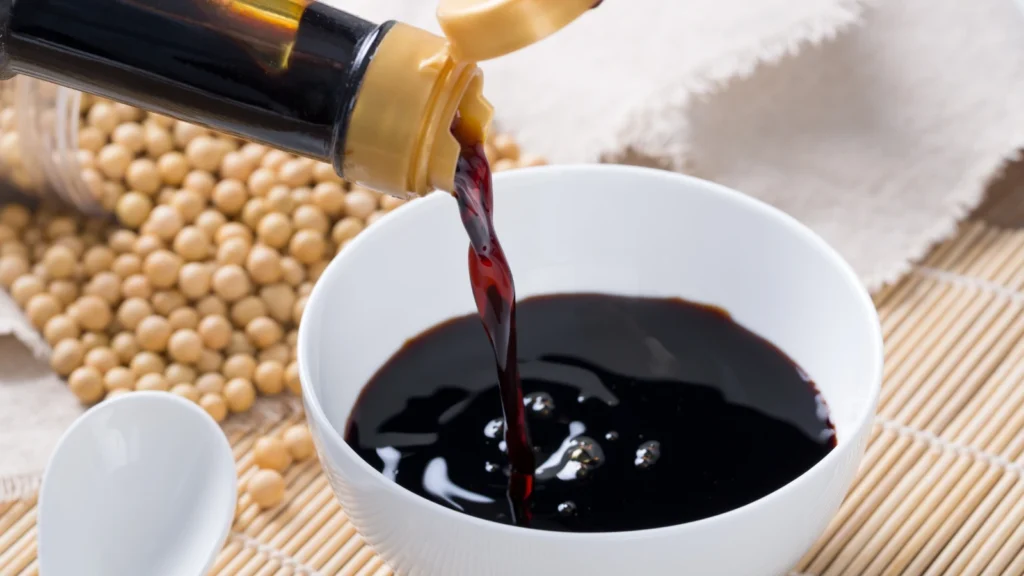
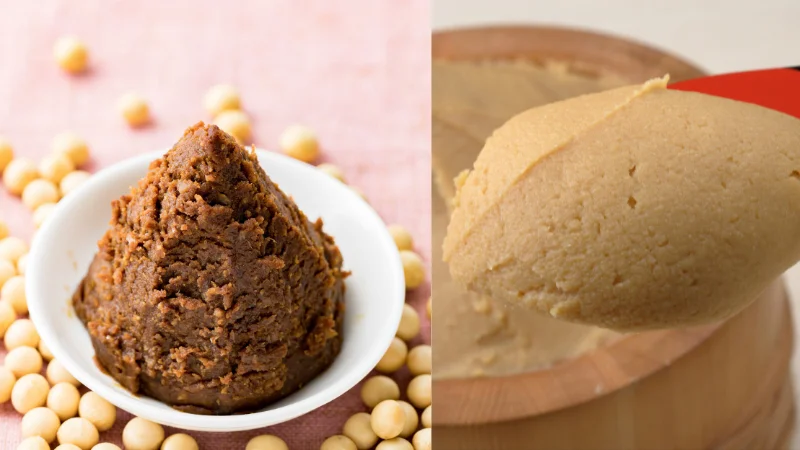
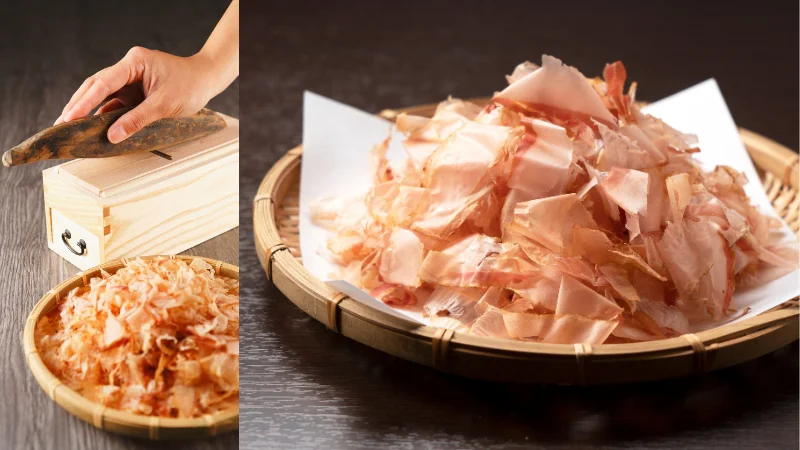
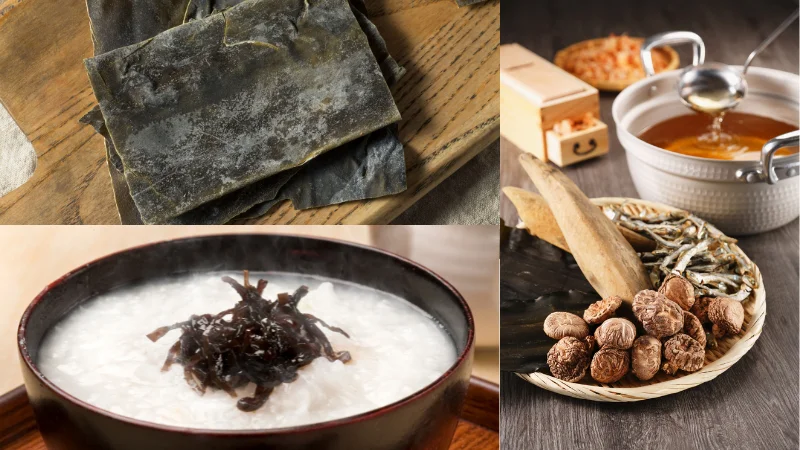
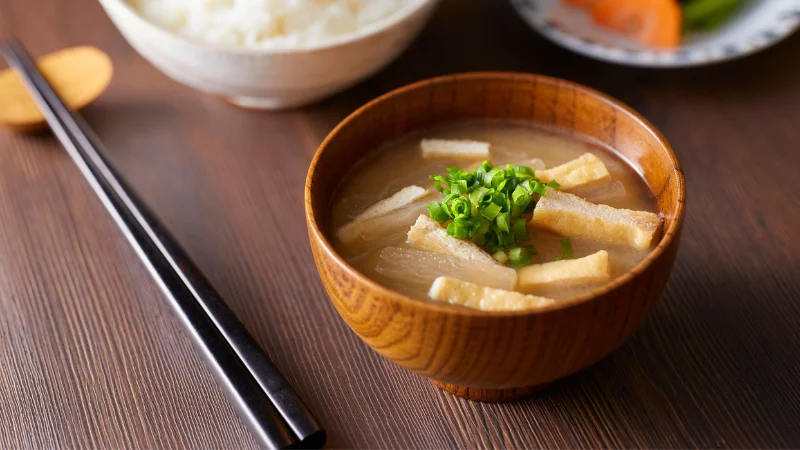
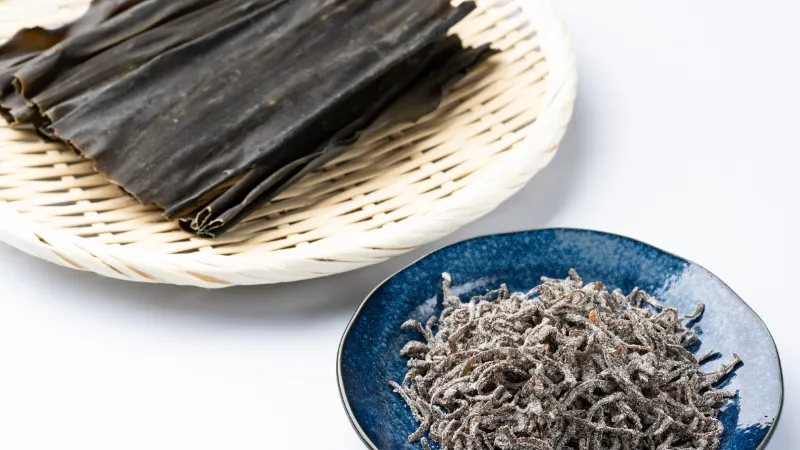
The dishes are often simmered, sautéed or steamed rather than fried. The seasonings are light: Bonito broth (Katsuobushi), Kombu seaweed, natural salt and local Miso. This cooking method reduces fat content and preserves essential nutrients.
Okinawan cuisine is thus both simple, colorful and deeply rooted in nature. It reflects a balance between sea, mountains and tradition.
Vegetables and seaweed
Vegetables are at the heart of Okinawan gastronomy. The warm climate allows the cultivation of many endemic species grouped under the name “Shima-Yasai” (島野菜), which means “island vegetables”.
Among the best known:
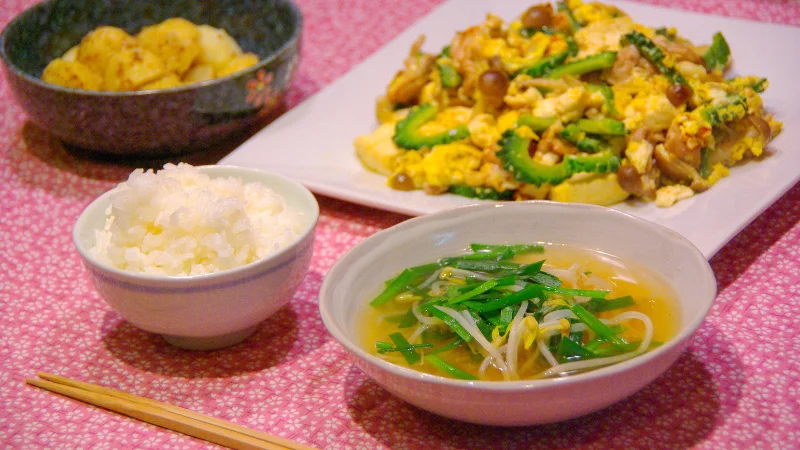
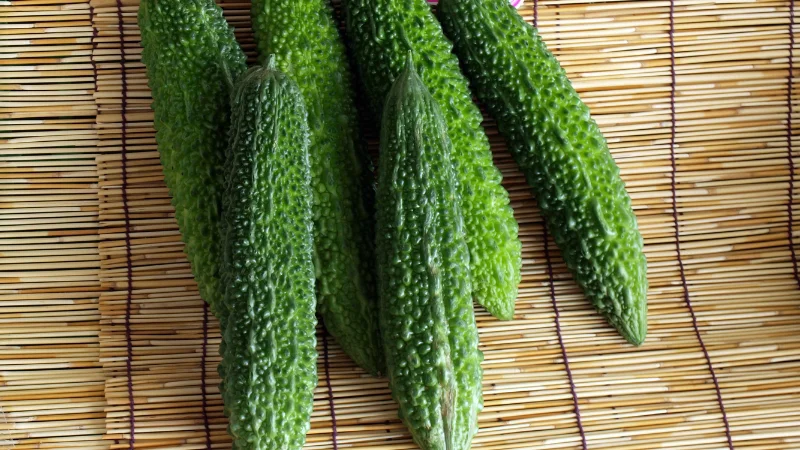
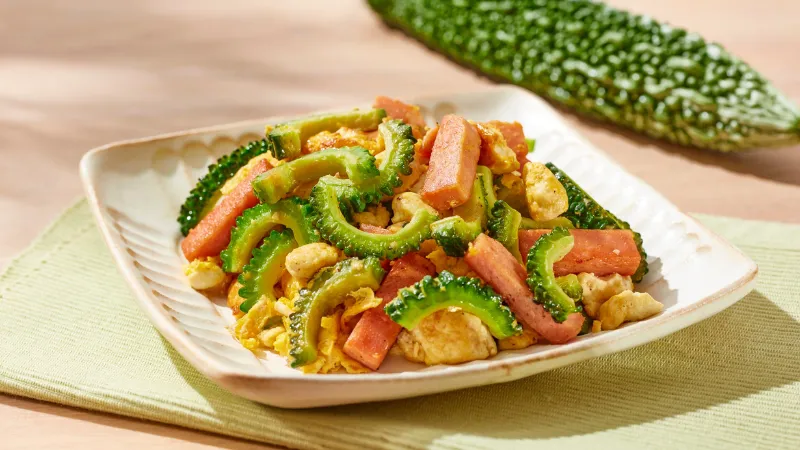
- Goya (ゴーヤー), a bitter melon rich in vitamin C, and the main ingredient of the dish “Goya Chanpuru“.
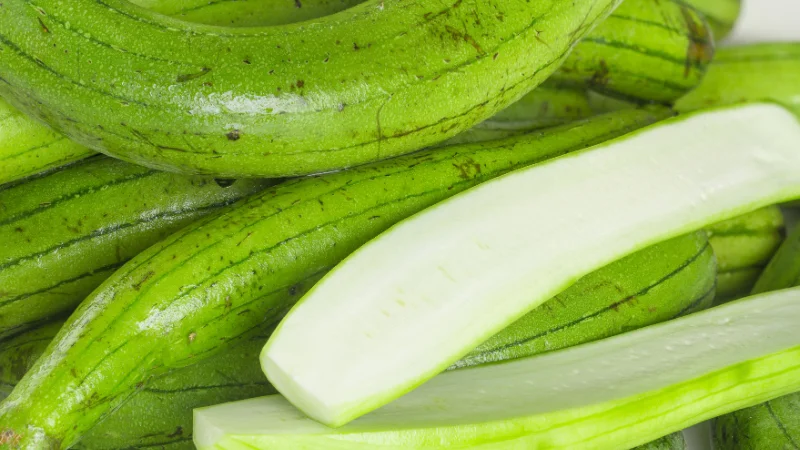
- Hechima (へちま), a loofah squash rich in fiber and cooked with miso.
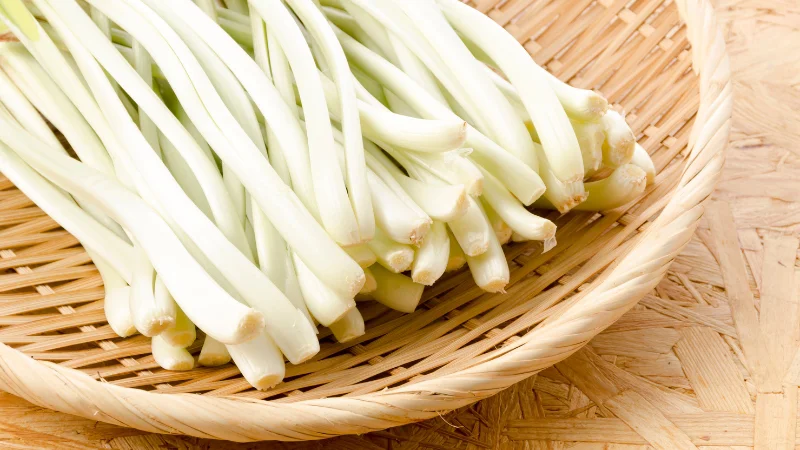
- Shima Rakkyo, a small spicy shallot often served as tempura or pickled.
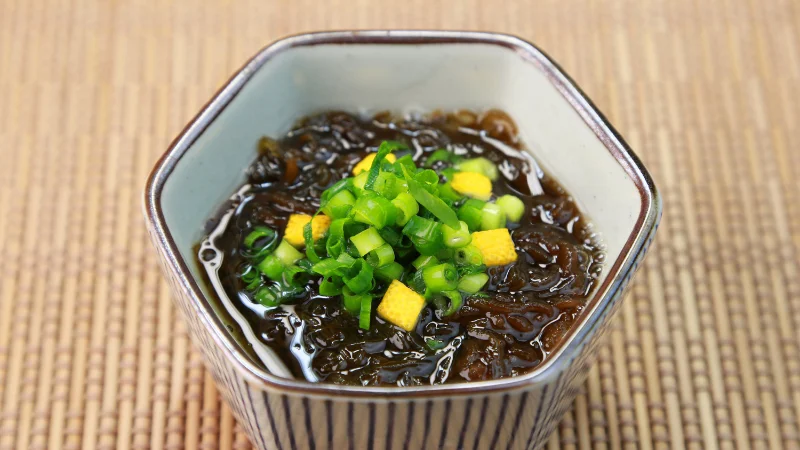
- Mozuku seaweed, rich in minerals and fiber, and very common in local Japanese cuisine.
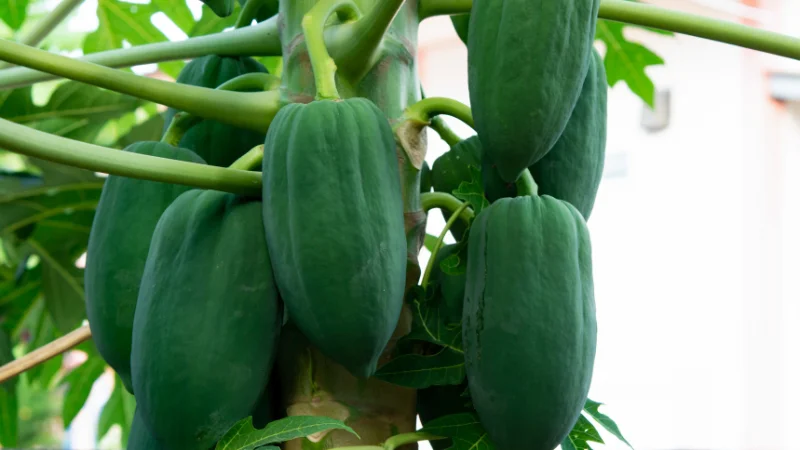
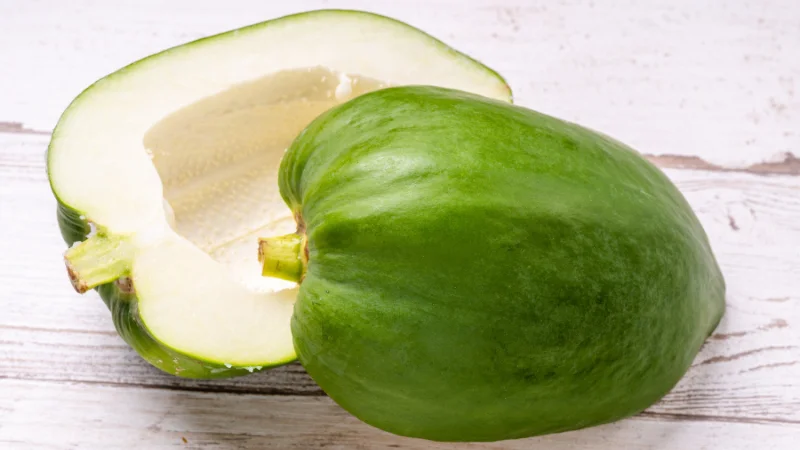
- And also green papaya (not edible raw, it must absolutely be cooked before consumption)
According to a nutritional study cited by Fresta, centenarians in Okinawa consume an average of 965 grams of vegetables per day, which represents nearly 60% of their daily caloric intake. This plant-rich diet contributes to the image of healthy and balanced Japanese cuisine.
Goya, the emblematic vegetable
Goya, also called bitter melon, is one of the most representative vegetables of Okinawa. Recognizable by its elongated shape and its green, bumpy skin, it has a bitter flavor highly appreciated by the locals. Goya is used in many local dishes, including the famous Goya Champuru, a stir fry mixing tofu, egg and thin slices of goya. This bitterness, far from being a flaw, is considered beneficial for health. Goya is rich in vitamins C and B, fiber and antioxidants. It is also known for helping regulate blood sugar, supporting digestion and strengthening the immune system. Eaten raw in salads, stir fried, or added to popular green juices in summer, goya is a pillar of the Okinawan diet. It perfectly illustrates how the inhabitants make use of local plants to balance their cuisine and preserve their well-being.
Green papaya, a vegetable in its own right
In Okinawa, green papaya is used as a real vegetable, very different from the sweet yellow papaya eaten as a fruit. Harvested before maturity, it has a firm and mild flesh, perfect for stir fried and simmered dishes. It is especially known in traditional recipes such as Papaya Irichii, a stir fry of green papaya with pork, tofu or local vegetables. Once cooked, its texture is similar to squash or tender radish, with a slightly sweet flavor that absorbs seasoning well. Very easy to digest, rich in fiber, natural enzymes and vitamin C, green papaya is part of Okinawan cuisine as a versatile and nourishing ingredient. Its daily use highlights the island’s culinary creativity, where tropical fruits are often diverted to enrich savory dishes.
Seaweed, a nutritional treasure
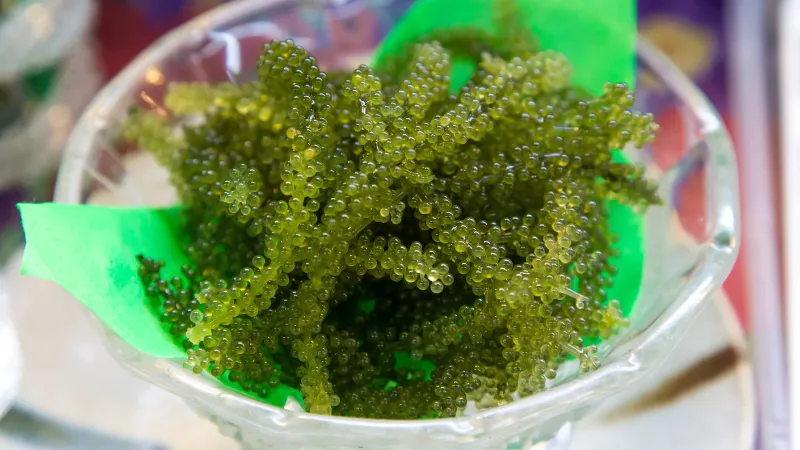
Seaweed holds an essential place in Okinawan cuisine, where it has been consumed for centuries for its nutritional benefits and unique taste. Among the most emblematic is Mozuku, a thin and gelatinous brown seaweed harvested in the warm waters of the archipelago. Rich in fucoidan, it is known for strengthening natural defenses and supporting proper immune function. There are also the famous Umibudo, called sea grapes, small crunchy green beads that burst delicately in the mouth and offer a particularly refreshing iodized flavor. The inhabitants of Okinawa also use Kombu, often imported but widely incorporated into broths, as well as various local seaweeds added to soups, salads or simmered dishes. Thanks to their richness in minerals, fiber, iodine, calcium and antioxidants, seaweeds are a discreet but fundamental pillar of the Okinawan diet, contributing to the archipelago’s reputation for longevity.
Fish and seafood
The East China Sea that surrounds Okinawa offers a great variety of fish and seafood.
- Gurukun (タカサゴ), the emblematic fish of the region, is often grilled or fried.
- Octopus, squid and shellfish are used in soups and simmered dishes.
- Mozuku seaweed is served cold with vinegar or added to tempura.
These marine products provide essential fatty acids and high quality protein. Their regular consumption is part of the traditional Japanese diet known for its cardiovascular benefits.
Colorful diversity of tropical fish
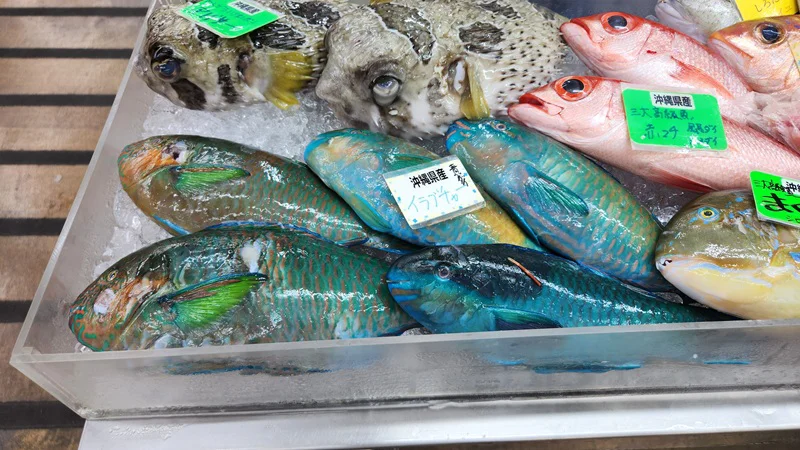
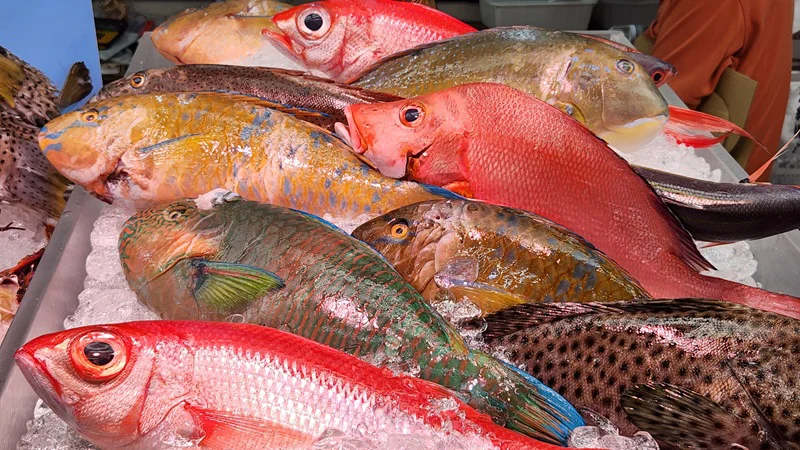
On the stalls of Okinawa’s markets, the first thing that stands out is the incredible palette of colors offered by tropical fish. Unlike markets in mainland Japan, where the silvery tones of mackerel, tuna or sea bream dominate, Okinawan markets display species in shades of blue, turquoise, emerald green, bright pink, lemon yellow or deep red. Among the most emblematic are parrotfish with turquoise scales, bright red snappers, butterflyfish and local species such as Gurukun, a symbol of the archipelago. These fish, coming from the coral reefs surrounding Okinawa, offer remarkable freshness and subtle flavors, often softer and lighter than fish from cold waters. Their diversity reflects the richness of the sea of the Ryukyu, an exceptional marine environment where a great variety of tropical species coexist. In the markets, these colorful fish attract the eye as much as they inspire local chefs, giving rise to a marine cuisine that is vibrant, bright and deeply rooted in the identity of Okinawa.
Giant shellfish and crustaceans from the markets
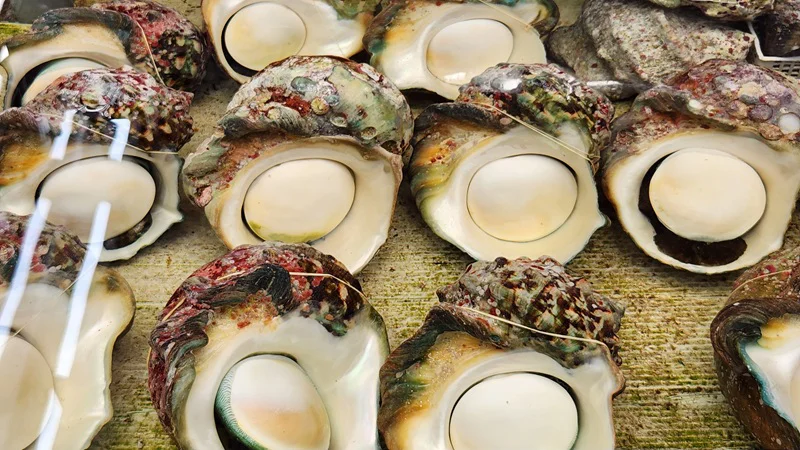
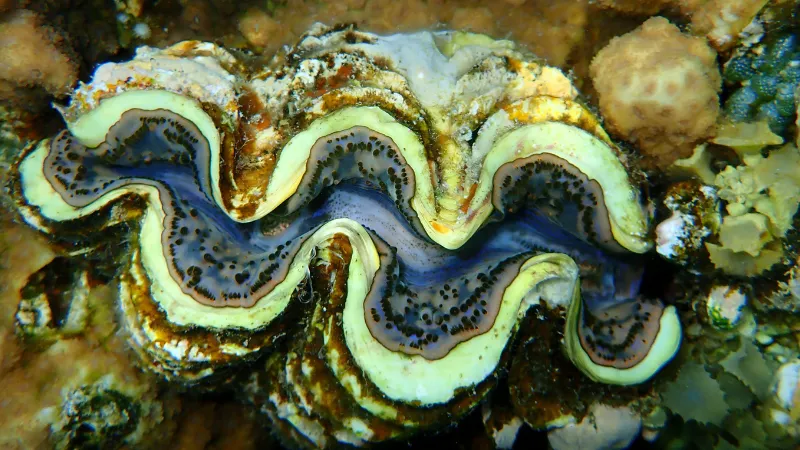
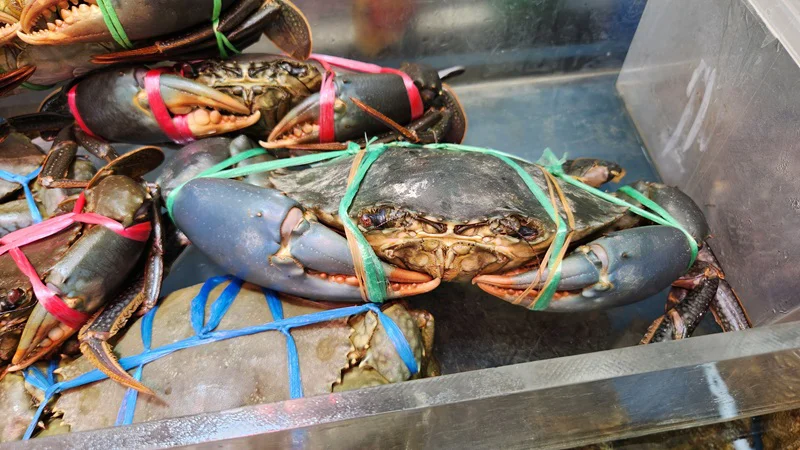
On the lively market stalls, giant shellfish also attract attention. There are massive Trochus, Tridacna clams with wavy shapes, Turbo shells with thick and shiny spiral forms, and large tropical clams in cream or pink tones. Their impressive size reflects the richness of the coral reefs surrounding the archipelago. Next to these marine treasures often rest blue claw crabs, recognizable by their bluish gray color, highly appreciated for their fine and slightly sweet meat. Some markets also offer reef crabs, sea urchins with dark spines, and conical shells typical of warm waters. These seafood products, sometimes surprising to visitors unfamiliar with tropical environments, play an important role in Okinawan Cuisine. They are eaten raw, grilled or simmered, and each species brings a unique and typically Okinawan marine flavor. Together, these shellfish and crustaceans form a true picture of Ryukyu biodiversity, a direct encounter with the tropical sea on which the gastronomy of the archipelago has always depended.
Meats in Okinawan Cuisine
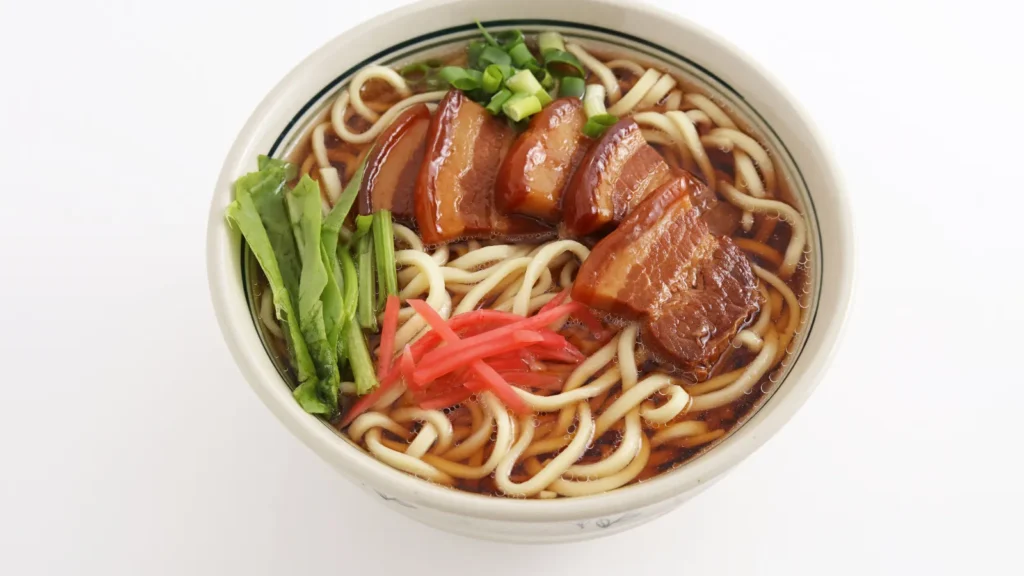
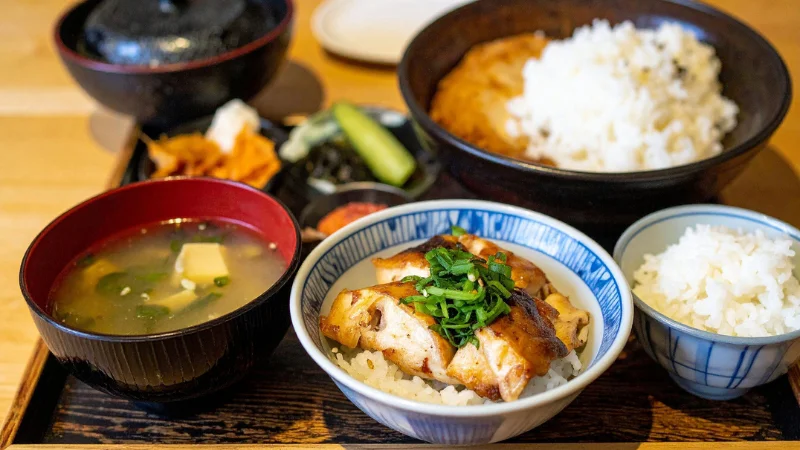
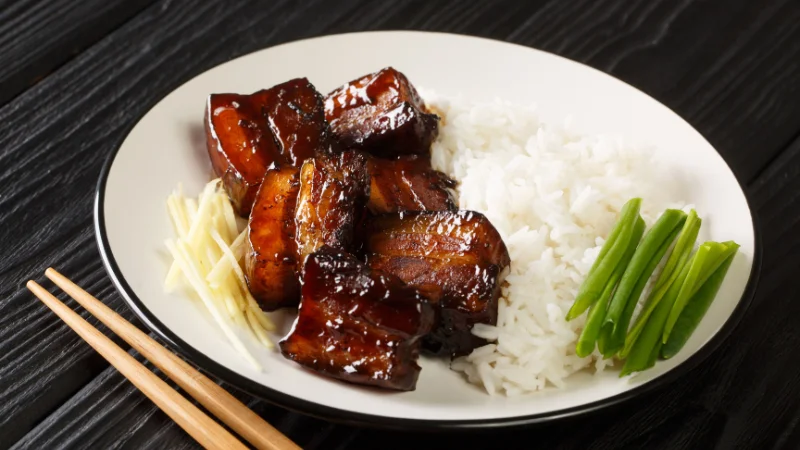
In Okinawa, meat is consumed sparingly but always with deep respect for culinary tradition. The most emblematic is pork, considered since the time of the Ryukyu Kingdom as a precious food. The cuts are slow cooked for a long time until tender, as in Rafute, pork braised with Kokuto, or in Soki, tender ribs served with Okinawa Soba. Other preparations use offal, skin or feet, always cooked with care to preserve their nutritional qualities. Meat is often paired with local vegetables and light broths, making it a rich but balanced food. The inhabitants prioritize quality over quantity, consuming meat in small portions integrated into complete dishes. This way of approaching meat, combined with gentle cooking and natural ingredients, reflects the Okinawan philosophy: enjoying each food while preserving health and harmony in the meal.
Okinawan broths and soups
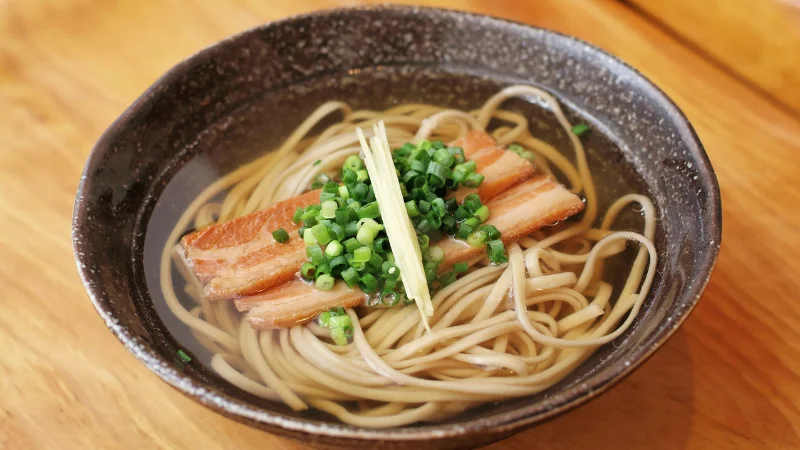
Broths and soups occupy an essential place in Okinawan cuisine, where they are consumed both at breakfast and during evening meals. The most common base is a light Dashi, prepared from dried bonito, Kombu seaweed or local ingredients that bring a mild and balanced flavor. Among the typical soups, there is Soki-Jiru, a nourishing soup made with simmered spare ribs, as well as soups with seasonal vegetables such as Goya, green papaya, Daikon or Taro. These soups are designed to be easy to digest, comforting and rich in nutrients, often served with little fat and simple ingredients. They reflect Okinawa’s food philosophy, centered on moderation, balance and the valuing of local products. In the island’s tradition, they are not only a dish, but a way to maintain harmony and vitality in daily life.
Endemic and tropical fruits of Okinawa
The subtropical climate of Okinawa allows the cultivation of a wide variety of tropical fruits that bring color, sweetness and freshness to local Japanese cuisine. Among the best known are Okinawan juicy pineapple, fragrant mango, yellow sweet papaya, dragon fruit with pink or white flesh, and the small Okinawa banana appreciated for its mild and round flavor.
The archipelago also produces rarer but equally tasty fruits, such as star-shaped carambolas, passion fruits available in yellow or traditional dark red, and surprisingly round and large local pears characteristic of the region.
Citrus fruits also hold an important place, with many varieties grown locally. The most emblematic is without a doubt Shikuwasa, a small and very aromatic green citrus, essential in Okinawan cuisine for its fresh and tangy notes.
Among other local stars is the famous purple sweet potato Beni-Imo, used in pastries and confectionery, particularly in the well known Beni-imo Tart, a gourmet icon of the island.
Rich in vitamins, antioxidants and fiber, all these fruits contribute to Okinawa’s image as a region with a healthy lifestyle, often associated with exceptional longevity. The abundance of fresh produce, combined with a generous climate, helps make Okinawan cuisine both colorful and beneficial.
Pineapple fields, tropical pride of Okinawa
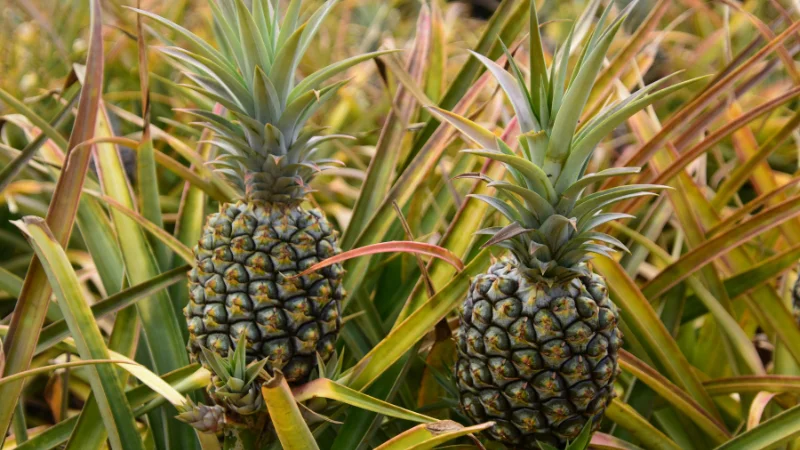
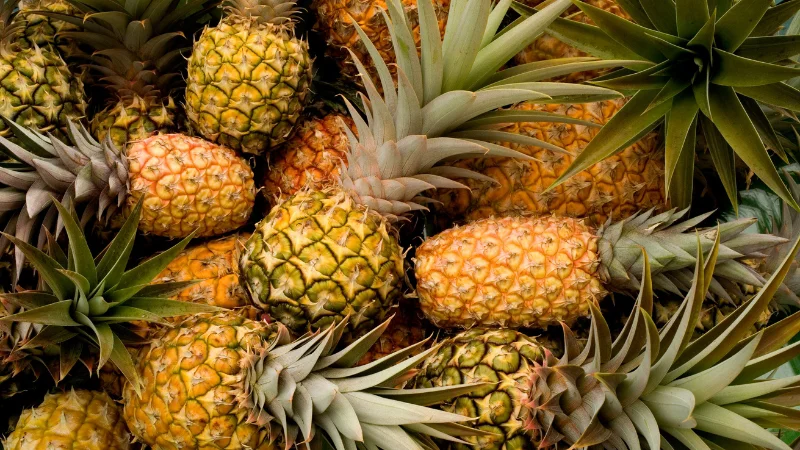
In Okinawa, pineapple fields stretch across the sunny hills of the north of the island and create a typically tropical landscape. Cultivated for several decades, Okinawan pineapple benefits from a warm climate, constant sea breeze and well drained soil, which give it natural sweetness and a particularly strong aroma. The best known varieties are Sugarloaf and Peach Pine, renowned for their tender, juicy and low-acid flesh. Far from large industrial productions, the local cultivation of Okinawan pineapples follows a long cycle requiring patience and expertise, as each plant produces only one fruit at a time. Once harvested, pineapples are sold fresh in markets, turned into juice, jams or used in local desserts. Their richness in vitamin C, fiber and digestive enzymes makes them appreciated as much for their taste as for their benefits. Pineapple fields illustrate the deep connection between Okinawa and its tropical environment, and remind us of the importance of local agriculture in the culinary identity of the archipelago.
Okinawa banana trees, sweet and fragrant fruits
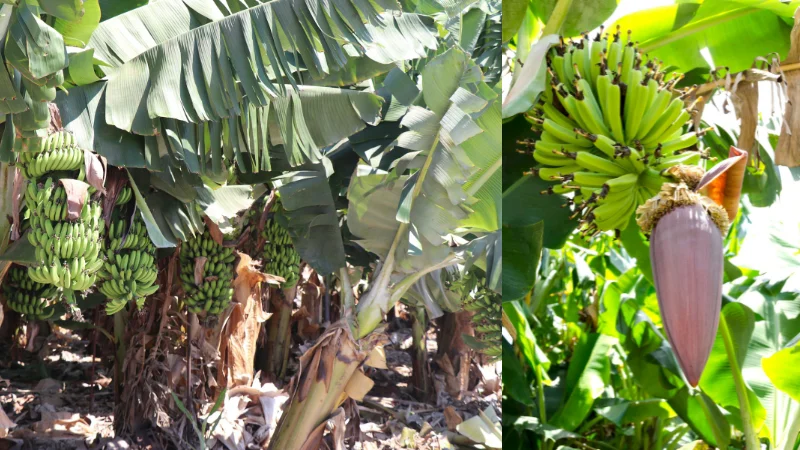
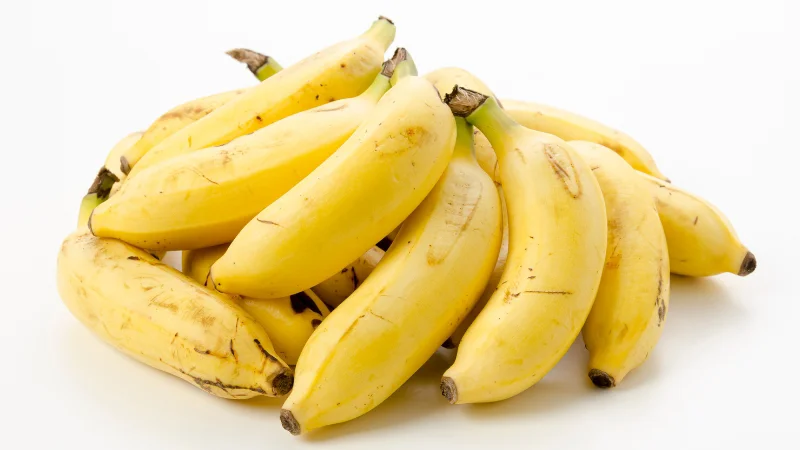
In Okinawa, banana trees grow naturally thanks to the warm and humid climate of the archipelago, creating real tropical gardens around homes and in rural areas. The most representative variety is the Shima Banana, literally the “island banana”. Smaller than imported bananas, it has a thin skin and a particularly fragrant flesh. Its taste is very different from a regular banana: less sweet, more floral, with a slight natural acidity that gives it a more complex and aromatic flavor that is almost indescribable. Some describe its taste as slightly reminiscent of apple because it is so surprising.
To be completely honest, eating a Shima Banana is a bit like eating a banana from which the usual flavor has been removed. The appearance and texture are those of a classic banana, but the taste is totally different. This contrast is precisely what makes the Okinawa banana so charming. If you enjoy discovering surprising fruits and stepping outside familiar flavors, I highly recommend tasting the Shima Banana for a unique little culinary experience.
Choose them well ripened to fully appreciate their sweetness and aromatic finesse. The Shima Banana should be eaten when its yellow skin becomes heavily speckled with brown, a sign that it has reached its ideal level of maturity.
When ripe, its dense yet tender texture reinforces the impression of a delicate and authentic fruit. Shima Bananas ripen quickly in open air but also reveal their full flavor when enjoyed well chilled rather than at room temperature. They are also excellent in juices, jams or homemade desserts. Rich in fiber, potassium and vitamins, they represent a healthy and typically Okinawan source of energy. Omnipresent in tropical landscapes, banana trees reflect the importance of local fruits in the culture and cuisine of the archipelago.
Okinawa mango trees, a sweet treasure grown in greenhouses
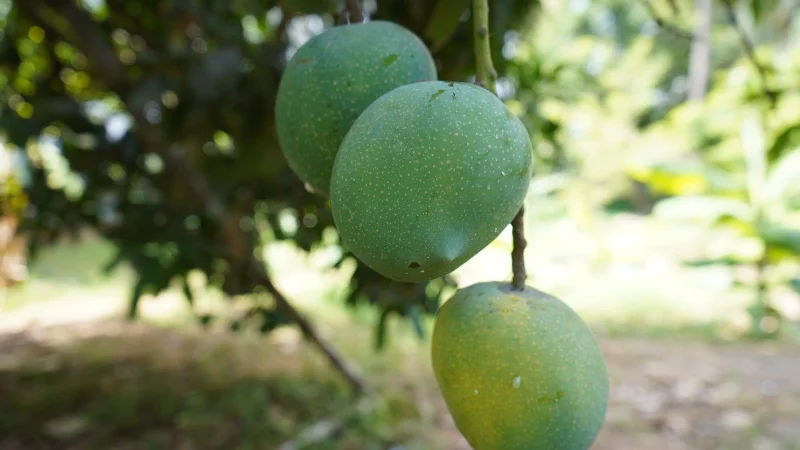
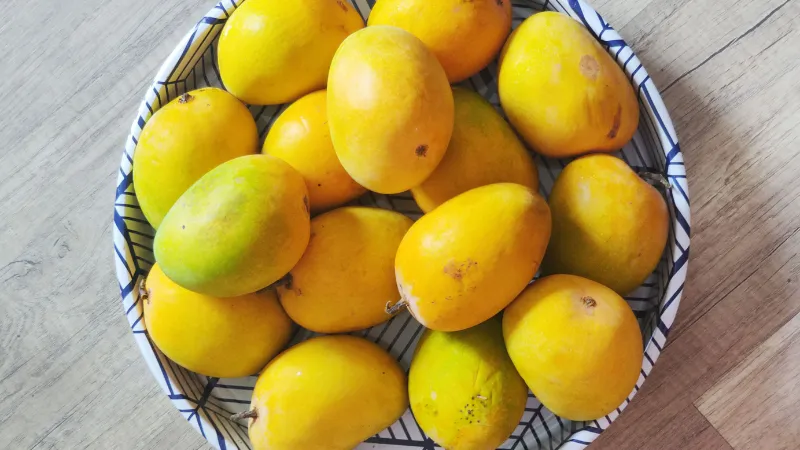
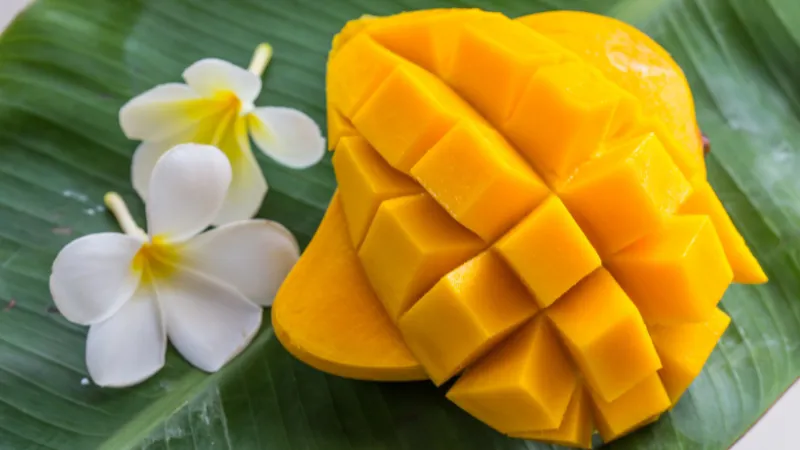
In Okinawa, mango is one of the most emblematic tropical fruits cultivated locally. Thanks to the warm and humid climate of the archipelago, mango trees thrive mainly in the southern islands, such as Miyakojima and Ishigaki, where conditions are ideal. To ensure exceptional quality, Okinawan mangoes are often grown in greenhouses, which protect them from typhoons and allow control of humidity, wind and sunlight. The most prized varieties are the Irwin mango and the Keitt mango, known for their tender, juicy and extremely fragrant flesh, with an intense sweetness comparable to luxury mangoes. Each fruit is carefully protected in a net during ripening so that it falls naturally once perfectly ripe. Okinawan mangoes are sold in small quantities but with remarkable quality, often used in desserts, ice creams, smoothies or simply enjoyed fresh. Their limited production makes them an expensive but sought after fruit, symbolizing the agricultural know-how of the archipelago.
Passion fruit, a small fragrant fruit widely cultivated
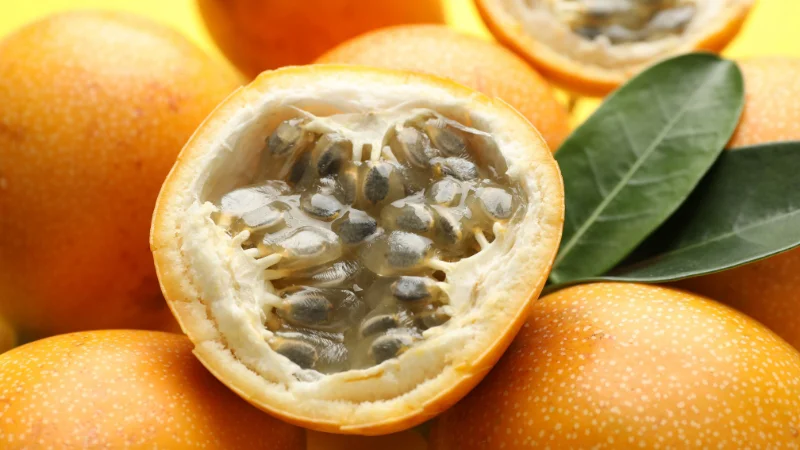
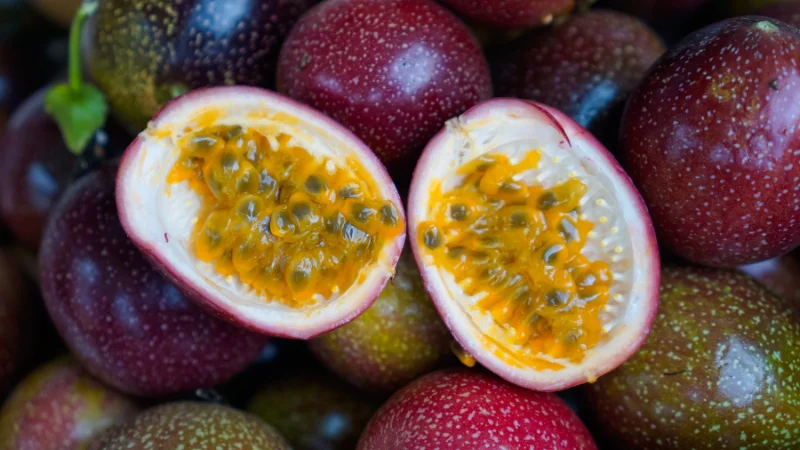
Passion fruit is indeed produced in Okinawa, and its cultivation has developed over the years thanks to the ideal subtropical climate. Local small producers grow the “dark red” passion fruit and the “yellow” passion fruit, both appreciated for their intense fragrance and pleasant acidity. When ripe, they release a strong aroma typical of exotic fruits. They are frequently found in markets, in small producers’ shops and even in some supermarkets during the season. Their vibrant flavor is perfect for juices, jams, desserts or simply eaten with a spoon. Rich in vitamins A and C, antioxidants and fiber, passion fruit fits perfectly into the local diet, combining pleasure and nutritional benefits. Its often artisanal cultivation reflects the agricultural dynamism of Okinawa and the diversity of its tropical production.
Okinawa starfruit trees, locally cultivated star-shaped fruits
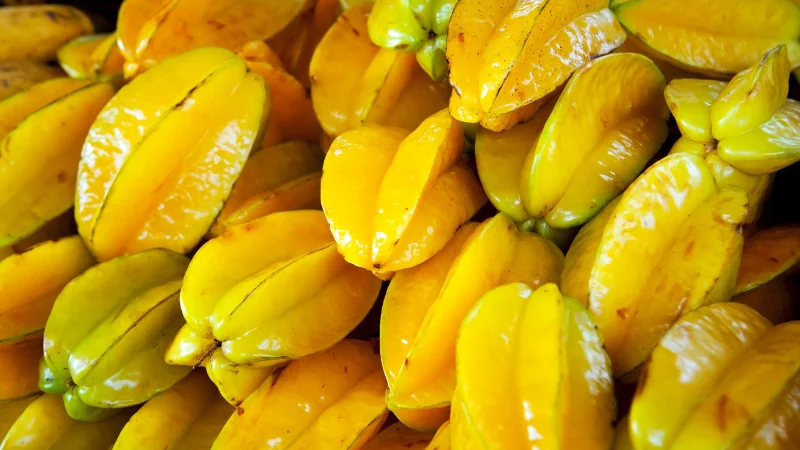
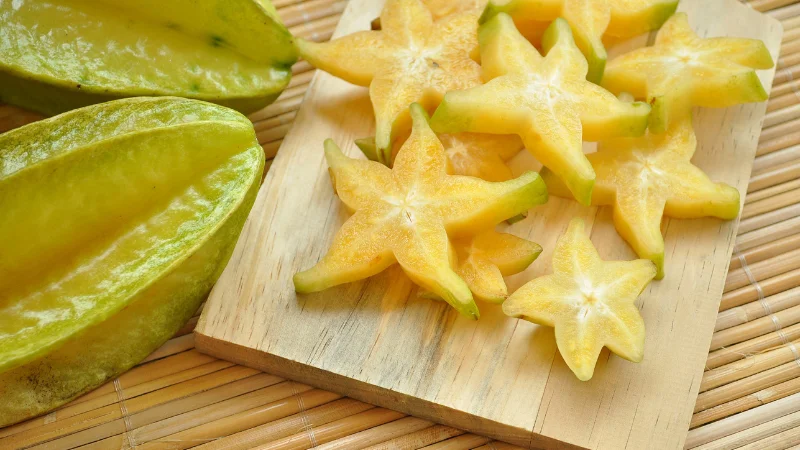
Starfruit is also cultivated in Okinawa, although its production remains modest and often linked to small family orchards or independent producers. The warm climate allows starfruit trees to bear fruit several times a year, producing these star-shaped fruits with a bright yellow color and a sweet, slightly tangy flavor. Okinawan starfruits are generally sold at local markets, in producers’ shops or directly by farmers, just like the ones you purchased. They are eaten fresh, in juice, in fruit salads or used to decorate desserts. Rich in vitamin C, fiber and antioxidants, starfruit is highly appreciated for its lightness and refreshing quality. Even if its production is not as large as that of mango, it remains one of the authentic tropical fruits that can truly be found in the archipelago.
Shikuwasa, the fresh and vibrant citrus
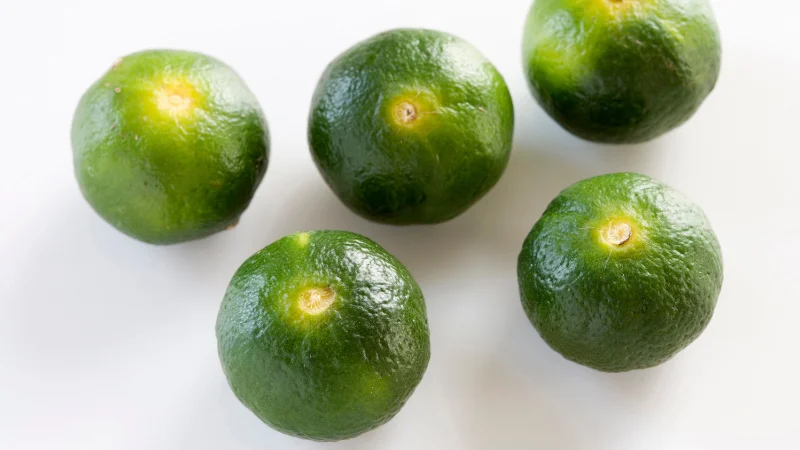
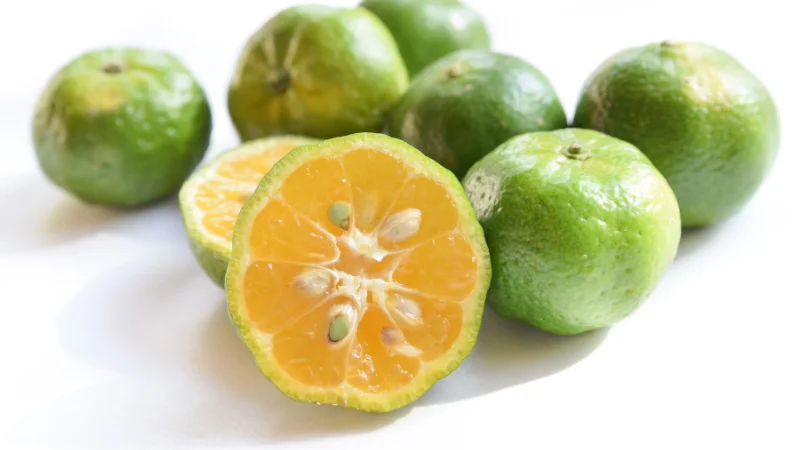
Shikuwasa is the small emblematic citrus of Okinawa, known for its intense fragrance and tangy flavor. About the size of a small green mandarin, it is used in local cuisine to enhance dishes, flavor drinks, accompany grilled fish or add freshness to salads and marinades. Shikuwasa is also enjoyed as juice, which is very popular in summer. This citrus is particularly rich in nobiletin, a rare antioxidant associated with many benefits: support for the immune system, reduction of oxidative stress, improvement of circulation and cardiovascular protection. The inhabitants of Okinawa have long used it as an everyday ingredient, for its taste qualities as well as its health benefits. Its lively aroma and freshness make it one of the most distinctive aromatic signatures of the archipelago.
Sugarcane fields
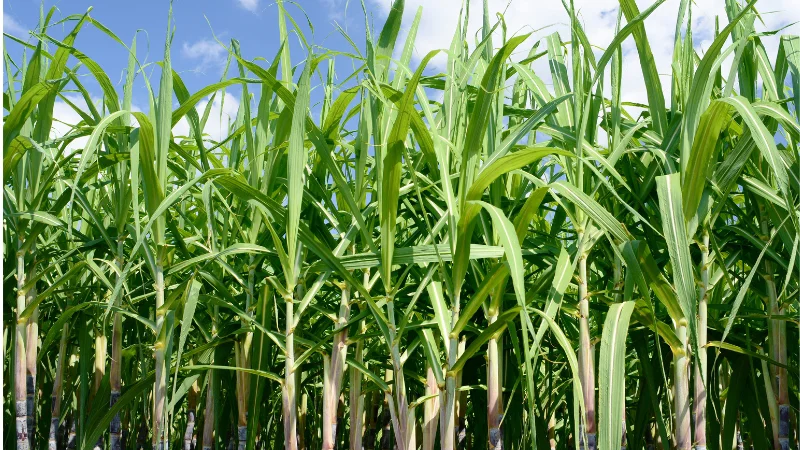
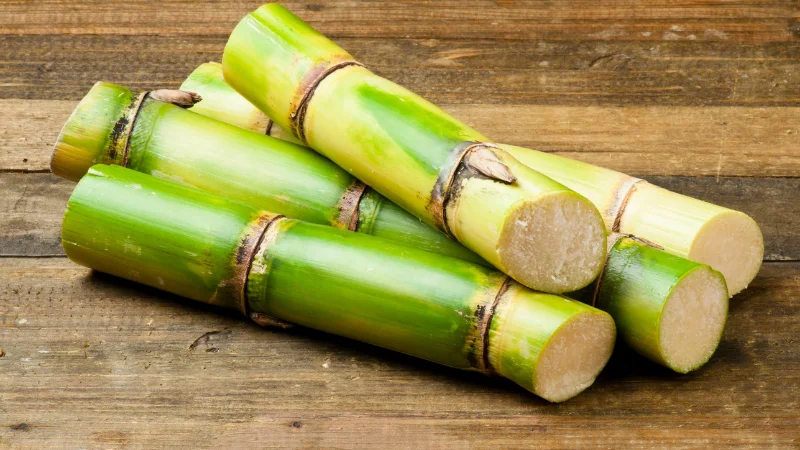
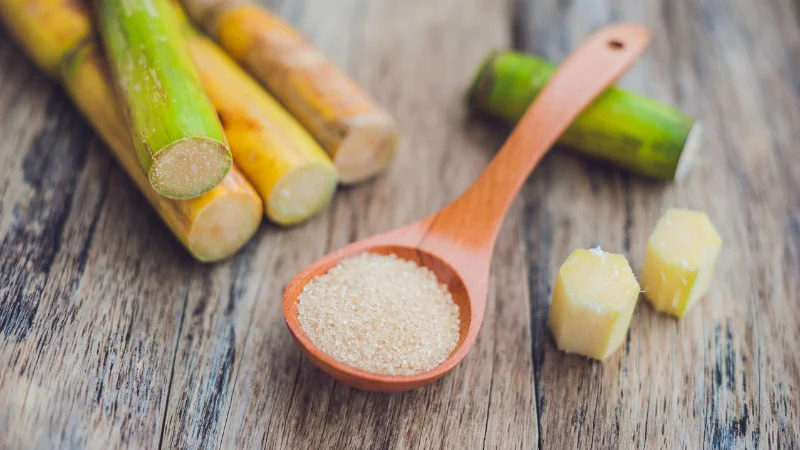
In Okinawa, the vast sugarcane fields wave in the subtropical wind and shape the rural landscape of the archipelago. Cultivated since the time of the Ryukyu Kingdom, sugarcane thrives on the limestone and karst soils formed from ancient corals, combined with a warm, humid and very sunny climate. After harvesting, the stalks are pressed to extract a sweet and aromatic juice, which is then heated and reduced to create Kokutō, the famous brown sugar of Okinawa. This artisanal, unrefined sugar naturally retains its minerals and complex aromas. Highly appreciated for its deep and caramelized notes, it is used both in local confectionery and in traditional simmered dishes. Rich in calcium, iron, potassium and antioxidants, Kokutō is known for its nutritional qualities and has been an integral part of Okinawa’s culinary and agricultural identity for centuries.
Locally grown crops with minimal treatment
In Okinawa, most local fruits and vegetables come from small family farms, far from industrial models. These producers work on modest plots, often inherited from their parents or grandparents, and continue traditional agricultural methods where the use of chemicals remains limited. Not only do industrial treatments represent a significant cost, but many farmers prefer relying on natural techniques, close observation of the seasons and a deep knowledge of their land rather than investing in chemical products. This approach reflects a conscious choice to preserve soil quality, protect biodiversity and maintain healthier and more respectful agriculture.
Another touching characteristic of Okinawan producers is their closeness to their own production. They themselves eat the fruits and vegetables they grow, which naturally encourages them to reduce chemical treatments and cultivate as cleanly as possible. Out of hospitality and the desire to offer the best to their customers, they often reserve for sale the most beautiful and regular fruits, while keeping for their own consumption the pieces that are visually less perfect but equally tasty. It is not a difference in quality, simply a humble and generous way of sharing the best of their harvest with those who come to buy at the markets.
This sincere connection to the land, blending agricultural traditions, simplicity, respect for living things and the will to offer healthy products, is the strength of Okinawa’s local crops. It contributes to the remarkable freshness of the products found on the stalls and highlights the importance of small producers in the culinary identity of the archipelago. And I have no doubt that this same mindset, based on preservation, passion and respect for good work, also animates many small producers in other regions of the world.
Awamori, the spirit of the Ryukyu and the liquid treasure of Okinawa
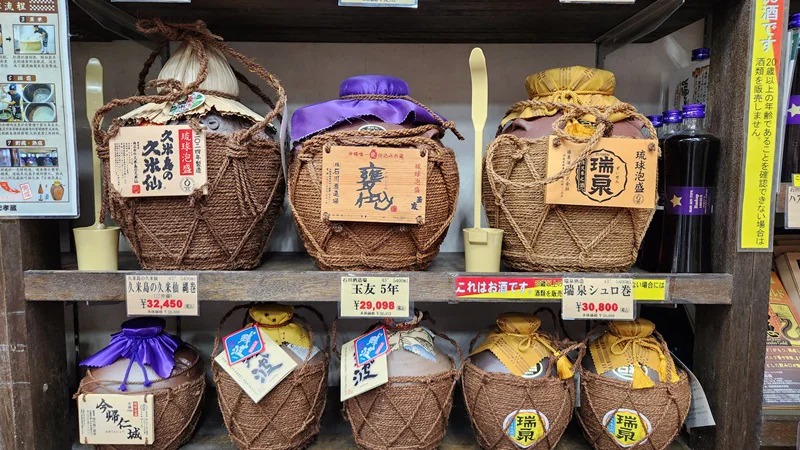
Awamori, considered the oldest distilled alcohol in Japan, is a pillar of Okinawa’s cultural and gastronomic heritage. Made from long-grain indica rice, traditionally imported from Thailand and chosen to preserve the methods of the Ryukyu Kingdom, it owes its uniqueness to Okinawa’s black Kōji (Kuro-Kōji), essential to the fermentation process. Distilled according to ancient techniques, Awamori is then aged in earthenware jars where it develops deep, smooth and slightly floral aromas. The long-aged batches, called Kusu, are especially sought after for their roundness and complexity. Enjoyed neat, on ice or with water, Awamori pairs wonderfully with local cuisine. Naturally free of additives and rich in amino acids produced by the Kōji, it is appreciated for its purity and digestibility. A symbol of hospitality and tradition, Awamori embodies the soul of Okinawa and preserves a know-how passed down from generation to generation.
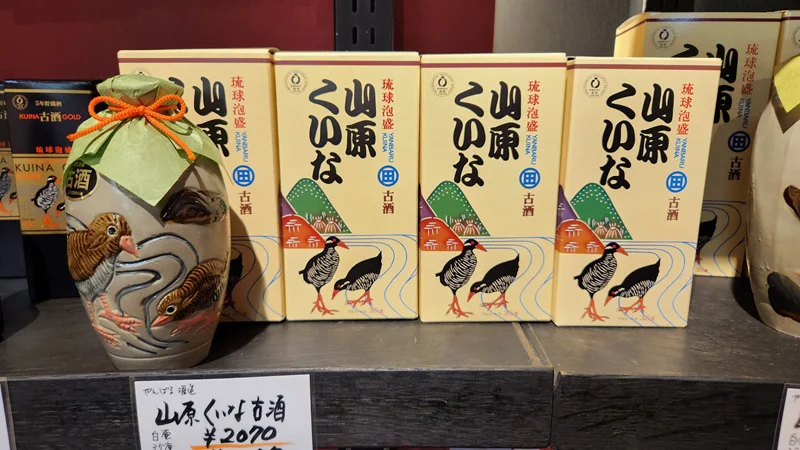
Habu Sake, the traditional liqueur
Habu Sake is one of the most emblematic and impressive drinks of Okinawa. Prepared from local alcohol and sometimes Awamori, it is infused with a real Habu, a venomous and potentially deadly snake native to the archipelago. This maceration method, inherited from ancient practices, aims to capture the symbolic strength of the reptile to create a powerful and aromatic liqueur. Habu Sake is known for its intense and slightly spicy flavors, as well as for the energizing properties that popular tradition attributes to it. Often presented in spectacular bottles where the entire snake rests, it is one of the cultural curiosities that attract visitors seeking an authentic and striking experience. More than just a drink, Habu Sake reflects the imagination, beliefs and unique heritage of Okinawa.


Other traditional drinks of the island
Aside from Awamori and Habu Sake, Okinawa has a range of traditional drinks rooted in its daily life for generations. The most popular is undoubtedly Sanpin tea, a light and fragrant jasmine tea that arrived in Okinawa through ancient exchanges with China. Refreshing and only slightly bitter, it accompanies meals as well as moments of relaxation. There is also Okinawan black tea, locally called Kocha, produced in small quantities but appreciated for its soft and slightly fruity notes. The archipelago also offers drinks made from Kokuto, the local brown sugar, used to prepare syrups, lightly sweetened teas or toning beverages. In summer, stalls serve Shikuwasa juice, prized for its delicate acidity and high vitamin C content. These simple and natural drinks reflect the lifestyle of the archipelago, where hydration, lightness and local ingredients are at the heart of daily habits.
Local markets, the living heart of Okinawa’s culture
Okinawa’s local markets are vibrant places where one discovers the true soul of the archipelago. The best known is Makishi Market in Naha, facing Kokusai Dori street. Makishi Market is famous for its lively stalls overflowing with colorful tropical fish, exotic fruits and local specialties. There are also small restaurants where residents come to enjoy a bowl of Okinawa Soba or freshly grilled fish. More modest markets, such as those in Tomari or in villages in the north of the island, offer field vegetables, freshly harvested seaweed, artisanal tofu and products found nowhere else. These markets are much more than simple places of sale. They are meeting spaces where producers, fishermen and residents exchange, continuing a tradition essential to daily life. For visitors, it is a direct immersion into Okinawan food culture, a sensory journey through colors, aromas and warm smiles.
Click to visit Kosusai dori #1
Click to visit Kosusai dori #2
What is a Blue Zone?
A Blue Zone is a region of the world where life expectancy is significantly higher than the global average and where inhabitants remain in good health until a very advanced age. The term was popularized by researcher and explorer Dan Buettner, who identified five main Blue Zones: Okinawa in Japan, Ikaria in Greece, Sardinia in Italy, Nicoya in Costa Rica and Loma Linda in the United States.
These regions share several common points:
- a simple diet, mostly based on vegetables, legumes and natural products
- a reduced consumption of meat and processed foods
- a balanced relationship with food, often linked to traditions such as hara hachi bu in Okinawa
- an active daily lifestyle (walking, gardening, moderate physical activity)
- strong social ties and a close knit community
- calm stress management and a positive outlook on life
- a close connection with nature and a gentler rhythm of life
In these conditions, inhabitants frequently reach 90 or 100 years old while maintaining mobility, clarity and good health.
Okinawa is one of the most emblematic Blue Zones, thanks to its traditional lifestyle, its varied diet and the philosophy that guides its way of eating and living.
Longevity and diet: a recognized link
Okinawa, recognized worldwide as a Blue Zone, is one of the rare regions in the world where inhabitants live longer and in better health than anywhere else. This exceptional longevity is largely supported by the traditional diet of the archipelago, based on diversity, simplicity and above all moderation. The principle of Hara Hachi Bu, which consists in eating only about 80% full, remains deeply rooted in local culture and helps maintain a natural dietary balance. Okinawans favor fresh and minimally processed foods, rich in fiber, minerals and antioxidants, in accordance with the Japanese concept Ishokudogen, which states that food and health share the same origin. Ingredients such as goya, purple sweet potato, mozuku seaweed or kokuto products play an essential role in preventing many diseases. Combined with an active lifestyle, strong social ties, a mild climate and a positive attitude toward daily life, these dietary choices form a coherent whole that explains why Okinawa has become one of the most emblematic and inspiring Blue Zones in the world.
Culinary specialties of Okinawan Cuisine
Appetizers
- Mozuku-su: mozuku seaweed served with mild vinegar.
- Umibudō (sea grapes): small translucent seaweeds with an iodine flavor.
- Jimami-dōfu: creamy tofu made from peanuts.
Main dishes
- Goya Chanpuru: stir fry of goya, tofu, eggs and pork, an emblematic dish of Japanese Cuisine in Okinawa.
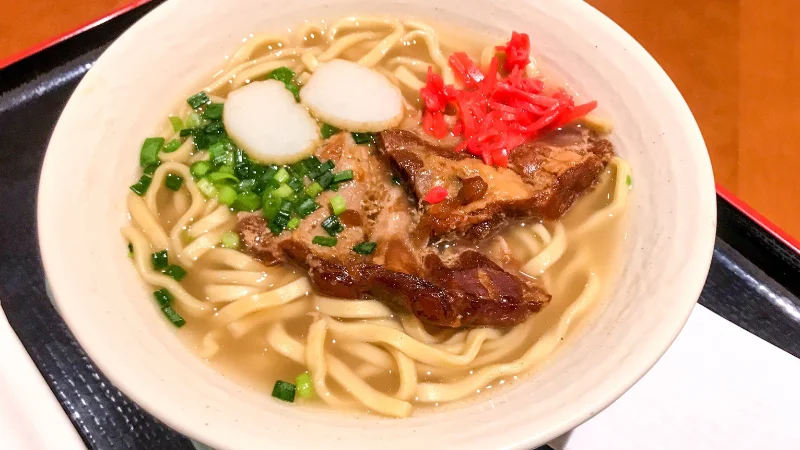
- Sōki Soba: noodle soup with a clear broth, served with pork ribs.
- Rafute: pork simmered with awamori and Okinawan brown sugar.
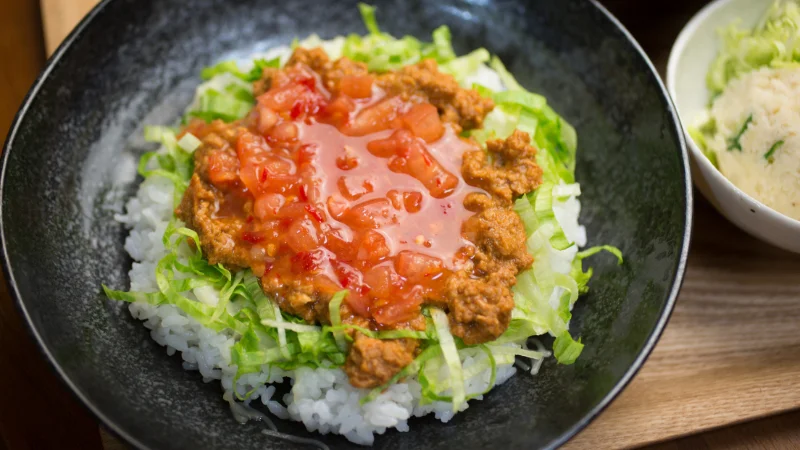
- Taco Rice: American inspired dish combining rice, ground meat, salad and cheese, a symbol of local creativity.
Sweets and desserts
- Sata Andagi: round and crispy doughnuts, often enjoyed during festivals.
- Beni-imo Tart: sweet tart made with purple sweet potato.
- Chinsukō: crumbly shortbread cookies made from flour and sugar.
These recipes are an integral part of Okinawa’s specialty and illustrate how Japanese Cuisine adapts to each region.
To conclude
Okinawan Cuisine embodies a true philosophy of life, shaped by the search for balance, respect for the body and attention to the products of the island. Here, every ingredient, whether from the land or the sea, holds a particular value. The island vegetables grown under the subtropical sun, the colorful fish caught in the clear waters of the Ryukyu Sea, the pork slowly simmered according to centuries old techniques, the tropical fruits rich in vitamins, as well as the sweets prepared with Beni-Imo or Kokuto brown sugar, make up a generous, authentic and subtly refined cuisine. More than a simple collection of dishes, this gastronomy represents a way of life that contributes to the remarkable longevity of Okinawa’s inhabitants.
Discovering Okinawan Cuisine is much more than enjoying exotic dishes or exploring new textures. It means entering a culinary universe where the land, the sea and the spirit intertwine. Each recipe carries within it the heritage of the Ryukyu Kingdom, nourished by exchanges with Southeast Asia and China, by local traditions and by the values of conviviality deeply rooted in Okinawan culture. One finds a way of viewing food as a path toward well-being, vitality and serenity. Every bite tells a story made of respect for nature, harmony and simple joy.
Okinawan Cuisine is therefore not limited to ingredients or cooking techniques. It reflects a worldview, a way of inhabiting its territory and of celebrating what nature offers at its best. Through its bitter vegetables, its tropical fish, its light soups, its simmered dishes, its sun-filled fruits and its colorful desserts, the island transmits a living heritage shaped by generations. This cuisine, humble and profoundly sincere, carries the secrets of the longevity of the Okinawans, who see each meal as an opportunity to nourish both the body, the soul and the bonds that unite the community. Exploring Okinawan Cuisine means entering an art of living where gentleness, moderation, gratitude and respect for life guide every plate and every daily gesture.
7 key points to remember about Okinawan Cuisine
- Local production mostly free of chemical products or containing them only in very small quantities.
- Cuisine rich in local products, tropical fruits and island vegetables.
- Balanced dishes inspired by the subtropical climate and the Ryukyu tradition.
- Unique ingredients such as goya, Shikuwasa or Mozuku seaweed.
- A food philosophy based on moderation (about 80% satiety) and harmony.
- A gastronomy linked to longevity, making Okinawa an emblematic Blue Zone.
Texts, images and videos © Japan Okinawa Daily Life
Copying, downloading and reuse prohibited without permission