
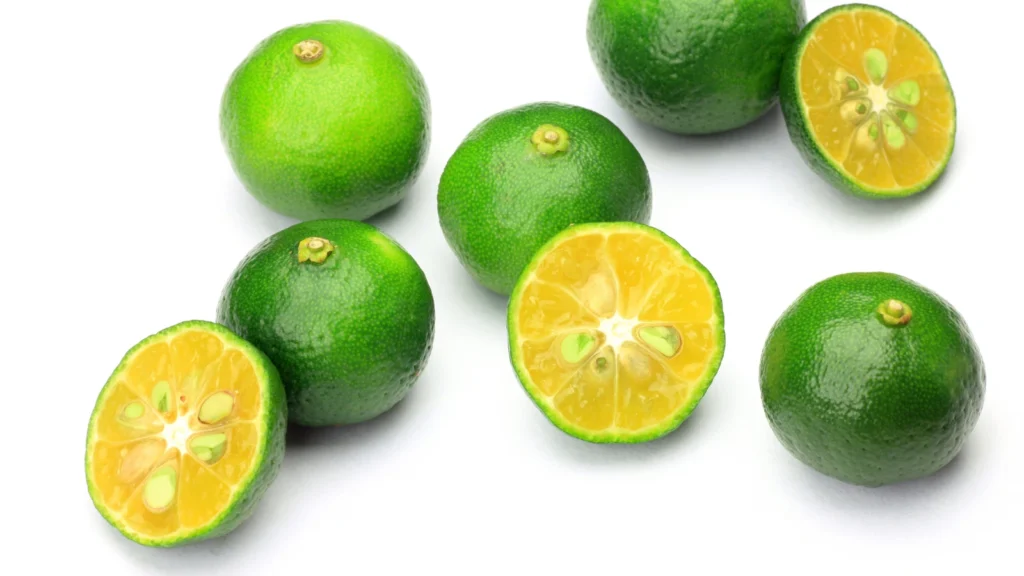
Small in size but intense in character, Shikuwasa holds a special place in Okinawan culinary culture. Present in home kitchens, beverages, and certain local alcohols, it accompanies daily life with its vibrant flavor and distinctive aroma, while fitting into a simple and natural diet.
What is shikuwasa?
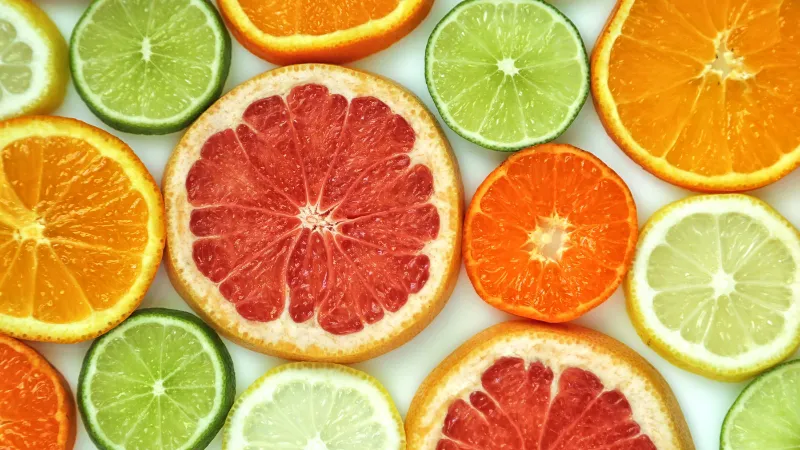
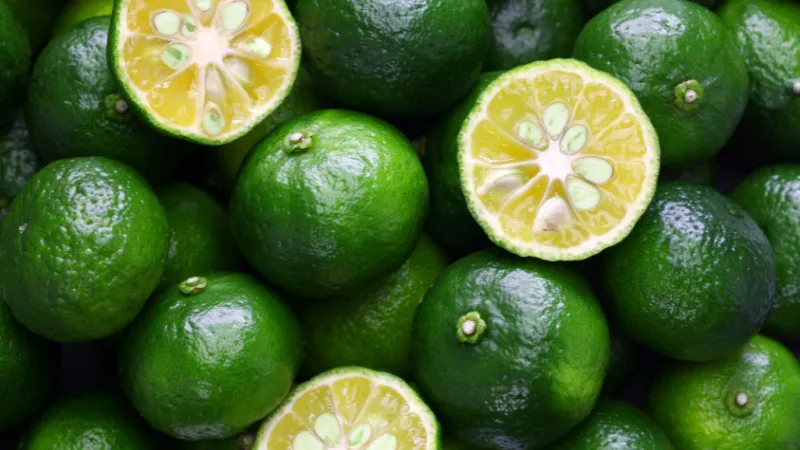
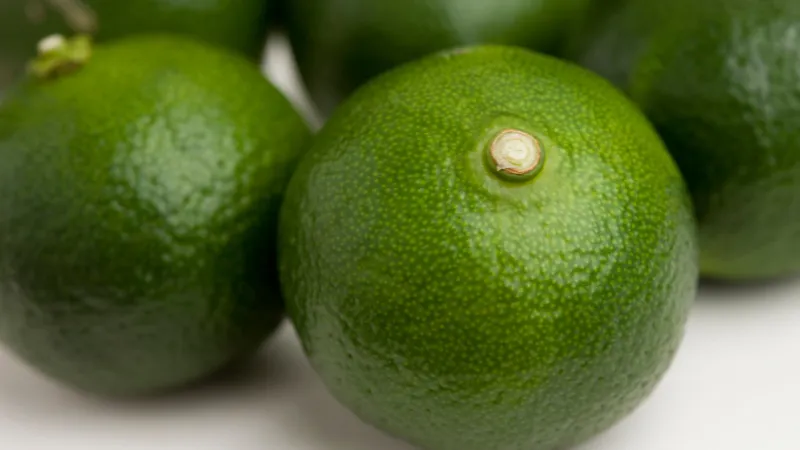
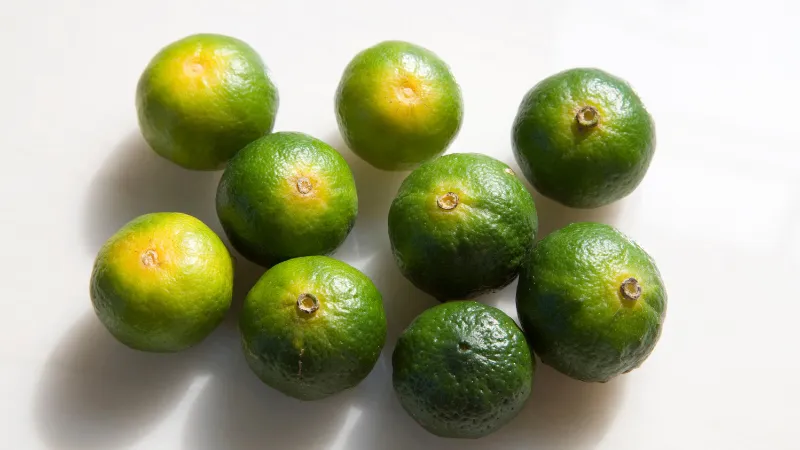
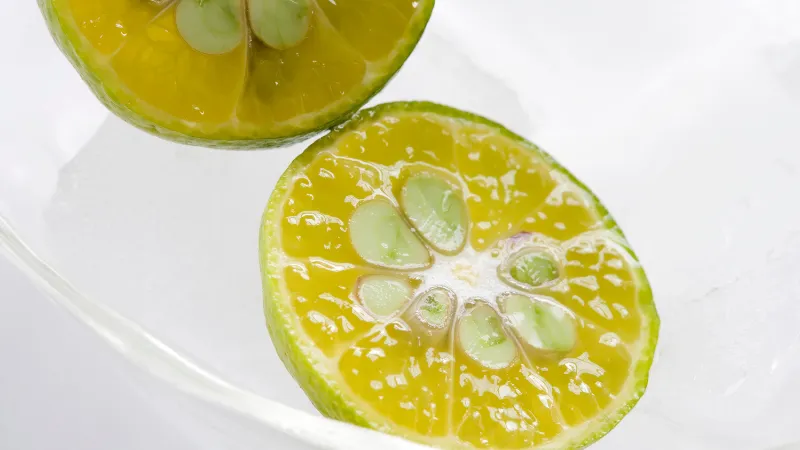
Shikuwasa belongs to the large citrus family. It is close to lime, calamansi, and yuzu, while maintaining its own identity. Its scientific name is Citrus depressa. It is recognized by its small size, thin green skin, and highly aromatic juice.
Shikuwasa in Okinawa
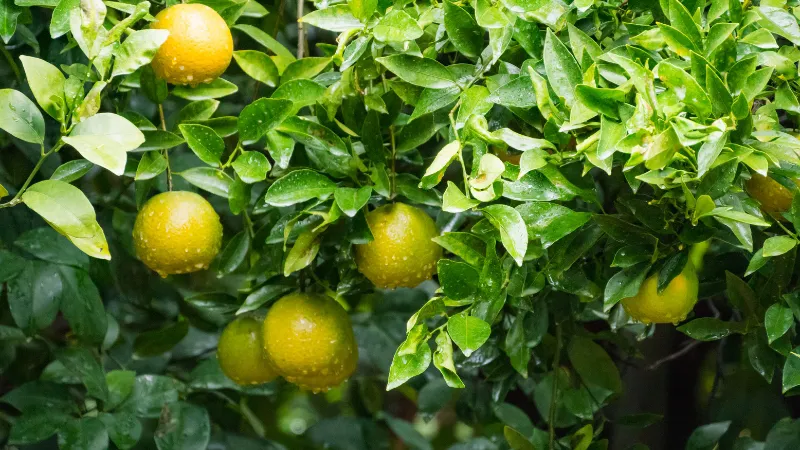
Shikuwasa is mainly grown in Okinawa, especially in rural and subtropical areas of the northern part of the archipelago, where the warm and humid climate is favorable to its cultivation. Its cultivation is ancient and has been part of local agriculture for several generations, often on a small scale.
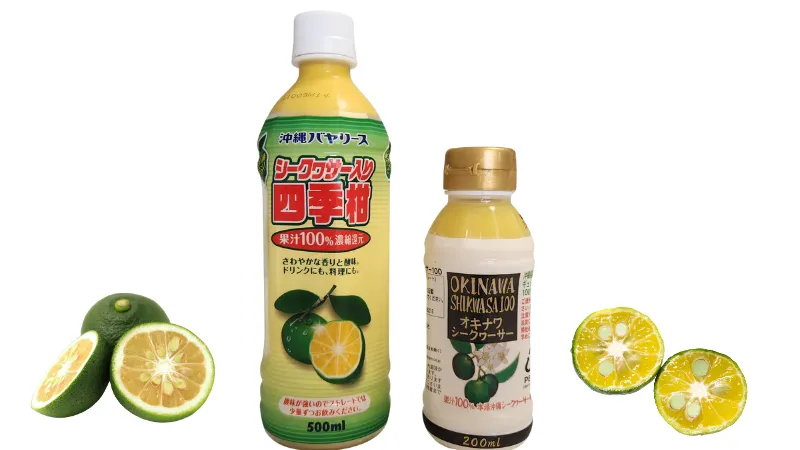
Long intended for domestic and regional use, it is now also valued in fine grocery products, such as juices, condiments, vinegars, or flavored beverages. Its aromatic properties and its natural richness in active compounds have also led to its use in certain care and cosmetic products, particularly in skin care.
Depending on the producers, Shikuwasa can be grown organically or using reasoned farming methods, with particular attention paid to respect for the environment and local know how.
As part of the diet, Shikuwasa is consumed throughout the year. It is particularly appreciated for its refreshing character in a subtropical climate.
An important place in alcohol and beverages
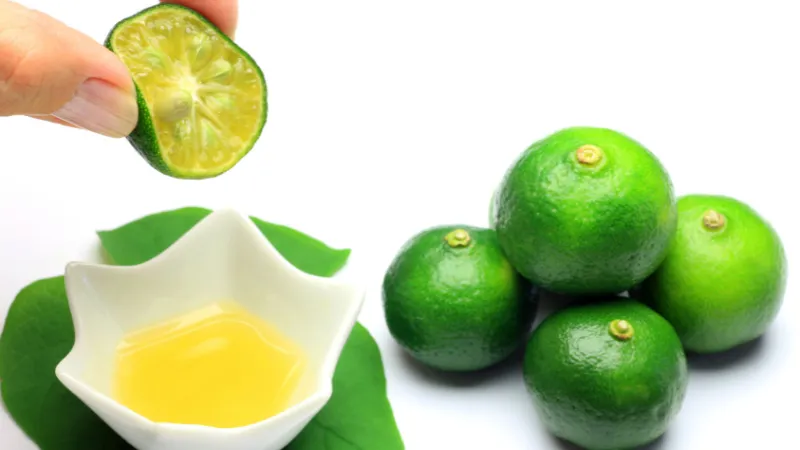
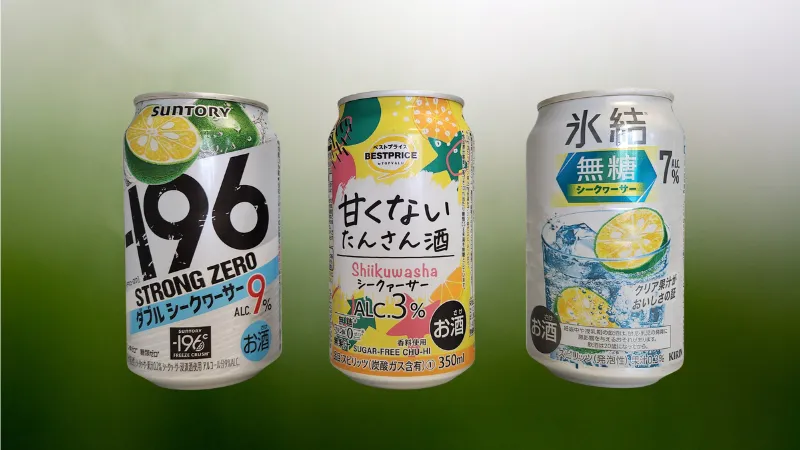
Shikuwasa is very present in local beverages. Its juice is used to flavor:
- fresh fruit juices or diluted with water
- sodas and refreshing beverages
- alcoholic drinks, notably Awamori or Shikuwasa flavored Shochu
Its natural acidity balances alcohol well and brings a lively and citrusy note that is highly appreciated.
Note on the use of shikuwasa juice
Shikuwasa juice is very acidic and, as part of a beverage, is never consumed pure.
In Okinawa, it is most often diluted with water, sparkling water, or mixed with other ingredients, both for drinks and for certain culinary preparations such as soups.
Used pure, it mainly serves as a condiment, added in very small quantities, as one would do with lemon or yuzu.
How to use shikuwasa in cooking?
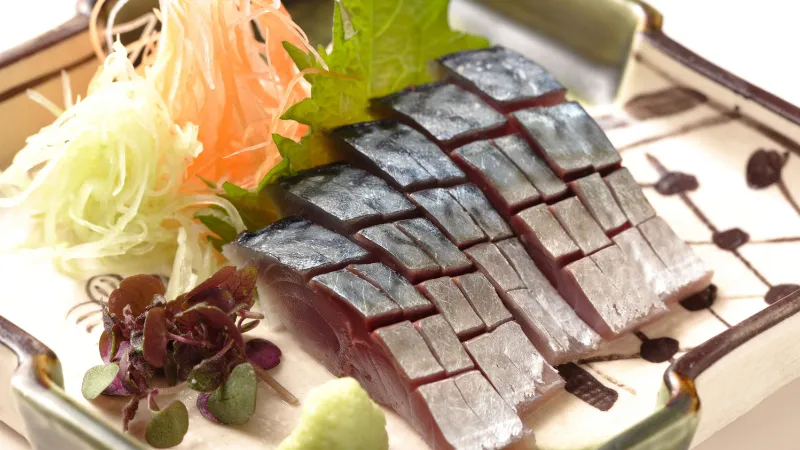
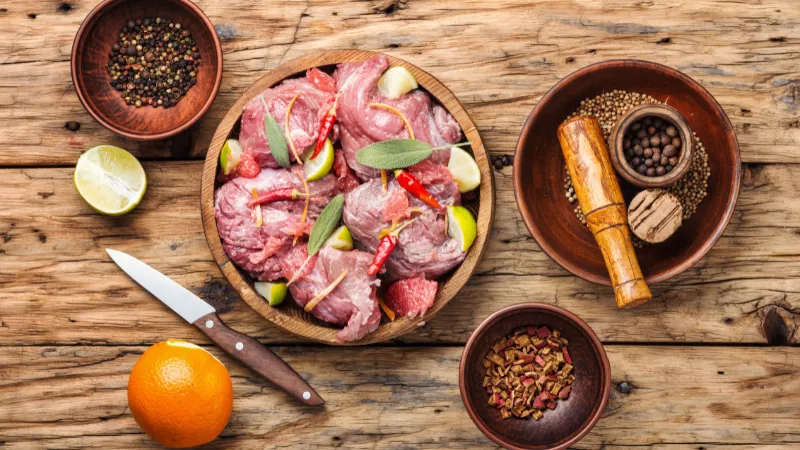
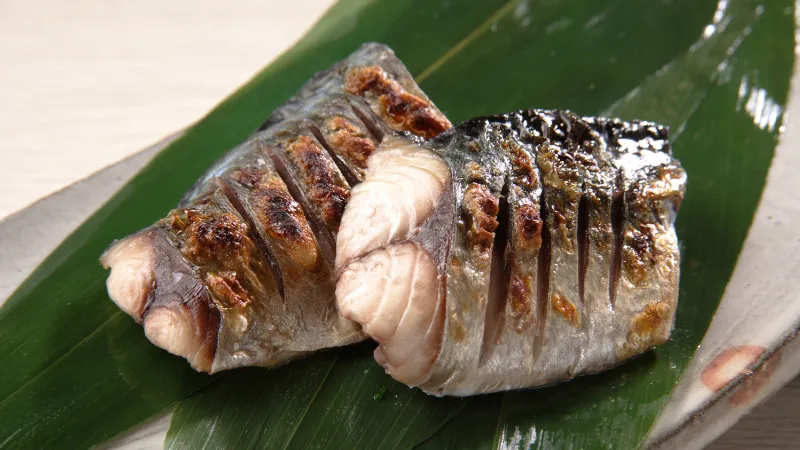
In cooking, Shikuwasa is mainly used as a seasoning. A few drops are enough to enhance a dish. It is often added:
- on grilled fish
- in soups and broths
- in light sauces
- on vegetables or simple everyday dishes
Its juice is rarely used in large quantities. It is mainly used to bring a fresh and aromatic finishing touch.
What does shikuwasa taste like?
The flavor of Shikuwasa is very acidic, more pronounced than that of a classic lemon, with a slight bitterness and an intense aroma that is more fruity and complex. Its strength lies in its high aromatic concentration. A small amount is enough, which makes it a powerful citrus fruit despite its small size.
Is shikuwasa peel edible?
The peel of Shikuwasa is perfectly edible. It is thin, green or yellow depending on its maturity, and rich in aromatic compounds. It can be used very finely grated to flavor certain dishes or desserts, provided it is untreated. Its zest is more bitter than that of other citrus fruits, which requires moderate use.
Is shikuwasa good for health?
Shikuwasa is recognized for its nutritional qualities. It notably contains:
- vitamin C
- polyphenols, including nobiletin
- natural antioxidants
These elements help to:
- support the immune system
- fight oxidative stress
- promote a balanced diet
In Okinawa, it is often associated with simple, natural cooking that respects ingredients, in line with a lifestyle focused on longevity.
A simple and everyday use
Shikuwasa is not reserved for sophisticated cooking. It easily fits into everyday recipes. Its use is based on simplicity. Added sparingly at the right moment, it is enough to transform a dish.
A recipe to discover on this blog
If you would like to discover a concrete use of this citrus fruit, find a cooking recipe on my blog:
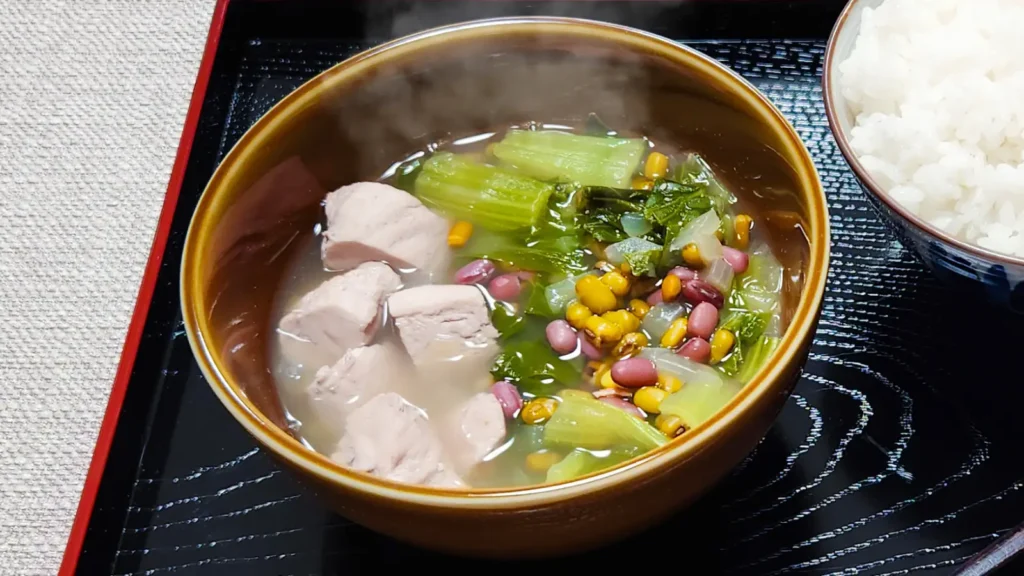
👉 Shikuwasa Chicken Soup, a simple and family style preparation where the acidity of Shikuwasa brings freshness and balance to the broth.
Japanese home cooking
Also on this blog, a section dedicated to Okinawan cuisine allows you to discover different preparations inspired by local uses, highlighting simple and authentic ingredients such as Shikuwasa.
For those who wish to follow all my recipes transcribed on this blog, my YouTube channel dedicated to Japanese and Okinawan cooking accompanies this content. The videos show concretely how to integrate these ingredients, through simple gestures and easy to follow steps, for a more lively and accessible approach to this cuisine.
FAQ – Shikuwasa at a glance
How to choose a Shikuwasa?
When green, Shikuwasa is firm, very acidic, and mainly used as a seasoning. As it ripens, it softens, turns yellow, and develops a slightly milder flavor, which allows it to be consumed as juice. Its level of maturity directly influences its use in cooking and beverages.
Is shikuwasa consumed in large quantities?
No. It is highly concentrated in aromas and is used in small quantities, often in drops or a light drizzle, in simple and balanced cooking. It is preferable to use it sparingly so as not to overpower other flavors.
How is it used daily in Okinawa?
It is spontaneously added to hot dishes, soups, fish, or vegetables, without a precise recipe, according to family habits. A few touches are enough to bring freshness and balance.
Is it similar to lemon?
Not really. Its taste and concentration differ from those of lemon. Shikuwasa is closer to yuzu, but with sharper acidity, more pronounced bitterness, and a more vegetal aroma. It is mainly used in savory dishes.
Is it associated with longevity in Okinawa?
Without being a miracle food, Shikuwasa is consumed as part of a simple traditional diet based on natural and minimally processed products, some of which are recognized for their richness in antioxidants.
How to store shikuwasa?
Shikuwasa can be kept for a few days at room temperature if consumed quickly. For longer storage, it is preferable to place it in the refrigerator, in the vegetable drawer. The juice should be kept refrigerated and protected from light.
Can it replace yuzu in cooking?
Yes. Its lively flavor is reminiscent of yuzu. Shikuwasa can replace it in cooking, and vice versa, provided they are used in small quantities and preferably added at the end of cooking to preserve their aromas.
Texts, images and videos © Japan Okinawa Daily Life
Copying, downloading and reuse prohibited without permission
